Author: Amy Boucher Pye

  • Life in the UK: A cup of tea

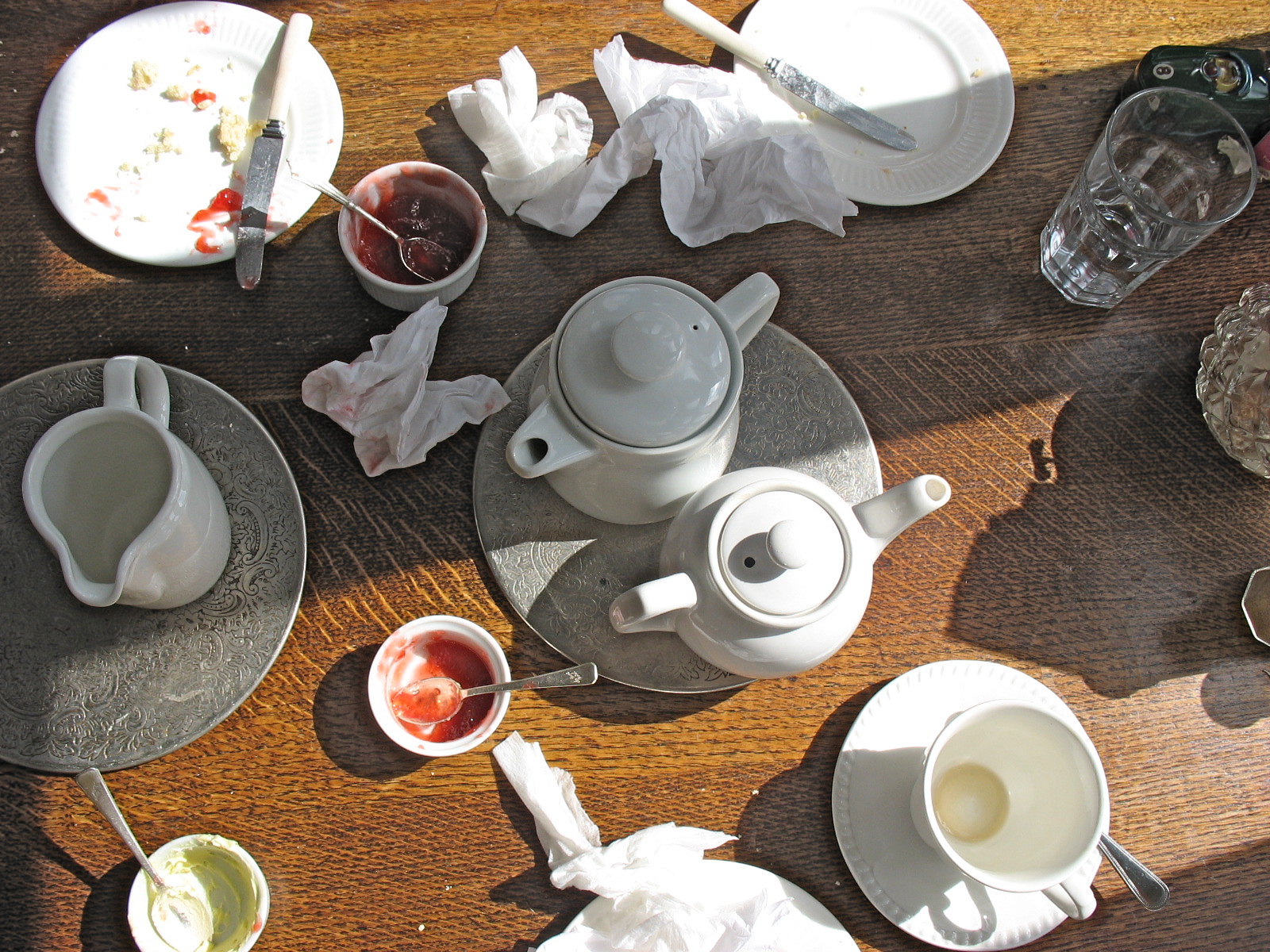
    My son started drinking tea when he was around three years old. Inconceivable to me that a son of mine would latch on to this drink when so young, but hey, we live in Britain. It remains his favo(u)rite drink; he must have a cuppa (decaf, natch) before going to bed, as well as when he comes home from school.

    IMG_3554The British obsession with tea remains, even if some of the younger, cool set aren’t addicted. “I’ll put the kettle on,” is a common declaration when one gets home, and I’ve heard of couples interrupting their fights for a cuppa. (I wonder if as they sipped, the conflict intensified, with each person stewing over what to say next, or whether the hot drink soothed them and calmed things down.) Tea is served after church, in homes, to the workers who install new floors or radiators, to friends and family.

    Americans drink tea too, but they are known for their love of coffee. Me? I’m not a huge hot-drinks person, although since moving here I drink one or two cups of tea a day. Chai, mind you, and a decaf after dinner. Coffee? Nope; haven’t learned to like it.

    Why is tea so rooted in the national consciousness in the UK? The weather is an obvious reason. When you’re living in a climate where the damp gets into your bones, and you can’t get warm no matter how many hot water bottles you strew across your body or how many layers you pile over you, a hot cup of tea spreads its warmth from within.

    Another reason is rooted in history. The mighty British Empire had tea at its disposal, having introduced it to India. This little island loves its independence, so it makes sense to consume a drink that differentiates it from the coffee-loving Continent. Of course, the rebel colony now called the USA loves coffee for similar reasons – we dumped over that tea in Boston and have never looked back.

    And another reason must be culture. Various upper class women are named as the creators of the practice of afternoon tea; the one I’ve heard most often is Queen Victoria herself, who felt peckish between the long hours of lunch and the evening meal, calling for a cup of tea around 4pm. But online searches say that  Anna Maria, the 7th Duchess of Bedford of Woburn Abbey in Bedfordshire, was the originator. It’s not surprising that the upper classes came up with this custom, for tea used to be wildly expensive. I’ve been through country houses where they proudly display the ornate wood boxes where the tea was stored, to which only the lady of the house had the key.

    I think I’ll go make a cup of tea.

    How about you? Whether Brit or American or other nationality, do you like tea? Why or why not? If so, how many cups a day do you drink? Do you have a drinks routine, from which life cannot go on if you aren’t able to adhere to it?

  • Devotional of the week: New clothes

    You were taught, with regard to your former way of life, to put off your old self, which is being corrupted by its deceitful desires; to be made new in the attitude of your minds; and to put on the new self, created to be like God in the true righteousness and holiness (Ephesians 4:22–24).

    383855472_512c98e947
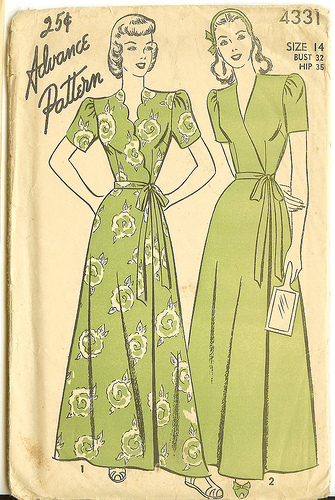
    Photo credit: robe pattern by peagreengirl as found on flickr

    I used to have a garment that I called my “traveling sweater.” For some reason I deigned it the best and most comfortable item of clothing to wear on an airplane. But after many a journey, instead of being white, it turned slightly grey and shapeless, sporting some holes. Still I loved it, so much that my mom and sister finally had to recommend that I retire my favorite travel companion.

    Putting off the old self and putting on the new can feel like leaving behind a familiar way of life. Even if the former way of life leads to pain, heartache, angst, anger, and destruction, we fear what we might encounter in the new. Will we have fun? Will we be fulfilled? What will I have to give up?

    But as we don our new clothes in Christ, our minds and hearts are made new. We begin to see how misshapen our old clothes were; how tight they felt and how we couldn’t breathe in them. The trousers, in fact, gave us indigestion. Whereas our new clothes not only reveal who we really are, but they enable us to soar in freedom, truth, and holiness.

    In what might be the clearest passage about the old and new selves, Paul points out three imperatives: put off our old self; be made new in our minds; put on the new self. Elsewhere he speaks of living “in Christ,” which gives us the power and strength to live out these imperatives. As we do so, we will be “created to be like God,” which hearkens back to the Genesis account of creation. Through our continued donning of the new self we can live as God intended, with right living and holiness.


    Prayer: Lord Jesus, help me to cast off any clothing of the past that I need to leave behind. Renew my mind that I might put on my new self.

  • Life in the UK: Plumbing the depths

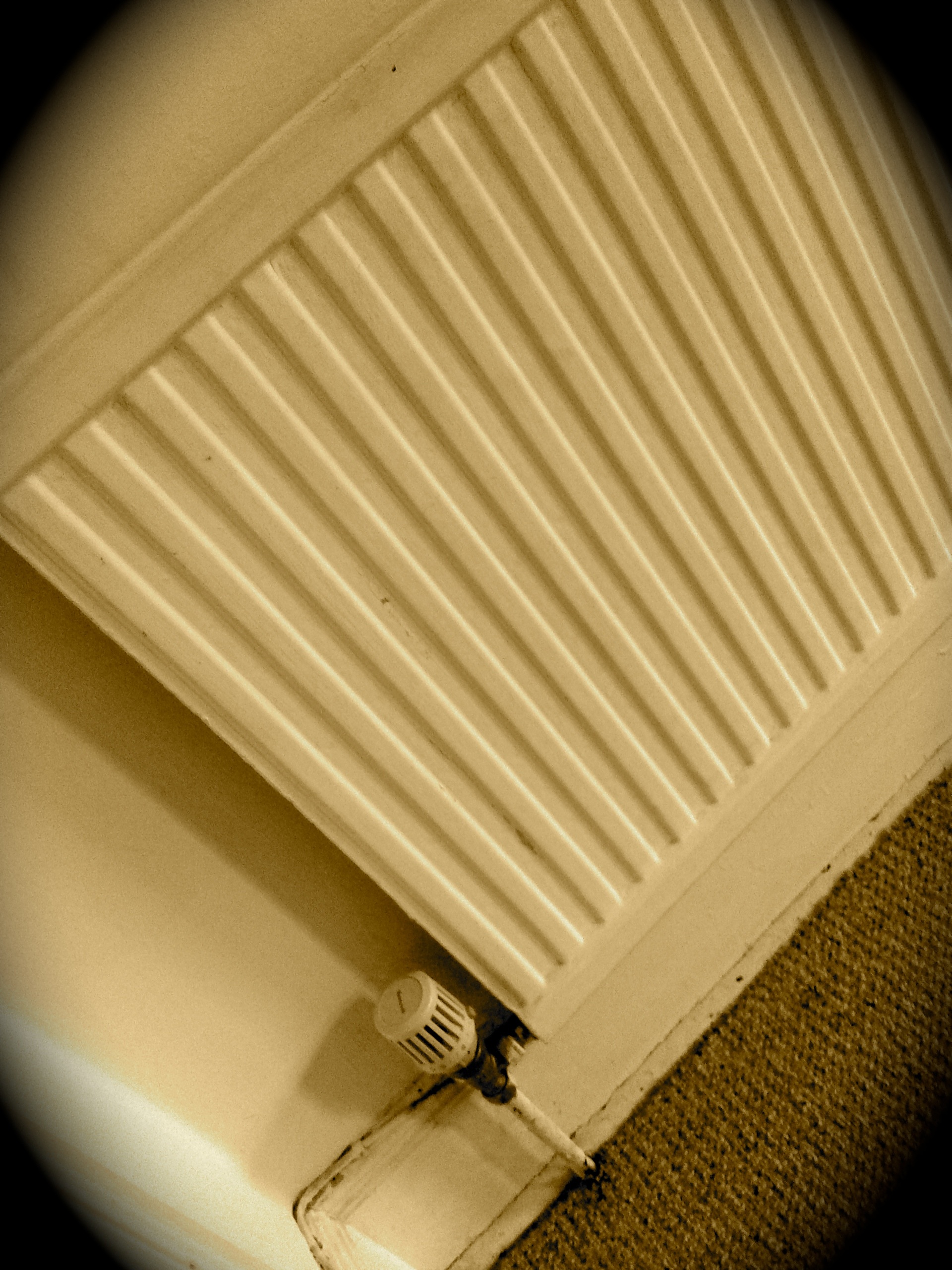
    A sentence I never thought I’d write: Yesterday my son got a new radiator.

    Growing up in Minnesota, I experienced a steady stream of heat in the winter. Hot air blown down the vents to my room in the basement. It was a few degrees cooler downstairs, but I didn’t mind. Bred in the North, heirs of northern Europeans, we were tough. And then I moved to Washington, DC, learned what the season Spring was with the delightful azaleas and dogwood blossoms, and lost some of my Midwestern steel. Yet the hot air kept blowing on me as I dwelled in another basement room, this time in a home with three other women.

    radiatorMy dreams for a Prince Charming came true but I didn’t realize that after the wedding, life in the UK would be so damp and cold. I had experienced cold, but never before the damp chill that sinks into your bones and refuses to leave. The kind that calls for endless cups of tea in the quest to get warm (not a consumer of hot drinks was I). But the honeymoon cushioned me, imparting to me a cozy flat in in Cambridge student accommodation, complete with a stunning power shower.

    And then to Surrey, and Nicholas’s first curacy. An American relative came to visit and squeaked, “Could you please put the heat on?” Nicholas wasn’t home and I didn’t know how to do it – heat came on twice a day, whether or not you needed it.

    Next to northwest London and single-glazed windows, with my vocabulary increasing even more (who knew to talk about glazings on windows!). One morning I asked the-Vicar-with-whom-I-sleep why the curtains in our bedroom were swaying back and forth. “Oh, that must be the draft.” But a shower had I, for Nicholas insisted that they install a power shower in the curate’s house. When the skilled church member showed me the fruits of his labors with pride, I swallowed my disappointment, burying the question bursting to come out: “That’s a power shower?”

    And onto north London, where we are now, with our lovely Victorian vicarage that slowly is becoming warmer each winter, thanks to Nicholas’s perseverance and the help of the diocese. Over the years, secondary glazing added to the windows. An extra layer of insulation in the loft (attic). Some new radiators downstairs. And yesterday, a new radiator for my son as we seek to get his room allergy-friendly. (I’m sorry to our eight former au pairs, who shivered in that room, that we didn’t get this done earlier.)

    Plumbing and heating. My gripes are first-world issues, I know. But how about you? Do you find joy in a shower that doesn’t qualify as an Irish mist, in which you need to jump around to get warm and wet? How cool is your house? How much tea do you consume?

  • Interview with Stormie Ormartian: The power of the written word

    A rerelease from Woman Alive, when I caught up with best-selling author Stormie Ormartian, who has impacted millions with her The Power of Praying books. Books have been profoundly important for her too… 
    Stormie 2Amy: I understand that three books were vital to your conversion, including the Gospel of John. What were they and how did they help set you free?

    Stormie Ormartian: The pastor who led me to the Lord knew which books I should read because they contained exactly what I needed to understand in order for my heart to be opened to the truth. He gave me the Gospel of John in a small book form which told me everything I needed to know as to who Jesus is and what He did for me and why I needed Him.

    The second book was The Screwtape Letters by C.S. Lewis, about the reality of evil and the enemy’s plan for our lives. It, too, was exactly what I need to read because I was involved with occult practices and new age religions that denied the reality of evil.

    The third book was on the Holy Spirit, and that book was discontinued around the same time that I received the Lord. I know this because I gave my copy to a friend when she couldn’t find it in the stores and they told her it was no longer available. I don’t recall the name of the book, but having no prior knowledge or understanding of the Holy Spirit, it was eye opening for me to know that when I received Jesus the Holy Spirit would come to dwell in me and change me from the inside out. I wrote my book Lead Me, Holy Spirit on that very subject because I could not find one that talked specifically about how the Holy Spirit leads and transforms us. When I read those three books I had never heard any of that before and I knew what I was reading was the truth.

    After I read the books, my pastor asked me if I wanted to receive Jesus and I told him yes. Right away, I noticed a difference in my life. I had a feeling of peace, of being accepted, of being cleansed from all my past failure, of starting over with a clean slate. And I felt love, joy, and hope for the first time. I also had a growing sense of purpose, and I began to see a future for my life. As I grew in God’s Word, I learned to walk in His way. I became better able to make right choices. And with the Holy Spirit’s leading and enablement, I could resist falling back into old habits of doing things that were not God’s will for my life. As I moved into the deliverance and freedom He had for me, I gradually became free from depression, anxiety, and fear.


    Amy: The Power of a Praying Wife has been a bestseller for ten amazing years. How was the experience of writing that book? Did you ever think it would make such an impact for God’s glory?

    Stormie: I never dreamed when I was writing The Power of a Praying Wife that it would have the impact, sales, longevity, and life-transforming effect that it has had. Talk about the Lord having more for us than we can even think or imagine. I never imagined all this. When the book went number one on the bestseller list I called the president of Harvest House Publishing to thank him for all the hard work the company had done to make that happen and he immediately said, “We didn’t make that happen. No one can. Only God can do that.”

    It was a hard book to write because I had to share details about my marriage that I didn’t know if my husband was going to agree to. When he read it he asked me if I had to include the part about his anger. I said yes because that was the biggest issue in our marriage. I couldn’t pretend that it wasn’t. I was not writing a book about how to make a perfect marriage more perfect. Where would my credibility be if I left out the greatest struggle we had. And to his credit he willingly gave the okay to leave everything in as I wrote it.

    What amazed me about the book was although I knew that this way of praying worked for me, I was concerned about whether it would work for other women. That’s because it is a sacrifice on the wife’s part and I wasn’t certain that many women would be willing to make that sacrifice. But I was thrilled to see how they took to it immediately and were so willing to do whatever it took to make their marriages better and lasting. I thank God for all those precious women.

    Stormie Small (2)


    Amy: I’m assuming your painful childhood wasn’t conducive to much reading; is that right? Do you have any childhood favorites in terms of books, or those you read to your children?

    Stormie: I don’t remember being read to much as a young child, except for the Cinderella story. But when I started school I was extremely eager to learn how to read. And once I could read books on my own I never stopped reading every book I could get my hands on. My favorites were fairy tales, which I read one after another. I loved them. I lived in them. In fact, fiction became my way of escape from the sadness of my life, even on into adult years. After I came to the Lord, all I wanted was the truth. So I read only non-fiction from then on and started writing non-fiction books as well.

    I read to my children from the time they could sit up on my lap and be interested in the pictures. I read them every book I thought was appropriate for their age. Two of their favorites were The Little Engine that Could and Winnie the Pooh as well as little Bible stories that were just right for their ages. I read to them nearly every day of their childhood and they would always pick the books they wanted to hear. After they were skilled enough to read on their own they would have a quiet time with their books, reading some of them over and over again.


    Amy: Have you ever considered writing fiction?

    Stormie: I have been asked to write fiction from different companies and I haven’t done it yet because I have had so many non-fiction books on my heart that I had to get them written first. And I do love writing dialogue and description and telling a story. But I also love true stories like I wrote in The Miracle of Christmas about the birth of Christ. I have been praying about writing fiction in the future, so I am curious to see how the Lord leads me on this.


    Amy: Imagine you’re going on an upcoming journey and your only activity can be reading. What books would you read?

    Stormie: I don’t have to do much imagining about that because I am leaving on a much needed vacation with my husband for a week. And my absolute favorite activity is reading. I love books. I love to read. So I am planning what books I am going to take. I like autobiographies and biographies of political figures or great men or women of history, and books that help me to better understand the Bible. I also enjoy books on healthy living, especially the newest discoveries about how to eat right and take care of our bodies. I am allowing myself one hardback, one paperback, and a couple of books on my Kindle. I love the feel of a book, but I can take more if I put one or two on the Kindle as well.
  • Devotional of the week: An eternal perspective

    For we know that if the earthly tent we live in is destroyed, we have a building from God, an eternal house in heaven, not built by human hands. Meanwhile we groan, longing to be clothed instead with our heavenly dwelling, because when we are clothed, we will not be found naked. For while we are in this tent, we groan and are burdened, because we do not wish to be unclothed but to be clothed instead with our heavenly dwelling, so that what is mortal may be swallowed up by life. Now the one who has fashioned us for this very purpose is God, who has given us the Spirit as a deposit, guaranteeing what is to come (2 Corinthians 5:1-5)

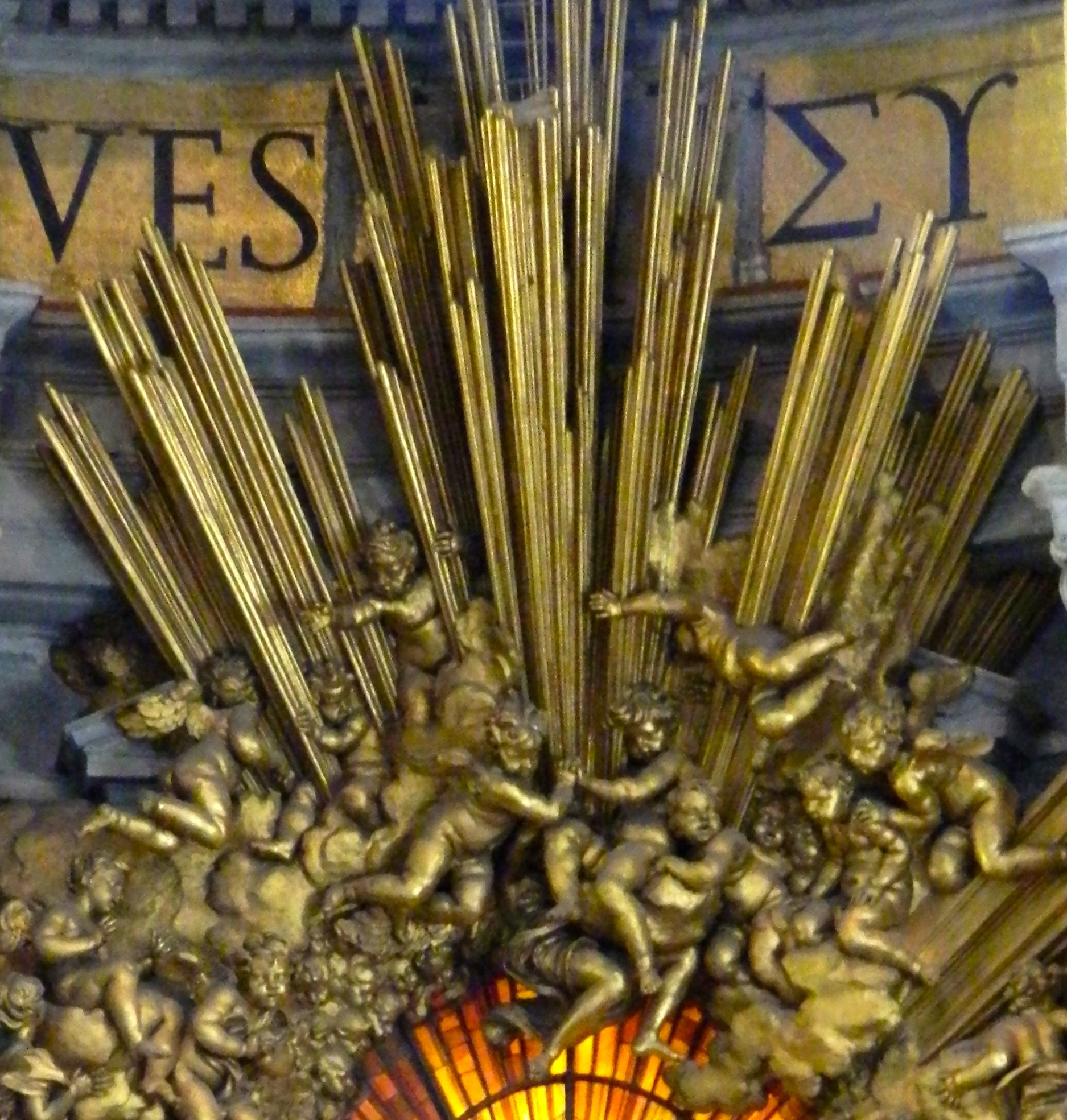
    A taste of heaven, from the altar at St. Peter's Basilica.
    A taste of heaven, from the altar at St. Peter’s Basilica.

    A couple of years ago, I ended our Christmas missive with a reflection on the fragility of life, for one close to us was killed in a car accident. I didn’t know that as I composed the letter, a beloved older friend was near death, having suffered a stroke. We often live in a state of denial, but for everyone, one day our earthly tent will be destroyed.

    Yet Paul here speaks to the Corinthians about longing for his heavenly dwelling, which God the Builder and Architect has created and which moths and rust will not destroy. It’s another variation of the already-not yet which we spoke of in previous weeks. We mentioned how we have been redeemed but are not yet completely sanctified; here we note that we groan on earth as we anticipate the wonders of heaven. Namely our rich communion with God.

    I love how Paul reverses the wisdom of the world with his phrase, “swallowed up by life” (in contrast to death being the great swallower). All the remnants of our old self – the mortal – will be swallowed up by the true and everlasting light and life in our heavenly dwelling. We will no longer be naked and ashamed, but clothed in a better outfit than we ever could have dreamed of.


    Prayer: Lord God, help me to live with an eternal perspective today, remembering that people and your word will be all that remains eternally. Plant in me the hope of heaven, which you promise will not disappoint.

  • Some speaking this Spring

    I’m excited to have some opportunities this Spring for speaking; it’s an experience I liken to strapping on roller skates – scary at first, but exhilarating as I take off, the wind whipping through my hair. Might you be able to join me, or share the info with others?


    Adventures in Prayer: 29 March in Coventry

    Adventures in Prayer - PosterCorrection – not the 31st, like I said earlier! Sorry!

    One of the active members of the Woman Alive Book Club is hosting this day of us adventuring in prayer together. We’ll engage with various ways of praying, not only discussing them but putting them into practice, including:

    • Lectio divina (praying with the Bible),
    • practicing the presence of God,
    • praying at the cross, and
    • listening prayer.

    Prayer becomes an adventure when God shows up – which he promises to do!


    Beloved: Rooting Our Identity as Women of God

    5-9 May, at El Palmeral near Alicante in Spain

    DSCN8150A retreat for women, exploring our identity in Christ. What does it mean to be God’s beloved? How can we shed the false names of the “old self” that we may have adopted – worthless, controlling, fearful, worrier – and embrace the new name that God wants to bestow on us? He calls us chosen, precious, loving, gentle, wanted… but do we believe him?

    In our time together we’ll be exploring the spiritual practices that will help us live as the new creation that the Apostle Paul speaks of. As we learn to forgive ourselves and others, and to hear God, we can move into freedom and release.

    This retreat house in Spain is not to be missed. It’s a combination of a retreat and a holiday – warming sunshine, amazing food and conversation, a pool to lounge by… combined with God’s sweet presence as we meet together in the mornings. I’ve blogged about El Palmeral here.

    Restore your Confidence: A day conference for women

    14 May in at CRE Sandown in Esher

     Woman Alive and BRF will host the fourth annual women’s day at CRE, at which I’ve had the privilege of speaking previously. It’s a wonderfully encouraging day with a great roster of speakers:

    Jennifer Rees Larcombe, who runs the charity Beauty From Ashes, from The House of Prayer, will explore what might rob us of our confidence in God: unanswered prayer, disappointment with ourselves, misunderstanding the character of God… and how we can restore our confidence and relationship with him.

    Writer, speaker, editor and vicar’s wife Amy Boucher Pye tackles restoring our confidence in the Church. If it is the body of Christ, why does it sometimes seem to ooze with disease? How should we handle disagreements and can our wounds be healed?

    Bex Lewis from the Centre for Christian Communication in a Digitial Age looks at restoring our confidence in the truths we believe. How can we live out and share the good news in a society that seems to move further and further away from Christian principles?

    Catherine Butcher, writer, editor and currently heading the communications for HOPE will unpack the promise of heaven and explain how we can be heavenly ambassadors, spreading hope and giving those around us a taste of heaven.

    PLUS, Ali Herbert will be our host for the day and Sue Mills returns to lead the worship times.


    It’s free, but you need to register soon, as the 300 places were claimed about six weeks before last year’s event.


  • Devotional of the week: Slaves to righteousness

    But thanks be to God that, though you used to be slaves to sin, you have come to obey from your heart the pattern of teaching that has now claimed your allegiance. You have been set free from sin and have become slaves to righteousness. I am using an example from everyday life because of your human limitations. Just as you used to offer yourselves as slaves to impurity and to ever-increasing wickedness, so now offer yourselves as slaves to righteousness leading to holiness… But now that you have been set free from sin and have become slaves of God, the benefit you reap leads to holiness, and the result is eternal life. (Romans 6:17–20, 22)

    Photo credit: Eagle by HooLengSiong on Flikr
    Photo credit: Eagle by HooLengSiong on Flikr

    The theme of leaving behind the old self and embracing the new shines through the letters of the apostle Paul. Of course this follows from his dramatic conversion. For one moment he was persecuting Christians to the point of death while the next he was rendered blind as Jesus revealed himself to him, changing his life (and the world) forever.

    But as we see in today’s passage, the new life doesn’t happen automatically. One’s will needs to be involved and committed. Paul employs the example of slavery, showing how we need to offer ourselves – our minds, hearts, emotions, actions – to right living before God. This then produces purity, holiness, and eternal life.

    I recently heard an illustration that warns against our temptation to entertain sin. An eagle sees a fresh carcass floating on some ice, but moving toward a waterfall. The ice provides the eagle a place to land and from which to pick at the carcass. As the waterfall approaches, the eagle sneaks in just a few more bites. But when it tries to lift off, it finds its claws are frozen into the ice and falls to its death.

    No, I’m not suggesting we are heading for that waterfall! For as Paul says, because we have become slaves to God, we will have eternal life. But the eagle can be a vivid cautionary tale against living out of the old self.

    For reflection: “Therefore, if anyone is in Christ, the new creation has come: The old has gone, the new is here!” (2 Corinthians 5:17).

  • Devotional of the week: Born again

    “How can someone be born when they are old?” Nicodemus asked. “Surely they cannot enter a second time into their mother’s womb to be born!” Jesus answered, “Very truly I tell you, no one can enter the kingdom of God unless they are born of water and the Spirit. Flesh gives birth to flesh, but the Spirit gives birth to spirit. You should not be surprised at my saying, “You must be born again.” The wind blows wherever it pleases. You hear its sound, but you cannot tell where it comes from or where it is going. So it is with everyone born of the Spirit” (John 3:4–8).

    Photo credit: Waiting for the Word, found on flikr
    Photo credit: Waiting for the Word, found on flikr


    An older friend of mine speaks freely of being “born again” to those whom she meets – shop assistants, taxi drivers, professional contacts. Part of me cringes as she employs this language, for the term has fallen out of fashion. It’s even become tainted, bringing up images of over-zealous fundamentalist Christians shouting, “Ye must be born again”!

    But I shouldn’t be embarrassed, for the source of the words is Jesus. When Nicodemus, a Pharisee who was on the Jewish ruling council, conversed with Jesus, he seems to be taking Jesus literally and not understanding the role of the Spirit in birthing a new person. We might not be able to see the Spirit physically, as perhaps Nicodemus was trying to do, but we will witness its evidence in our lives and in the lives of others – as with the wind blowing through the trees.

    John doesn’t tell us here if Nicodemus was born of the Spirit (later we learn that he joined Joseph of Arimathea to bury Jesus’ body so we can guess that his earlier encounter brought life). Instead John moves on to some of the most famous verses in the Bible, about God so loving the world that he gave his one and only Son (John 3:16)… Our new birth comes from the transforming work of God through Jesus on the cross, that we might escape condemnation and enter the light.

    Prayer: Heavenly Father, we don’t fully understand how your Spirit works in our lives. Reveal to us your transforming nature, that we might know and believe.

  • Interview with Sheila Walsh – Seeing the face of God through the window of our brokenness

    In honor of Sheila Walsh’s new book releasing this week, The Storm Inside, here’s an interview previously published in Woman Alive with this speaker and writer who powerfully communicates the truths of the Bible in a grace-filled way.

    Sheila WalshYou’re a Scot who has lived in the States for something like 25 years. Do you ever get homesick for Scotland? If so, do you reach for any favorite Scottish authors?

    I do miss Scotland. I miss Marks and Spencer’s Christmas cake and good chocolate but most of all I miss my family so I try and get home as often as I can. I also miss London as I spent so many years there. I love the poems of Robert Burns and the writings of Thomas Hardy.


    My young daughter adores Gigi [the main character in Sheila’s books and videos for young girls]. Recently she said that these were her favorite books, and as someone who works in publishing, I have stacks and stacks of books for her to choose from. I’m also slightly embarrassed to admit that CutiePyeGirl is a blonde who usually doesn’t go for brunettes – she prefers Cinderella to Snow White, and so on. But [brown-haired] Gigi speaks to her. How did you come up with the idea of Gigi – and Will? What’s behind the stories?

    One morning when my son, Christian was five and I was dropping him off at kindergarten I watched a dad with his daughter. She was not what we think of as the traditional Disney Princess. She had bruises on her knees and her hair looked a little wild but her daddy took her face in his hands and told her she was beautiful and she believed him. I lost my dad when I was five and never saw myself as anything but awkward and clumsy. After watching that dad with his daughter I drove straight to Starbucks and wrote the first Gigi story on napkins. I want every little girl to know that she is precious and treasured by God.


    What’s behind your book God Loves Broken People?

    I have spent so much of my life trying to “fix” myself, to make myself more acceptable to God. It seems to me now that it’s when we realize that we can’t fix ourselves, that we are broken and lost without Christ that we begin to understand the heart of the gospel. I passionately believe that it is through the window of our brokenness that we see the face of God.


    Tell us about how you engage with your favorite commentaries when you’re writing or teaching about the Bible.

    One of my favourite things in the world to do is to take a passage of scripture and dig deep. I use Logos software on my computer, which gives me access to a whole theological library. I can choose a passage and read what my 5 favourite commentaries say then do a word study to unpack a word in Hebrew or Greek. The more I dive into God’s Word the more there is to know. It’s as C. S. Lewis wrote, “It’s as if we are children splashing around in a puddle when God has said, come swim in the ocean.”


    Escape with any novels in the bath?

    That’s a funny thought to me! I love having a bath at night but that’s when I love to be quiet and reflect on the day with the Lord. Every morning when I get up I always say, “Good morning Lord, I don’t know where you are going today but wherever you’re going, I’m coming with you.” At the end of the day I love to reflect on that.


    As a dog-lover do you enjoy books about dogs? Prefer the real thing instead?

    I think I have read everything James Herriot has written! One of my favorite books is the story of “Greyfriars Bobby” a little dog who refused to leave his master’s grave. My dog Belle is just like that. Wherever I am, there she is.


    Have you ever thrown a book across the room in disgust?

    I never knew that was an option! I’m pretty careful about what I read but will now by looking for opportunities to do just that :).


    Sheila Walsh is a powerful Bible teacher and best-selling author from Scotland with over 4 million books sold. Currently completing her Masters in Theology, Sheila lives in Texas with her husband, Barry, her son, Christian, and her two little dogs, Belle and Tink.


  • Praying about the weather – yes or no?

    Rain. More rain. Here in the UK we’ve just had the wettest January since records started in 1910, and as I sit, I watch it rain even more. Communities are sodden in Somerset; in Devon, the tide has washed away the rail track.

    Our water stores are full. The drought of two years ago, with its hosepipe bans (hosepipe – as an American I find that word delightful and quirky) and fears of wildfires, seems a long time ago. As I took the train from London to Oxford last week I saw swollen rivers and sitting water. We’ve been drenched.

    After the rain - Holy Island  Causeway
    After the rain – Holy Island Causeway

    Even the tabloid newspaper, The Sun, has called for a prayer campaign to stop the rain, saying: “Lord, we’ve had enough.” They published a prayer to the patron saint of weather, St Medard, by Revd Sue Evans, Vicar of St Medard, Little Bytham, Linconshire:

    Heavenly Father, we are grateful for the gift of water, and in many parts of the world we know people suffer and die for lack of rain.

    But dear Lord – we’ve had enough. We ask you please that the rain may stop soon. We pray for all those people and animals suffering from floods.

    As St Medard needed protection from the rain, so now do many people from our land.

    For Jesus’ sake, Amen.

    Do you pray about the weather? Inspired by Agnes Sanford, a pioneer of the healing-prayer ministry, I do. When I edited Leanne Payne’s wonderful spiritual autobiography, Heaven’s Calling, I learned more about Agnes, for Leanne knew her well.

    Stirred to pray for the healing of the earth, Agnes moved from New England to California, to live on the San Andreas Fault and pray for its healing. She reveled in nature, marveling at a the genetic makeup of a seashell or speaking lovingly to a rattlesnake that lived in her back garden, but respected her boundaries. When once Leanne visited Agnes and they were praying in the garden, she remembered the rattlesnake story and said, “I am definitely not where you are in regards to your snake.” But Agnes put her at her ease, and they weren’t troubled by the rattlesnake – or the forest fire that was below them (about which Agnes prayed for rain, like Elijah, and it came!). These stories are all in Heaven’s Calling, page 252–57, which I highly recommend.

    I’m aware this might be outside your comfort zone! But if God is the Creator, and he made us to communicate with him, why wouldn’t he want us to pray for the healing of his earth?

    What do you think?