Author: Amy Boucher Pye

  • Weekly devotional: A plentiful harvest (7 in Jesus’ miracles series)

    5733184848_405ac30c9f_zJesus went through all the towns and villages, teaching in their synagogues, proclaiming the good news of the kingdom and healing every disease and sickness. When he saw the crowds, he had compassion on them, because they were harassed and helpless, like sheep without a shepherd. Then he said to his disciples, “The harvest is plentiful but the workers are few. Ask the Lord of the harvest, therefore, to send out workers into his harvest field.” (Matthew 9:35–38)

    This week in our text we aren’t focusing on one particular miracle, as in past weeks, but rather we’ll look at one of the broad statements about Jesus’ ministry. As we see in Matthew’s gospel, he has come to teach, proclaim, and heal, his ministry fueled by his great compassion on the crowds who clamor to hear him speak and to receive his healing touch. The word in the Greek for compassion indicates a deep feeling in the gut, so strongly does Jesus feel for his people.

    Jesus longs to be their shepherd, a common picture in the Old Testament of God to his people. In doing so Jesus will provide protection and sustenance, meeting their voiced and unvoiced needs. He then changes the metaphor to another familiar one from the Hebrew Scriptures, telling his disciples that the harvest is ripe but more workers are needed.

    What is our role? One is prayer – “ask the Lord of the harvest.” So often we put prayer low on our list of priorities, sometimes by default due to the busyness of life. But for some amazing and mysterious reason, God wants to hear us cry out to him, and he acts on those prayers. As Lord Alfred Tennyson said, “More things are wrought by prayer than this world dreams of.”

    What would intentional prayer look like for you this week? Is someone coming to mind even as you read this, for whom you should pray and perhaps fast? Maybe you could turn on a timer to signal the hours, then pause for a moment and pray for that person. God delights in the cries of his people, however we choose to make them.

    For reflection: “Preach the Gospel always, and if necessary, use words.” St. Francis of Assisi

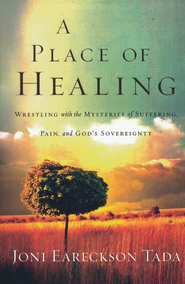
  • Review – A Place of Healing by Joni Eareckson Tada

    765320_w185When Joni was seventeen, she became paralyzed after a diving accident. The story of her accident and recovery became a bestselling book and film in the eighties, and she has been a disability advocate for decades. She has also written over thirty-five books, the latest of which concerns healing.

    Why does God heal? Why not? Will he heal if we have enough faith? This latter question is one that has been put to Joni by well-intentioned but misguided people, who have told her that she simply needs more faith to be healed. Her response is gracious but unwavering: “God reserves the right to heal or not … as He sees fit” (p. 41).

    Healing is something that Joni desperately longs for – although the healing that she has sought in recent years is freedom from chronic pain, and not so much a miraculous return to able-bodied movement. The pain can be unrelenting; for example, it can take over two hours each morning to get her stiffened body ready for the day. Here is one who writes with authority; healing is not an academic subject to her.

    She always points us back to God and his deep love for us. We don’t understand why he heals some and doesn’t heal others, but it’s up to him. I agree with her that God allowed and permitted her accident, but I struggle to affirm that “it was all planned long ago, and God brought it about in His perfect faithfulness” (p. 197). God allowed the accident, but is she here saying that he caused it (because he planned it)? On this side of heaven I don’t think any of us will decipher the mystery between what God allows and what he wills, so here I am content to take a slightly different position than Joni.

    Having endured forty years in a wheelchair, and now chronic pain and breast cancer, Joni is a trustworthy guide into the hard questions about healing. As she says, “Sharing about suffering is like giving a blood transfusion … infusing powerful, life-transforming truths into the spiritual veins of another.” Joni does this through her hard-fought words, penned during a battle with pain and weariness that not many of us will have to suffer. Through it all, she points to God’s sufficient love and grace, showing how God can redeem our pain. “But the beauty of being stripped down to the basics, sandblasted until we reach a place where we feel empty and helpless, is that God can fill us up with Himself. When pride and pettiness have been removed, God can fill us with ‘Christ in you, the hope of glory’” (p. 87).

    One to read and re-read, and to recommend to those dealing with suffering and pain.

    A Place of Healing: Wrestling with the Mysteries of Suffering, Pain, and God’s Sovereignty b;y Joni Eareckson Tada (David C Cook, ISBN978-1434702067)


  • Weekly devotional: Hope for the desperate (6 in Jesus’ miracles series)

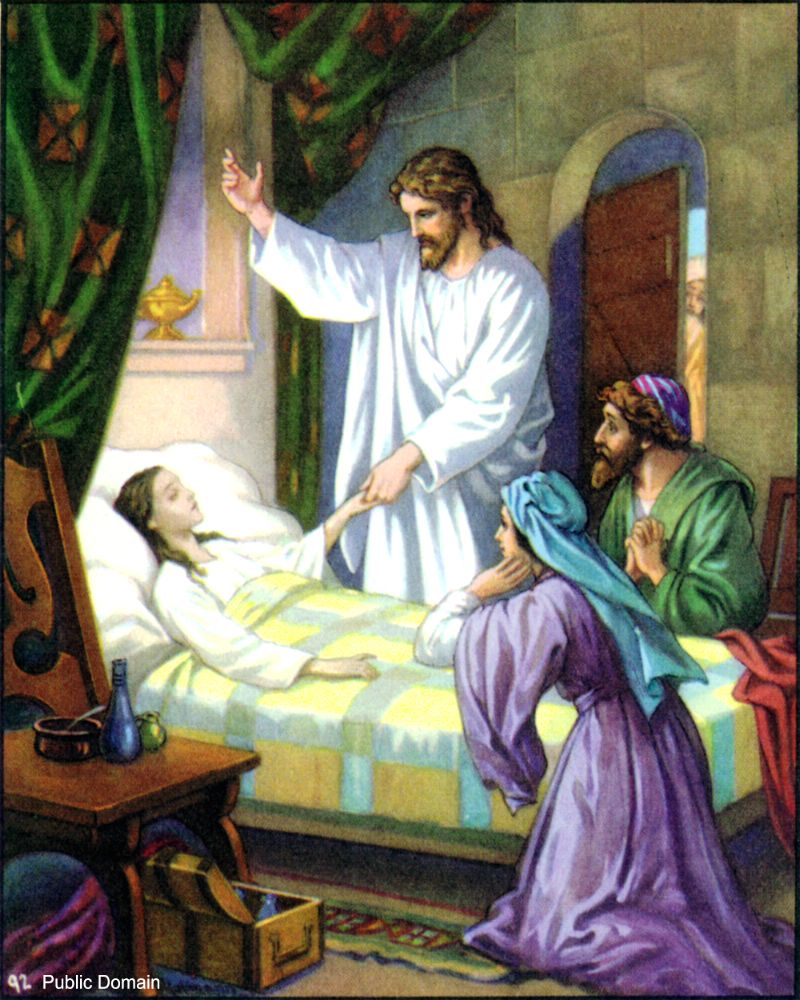
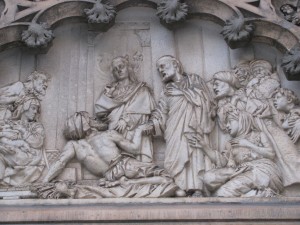
    A synagogue leader came and knelt before him and said, “My daughter has just died. But come and put your hand on her, and she will live.” Jesus got up and went with him, and so did his disciples. Just then a woman who had been subject to bleeding for twelve years came up behind him and touched the edge of his cloak. She said to herself, “If I only touch his cloak, I will be healed.” Jesus turned and saw her. “Take heart, daughter,” he said, “your faith has healed you.” And the woman was healed from that moment. When Jesus entered the synagogue leader’s house and saw the noisy crowd and people playing pipes, he said, “Go away. The girl is not dead but asleep.” But they laughed at him. After the crowd had been put outside, he went in and took the girl by the hand, and she got up (Matthew 9:18–25).

    Photo: pcstratman on flickr
    Photo: pcstratman on flickr

    Utterly desperate, a leader in the synagogue approaches Jesus for help because his daughter has died. Jesus agrees to go to his house, and as they do so a woman touches the hem of Jesus’ cloak, believing that her nonstop bleeding will stop. Jesus responds with compassion: the woman is healed; the girl was only asleep.

    Both situations were desperate. Jarius has tried everything but his daughter still died. But he holds out hope that this miracle man can save her. So too the woman who has been bleeding for a dozen years. That’s twelve years of being an outcast from her community, for the bleeding made her unclean. She had tried every type of medical cure available, to no avail.

    Jesus has compassion on those at the margins of society. He doesn’t penalize them for coming to him as a last resort but responds quickly and powerfully. His actions signal a new kingdom, one in which grace upon grace is poured on God’s children – all of God’s children, whether women, little girls, the blind or leprous, or the elite of society. May we enter into this grace this day.

    Prayer: Lord Jesus, help me to see those who might feel ostracized or lonely, and let me be your agent of love and grace.

  • Welcoming angels unaware

    Will you open your home and heart?

    Hospitality is one of those sometimes messy Christian practices. When we welcome people into our lives, the smells from bodily functions might hang around in the air. Muddy footprints might mar our floors. We might drop our masks, revealing times of irritation or stress.

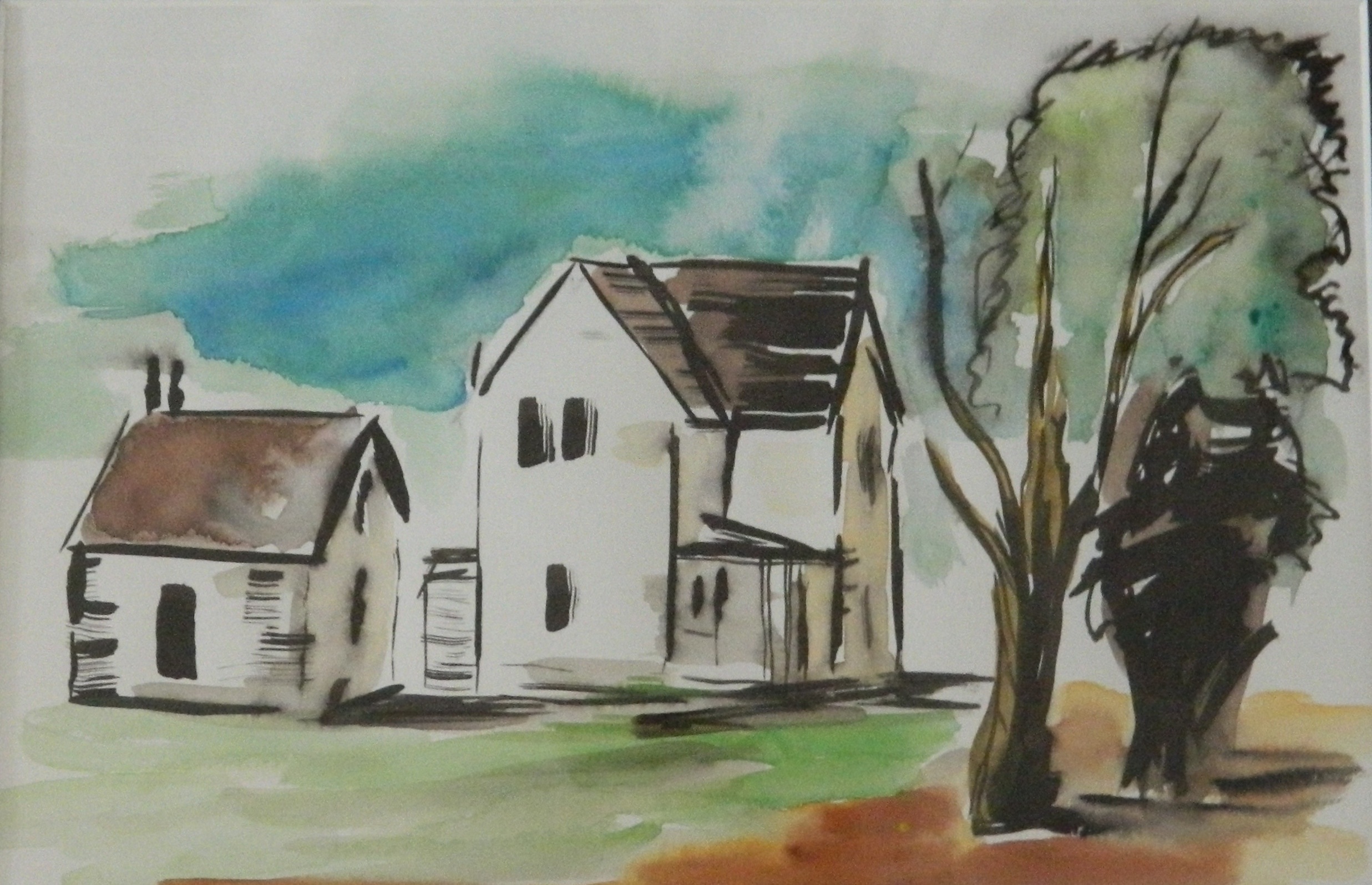
    Original watercolor by Leo Boucher.
    Original watercolor by Leo Boucher.

    But we’re saying come, we welcome you. We want to provide you a haven of rest; a place to close the room to your door when you need to; a space to converse and share.

    My husband and I are not perfect hosts by any means, but throughout our ten years in our vicarage, we’ve tried to be open and say yes when asked. It’s only in the last year or so that we have not had either a family member or an au pair living with us; that was a particular season of sharing and molding and learning. This summer seems a unique time of welcoming traveling Americans – every weekend, a new set, each with their own gifts and riches.

    A few practical tips:

    • Create a guide to your house. I got this idea from a throwaway line in Packing Light, a wonderful memoir about a woman who travels around the 50 states. In our guide we tell our guests about things like the wonky shower curtain (yes, it will fall on you if you’re not careful) and give them the wifi code. This also can be a repository of tourist information (especially if you live in a world-class city like London).
    • Have in mind a few go-to meals. Our crock pot (slow cooker) has transformed our cooking, helping us to make easy and healthy meals. Cooking a whole chicken, for example, is now painless.
    • Treasure your guest book. Our only requirement when people come to stay with us is that they sign our guest book. We love looking back over the entries, which evoke memories of the gourmet meal cooked for us by one or the Pimms we shared with another.
    • Remember that they’ve come to see you (or your city), and that your house doesn’t have to be perfect. Having been raised in a very tidy home, I find this a struggle. But the visitors this summer will see by our various clutter-spots my “progress” in being able to welcome people even when there is some mess.

    What tips would you add?

    Washing machines at the ready, here we go!

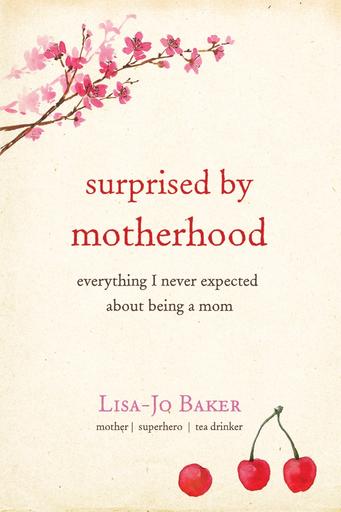
  • Review – sensitive memoir on mothering

    In my years of running the Woman Alive book club, I’ve shied away from books on mothers, knowing that it can be a painful subject. But (writing to women here) whether or not we are mothers, we are all daughters (and yes, I know that too can be wrought with pain); not least, we’re daughters of the King. And this Father loves us mind-blowingly and unendingly.

    Motherhood CoverSo this spring in the book club I highlighted a sensitively written memoir that doesn’t fit the usual book on mothering – those “how to be the perfect mother in five easy steps” kind of books. Rather this story traces the author’s healing from the negative vows she made as a young woman when members of her fundamentalist church told her that the only reason for being a woman was to procreate. To be a mother. She, bereft of a mother, vowed never to become one.

    But she married and slowly, slowly, the love of her man and her God softened her heart and opened her up to life. Three children later, she shares the journey from her childhood home in South Africa to their posting in Ukraine and finally to the Midwest and East Coast of America, where they landed as a family.

    Lisa-Jo weaves her memories of growing up in the stark beauty of South Africa with the experiences of raising feisty boys and then a girl who helped her reconcile her feelings about being a daughter, and a mother. She writes as a citizen of the world; this is not an insular or American-centred book. So much of it is thought-provoking and moving. For instance, I loved learning about her prayer project with her mother-in-law about how to parent a child with a strong temper. She writes of her mother-in-law: “She reminded me that children are born of the Spirit as much as their parents’ DNA, and perhaps that’s where we should focus” (p.124).

    Does mothering make you want to celebrate? Leave you with unresolved feelings? Whatever your reaction, we can ask the Lord to set us in a place of life and fruitfulness while praying for those mothers close to us, whether by geography or heartstrings.

  • Weekly devotional: Forgiveness of sins (5 in Jesus’ miracles series)

    Photo: edenpictures on flickr
    Photo: edenpictures on flickr

    Jesus stepped into a boat, crossed over and came to his own town. Some men brought to him a paralyzed man, lying on a mat. When Jesus saw their faith, he said to the man, “Take heart, son; your sins are forgiven.” At this, some of the teachers of the law said to themselves, “This fellow is blaspheming!” Knowing their thoughts, Jesus said, “Why do you entertain evil thoughts in your hearts? Which is easier: to say, “Your sins are forgiven,” or to say, “Get up and walk”? But I want you to know that the Son of Man has authority on earth to forgive sins.” So he said to the paralyzed man, “Get up, take your mat and go home.” Then the man got up and went home. (Matthew 9:1–7)

     News of Jesus’ healing was spreading, so concerned friends of a paralyzed man decide to take him to Jesus for healing. Matthew doesn’t tell us about the extraordinary measures the friends took to get the man to Jesus – lowering him through a hole in the roof – for he wants to focus on the conversation between Jesus and the teachers of the law.

    Jesus tells the man that his sins are forgiven, and this immediately sets off alarm bells in the scribes and experts in Judaism. Forgiving sins can only be done by God, they know, which is why they accuse Jesus of blasphemy. Jesus, however, knowing their unspoken evil thoughts, responds. He knows that they believe that people won’t be healed unless their sins are forgiven. A way to show them his power as the Son of Man is to heal the paralyzed man – and to forgive his sins.

    Receiving forgiveness can bring about healing, sometimes even physical, but that doesn’t mean that people who are struggling with disease or deformity are riddled with unconfessed sin. We’ll only fully be free when we enter the land of no more tears or crying or death. Until then, may we continue to present ourselves to Jesus, confessing our sins and receiving his cleansing forgiveness.

    Prayer: Lord Jesus, what friends that man had to care for him so deeply. Show me this day how I can show love to my friends.

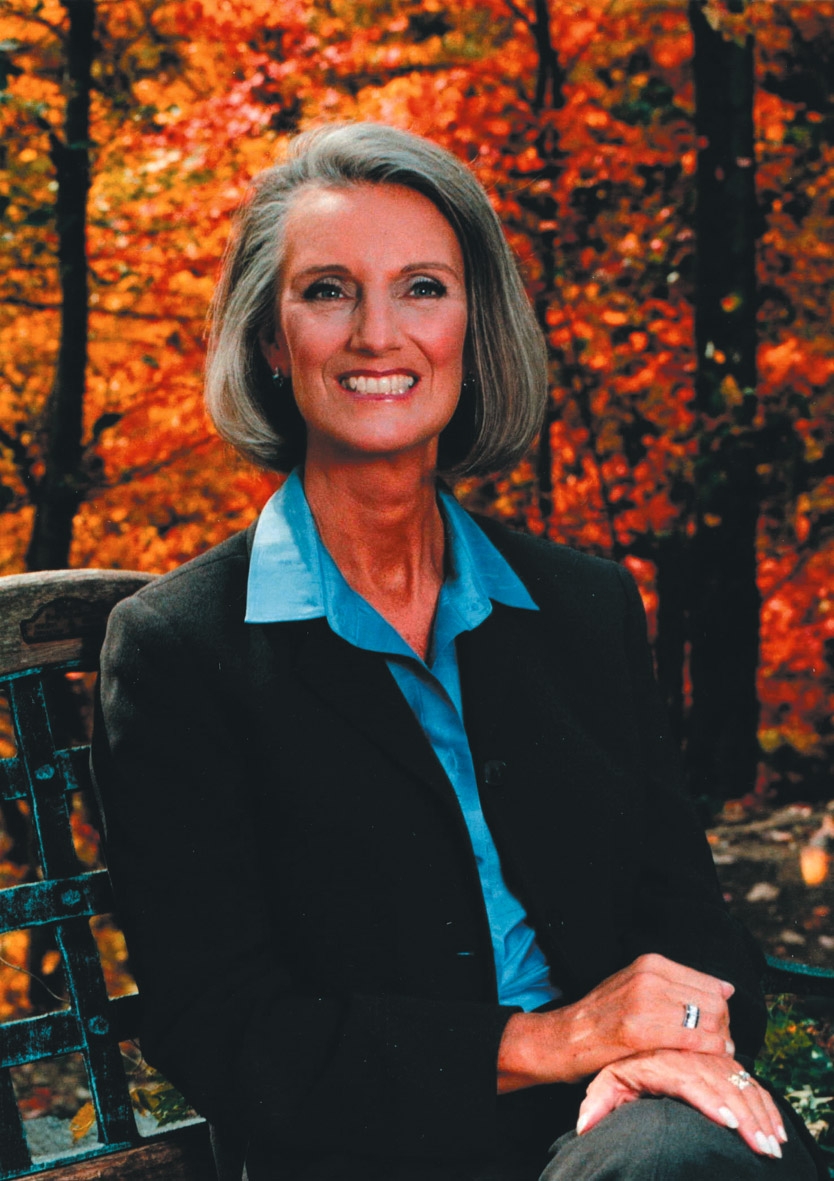
  • Interview with Anne Graham Lotz – Wounded by the Church

    God gives me strength and stamina every day. Over the recent months, my husband has had two bouts of pneumonia by aspiration; it’s exactly what my daddy has had. Danny is out of the hospital now, but has home healthcare and a team of friends to help. I don’t feel rested or refreshed, but I’m in good health. And God gives me droplets of blessings; words from his Word.

    Anne Graham Lotz High ResThis has made me think of Moses asking to see God’s glory (in Exodus 33). God puts him in the crest of the rock and has his hand on him. And then God removes his hand. So in a very hard place, Moses feels abandoned. And then God passes by, but Moses only sees the backside of it.

    God has put me in a hard place, and at times I don’t feel his presence at all, but I can look back on yesterday, or last week, or the hospitalization – the two months Danny was in hospital and rehabilitation – and I can see how God has brought us the right doctors and nurses, and how he’s taught me so much. Like Moses I see God’s character and his faithfulness; his goodness and strength. Faith doesn’t go on feelings; faith is rooted in the word of God.

    I didn’t intend to write Wounded by God’s People so personally. When I finished The Magnificent Obsession, which is my book on Abraham, the story of Hagar stayed with me. And so I went back and did a Bible study on it, and felt impressed that God wanted me to write on Hagar. I ended up taking four years to write it, going deeper and deeper in my understanding not only of being wounded but being a wounder.

    While I was writing, I was deeply wounded. I waited for about two months to do an act of kindness, because I was so stunned by the wounding. But God clearly popped something very precious into my mind that I could do for her. About a month later I received a perfunctory note on her business letterhead, in which she barely thanked me. But I knew that my act had set me free – I can still be surprised at what she did, but the pain is gone and I live in my forgiveness.

    If you don’t deal with your sin, then you cover it up; you keep blaming; you build a wall. And that’s something I’ve seen since I’ve written Wounded: very few people have the courage to look at themselves and see when it’s their fault. We’re so self-deceived and have such a positive image of ourselves! Some might pray for the Lord to show them their spiritual blindspots, but they do so with one eye squeezed shut while rationalizing their actions.

    I want to learn from people backpedalling and defending themselves, for I want to be wide open and honest before the Lord, so that when I’ve hurt someone I can see it and know it and do my best to set it right.

    If you told me during my year of exile, when I wasn’t attending church, that I had to go back to church, I would have bucked. I wasn’t ready. But when the time was right, my husband and I went back, and it’s been a blessing. There’s a time we need to get out and catch our breath and get a good perspective, but when God sends us back, then we say, “Yes Sir.” Maybe not to the same congregation, but we can be obstinate in our exile if we ignore God’s prompts.

    Pastors and people on staff at church have been devastated by those in their congregations. It’s not just people in the pew. I don’t know what in the world we’re thinking when we treat each other like this – it’s heart-breaking to hear the stories. But I know God can use it. And I know what he’s taught me in the story of Hagar. We can get free of the bitterness, and from being bogged down in the mire of resentment and anger and all those imaginary conversations.

    Wounded UK Cover High ResOne of my friends read Wounded after she caught her husband having an affair. They were working things through in counselling when she asked me whether she had to offer the woman forgiveness. I said no, there are boundaries. You can forgive him – and living with a man who betrayed her, her days are filled with acts of kindness – but not to approach the woman, for she hadn’t acknowledged her wickedness and was still trying to seduce the husband.

    Jesus offers us forgiveness of every and any sin, but we have to confess our sins, saying the same thing about them that he does – we have to be brutally honest. Then we’re forgiven of all that sin and unrighteousness. But there’s only so much he can do when we’re rationalizing and defending. You’re not going to have an intimate relationship with a holy God as long as you’re excusing your sin. The same thing is true with another person.

    Women speaking and praying in church? I make an application from John 20, John and Peter at the empty tomb. You can hear their sandals running out of the garden when Mary Magdalene comes along. She’s weeping and the angel says that Jesus isn’t here, and then she sees a gardener who calls her by name. And it’s Jesus. But Jesus was there all along; he withheld himself from Simon and John, revealing himself first to Mary and then the other women. He instructs Mary to tell the disciples what she’s seen and heard. He wants the women to share their testimony, their encounter with the risen Christ, giving his disciples the instructions to meet him in Galilee. His disciples are a group of men behind locked doors in Jerusalem. Mary goes right back to tell them, but they think she’s a hysterical woman. So they postpone God’s blessing in their lives.

    Jesus makes a poignant lesson that the church seems to have missed – that women can be disciples; that he reveals himself to them in fresh and significant ways; that he himself commissions them to share not only their testimony but also his word. But we have to be careful to let God give us a ministry and not try to make one for ourselves because we want the position or prestige.

    Books I love? Joel Rosenberg’s novels. He’s a converted Jew who writes biblical prophecy in novel form and then it comes true! One of his latest is The Damascus Countdown. He teaches us about the Shiites and Sunnis and the Muslim culture. Another is Tom Doyle, Dreams and Visions. Every chapter tells a different story of a Muslim to whom Jesus just shows up. It seems to be the untold story of tremendous revival in the Middle East. Another is The Forgotten Blessing by a Jewish rabbi who is now a believer, Aaron Fruh, about the blessing that fathers give their children and wives. I know people who put it into practice and what a difference it makes in the home. And I love Davis Bunn’s novels. One of the best was Lion of Babylon. I wrote him to thank him for it, and he wrote back and said, “Anne, did you see it was dedicated to you?” I said no! I had seen an early manuscript, so I bought a copy and there it was! I was very moved by that.

    My interview with the well-known Bible teacher appeared first in Woman Alive in April. With thanks to my friends there for permission to include on my blog.

  • Yes, says the Lord

    Photo: *_Abhi_* on flickr
    Photo: *_Abhi_* on flickr

    In Christ, the answer is “Yes.” I was chewing over 2 Corinthians 1:1–11 recently, thinking about how God wants us to know this Divine Affirmation. Yes, he says. Yes. Yes!

    Do you believe in Christ’s Yes for you?

    God our Father
    God of compassion
    God of comfort
    God of love
     
    Troubles and pressure
    Despaired we of life
    Deadly peril over us
    The sentence of death
     
    But God the deliverer
    In whom we rely
    In him our hope
    Deliverance continued
     
    Helped by prayers
    The communion of saints
    Thanks we return
    Favor granted
     
    For God is faithful
    No mixed messages
    In Jesus it’s Yes
    Promises kept
     
    No limit to promises
    In Christ all Yes
    Through him, Amen
    God be glorified
     
    Standing firm in Christ
    Anointed are we
    His ownership seal
    Set by God
     
    And in our hearts
    His Spirit a deposit
    Guaranteeing
    What is to come
     
    On 2 Corinthians 1:1-11
    © 2014 by Amy Boucher Pye
  • Weekly devotional: Even the demons believe (4 in Jesus’ miracles series)

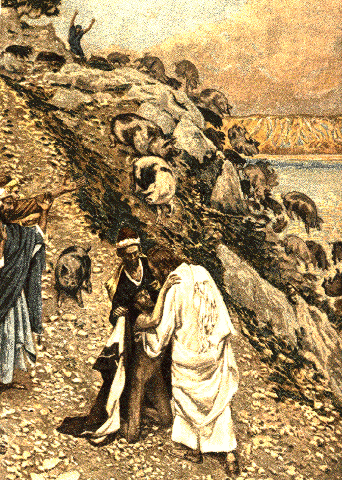
    When he arrived at the other side in the region of the Gadarenes, two demon-possessed men coming from the tombs met him. They were so violent that no one could pass that way. “What do you want with us, Son of God?” they shouted. “Have you come here to torture us before the appointed time?” Some distance from them a large herd of pigs was feeding. The demons begged Jesus, “If you drive us out, send us into the herd of pigs.” He said to them, “Go!” So they came out and went into the pigs, and the whole herd rushed down the steep bank into the lake and died in the water. (Matthew 8:28–32)

    swineSickness, blindness, stormy lakes, and now demons. Jesus and his friends arrive in a Gentile area, which is why a herd of pigs was grazing. Again Matthew cuts out excess details as he points squarely to Jesus’ action of release instead of giving a lot of background information about the possessed men.

    The demons knew immediately who they were encountering – the Son of God. They recognized his authority, and pleaded to be released into the pigs (two thousand, according to Mark’s gospel). He tells them to go, and they do so dramatically, sacrificing the pigs in the process. The Jewish people with Jesus wouldn’t have been bothered by this loss, for they so disliked pigs that they would have put them in the same category as the demons. The Gentiles, however, were troubled and asked Jesus to leave. As one commentator says pointedly, “all down the ages the world has been refusing Jesus because it prefers the pigs” (quoted in NIV Application Commentary: Matthew, p. 354).

    We can feel bad for the squashed pigs, but if we focus too much on them we’ll miss the point of the story – the authority of the Messiah over demons, and freedom and restoration for troubled men. Also, we can ponder that Jesus allowed the demons to transfer to the pigs because it wasn’t the appointed time. We don’t know why he didn’t eradicate the evil then, but we know that one day he will.

    Prayer: Lord Jesus Christ, Son of the living God, have mercy on me, a sinner.

  • D-Day, 70 years on


    The memorial on Omaha Beach.
    The memorial on Omaha Beach.

    We sat enjoying our picnic on the beach, soaking in the French sunshine and watching our little boy play in the sand. Nicholas turned to me and said, “You know, it’s probably because of your ancestors fighting right here that those schoolchildren are free. And speaking French today.”

    “Wow,” I said, the implications sinking in more deeply.

    OLYMPUS DIGITAL CAMERAIt was the earlyish 2000s and we were at Omaha Beach, enjoying the outdoors after exploring the museum with its slightly dusty artifacts and big fighting machines. I find these outing to military museums important but draining, not only for all the information to be read and digested, but for the bigger issues of loss of life, fighting, and just plain old evil. But sitting on the beach, thinking about my Uncle Donny who fought in WW2, I simply gave thanks.

    Thank you, veterans, for risking or giving your lives that we might be free.