I love interviewing authors for the Woman Alive Book Club. Here’s an interview with American writer Holley Gerth from last year. She says she “would love to have a cup of coffee or tea with you so she could listen to you share your heart and encourage you. She loves words, chocolate, and most of all, Jesus.”
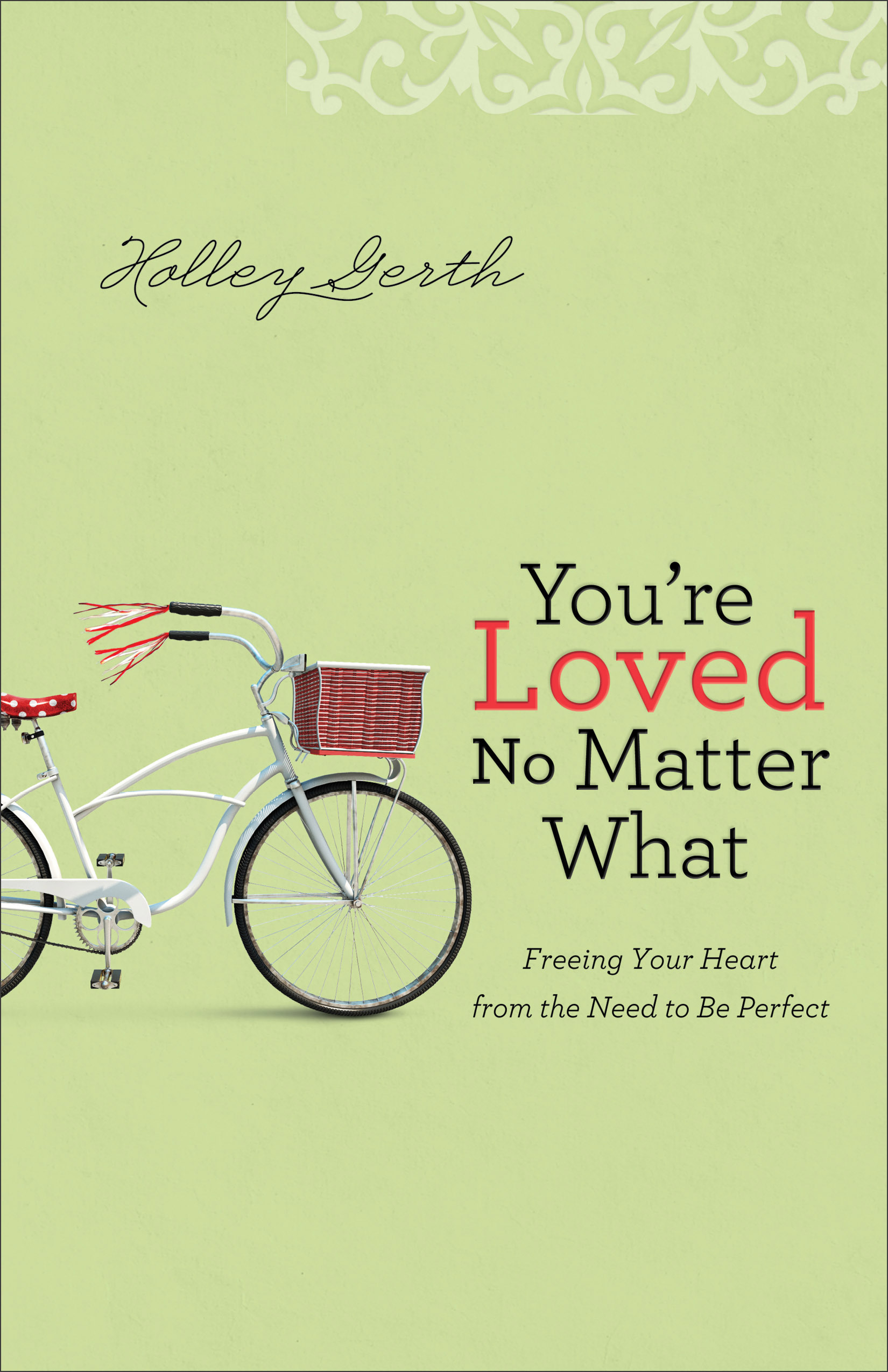
You’re Loved No Matter What: Freeing Your Heart from the Need to Be Perfect came out of connecting with thousands of women and hearing this over and over: “I’m so tired.” I could relate and began to look into why so many women are weary – even when they have a strong faith. What I discovered is that so many of us believe lies that tell us we have to try harder and do more or we won’t be loved. I wanted to share the truth our hearts need to hear so that we can be set free from striving and live in grace.
My grandparents owned a Christian bookstore when I was growing up and I always dreamed of being a writer. God grew that desire within me as a I went on to work for DaySpring [a Christian gift and card company], become a counsellor and life coach and then set out on my own to write books. All along the way, I found myself encouraging women – whether it was one at a time or in front of a crowd of thousands. What makes me happier than anything else is to see a woman take hold of who she really is and how much she’s truly loved.
The authors who have influenced me most are the women of incourage.me, a site I cofounded about six years ago. There are about thirty contributing writers and most have released wonderful books. They share in ways that are brave and real – which helps me do the same. Two of my other favorite books are If You Want to Walk on Water, You’ve Got to Get Out of the Boat by John Ortberg and In a Pit with a Lion on a Snowy Day by Mark Batterson. Both have given me courage and helped me move forward on God’s path for my life.
My husband and I have been married over fifteen years and we try to read Scripture and pray together each morning. I’m not good at maintaining things or keeping a routine. For example, I’ve killed every plant I’ve ever owned! So it helps a lot to have someone keep me accountable. It also helps Mark and I stay on the same page as we do life, ministry and business together.
I’ve tackled the new challenge of creating a workbook to go with my first book, You’re Already Amazing: Embracing Who You Are, Becoming All You’re Created to Be. I’m really excited about having material for groups to use. It is interactive and creative so it’s fun to think about all the things that can be included in it.
I love hearing from readers. One woman told me she had walked away from God because she felt like he could never forgive her because of mistakes she’s made. She didn’t want to go to church or talk to “religious” people. But someone gave her my book and it helped her see that God really does love and accept her. She told me she had reconnected with God and wanted to grow in her relationship with him.
Abraham going up to offer Isaac as a sacrifice, as in Genesis 22, illustration from the 1890 Holman Bible.
“We will worship and then we will come back to you.” Genesis 22:5
Matt Redman’s song “Blessed Be Your Name” has helped many voice the mystery of worshiping God when we’re suffering. Though we feel “pain in the offering,” yet blessed is God’s name. We may croak the words through tears or gritted teeth, but the act of singing can inform our emotions.
Abraham names what he is about to do as worship. He doesn’t know why God would ask him to sacrifice his son, but he trusts in the Lord. Biblical commentators remind us that child sacrifice would not have appeared as shocking to Abraham as it does to us, for back then it was common for deities to demand this as an act of worship – though of course the true and living God is not just any deity.
Note also what Abraham says to his servants: “We will come back to you.” Did he sense that God would stop him from killing his son? We don’t know, but we can marvel at his faith, finding encouragement that a man who once lied to Pharaoh, calling his wife his sister, or who another time tried to fulfill God’s promises through his slave, is now a man of great faith.
How might we worship the Lord today, even if we are walking the road of suffering? May we affirm him as our loving Father who wants the best for us.
Prayer: Lord God, you sacrificed your only son that our slate might be wiped clean. Thank you for your love.
I dare you to read today’s contribution to the “There’s No Place Like Home” series without tears streaming down your face. I can’t do it – every time I read Alex’s words, they strike the inside of me. Maybe because so much of our story is similar, and that I too have had to deal with resentment and bitterness over what is home – and especially what is the home of my children. I’m so glad to introduce Alex to you today, for she was part of an answer to prayer back when I first moved to the UK and was friendless. Grab a cup, or glass, of tea (hot or iced) as she shares her search for home.
My husband and I are both from Fife but moved away from Scotland 18 years ago. The moving part was a conscious decision, but the away part wasn’t. Incrementally we have moved further and further, with addresses in England, The Netherlands, Hungary, and now Texas in the USA. The initial move was a result of my husband accepting a job in Surrey; subsequent moves were internal to the company he works with – a mark of a successful career, but with ripple effects for ourselves and our families.
The view from home in Aberdour.
Oddly, despite having lived in five different countries in less than two decades, it was only a year ago that I started having a crisis about what I actually called “home”. At that point we had been living in America for more than a year, and had drawn the conclusion that it made sense to buy a house here in Texas. I was on board at a practical level, but was struggling emotionally and had at least one meltdown during a telephone conversation with my poor, bemused husband.
On reflection, previous moves had never seemed particularly permanent. Even in The Netherlands, where we lived nearly nine years, our expectation had been to be there for two, and the staying was a gradual acceptance. Buying a house in Texas felt like a sudden and huge commitment, not helped by the fact it is so far away from Scotland, with family, a cooler climate and a beautiful landscape beckoning.
It also felt like a betrayal to my parents who had endured a hard six months, during my step-dad being in hospital and the ensuing recovery of illness and being effectively institutionalised. Ironically, I had just completed a Master’s in Gerontology and yet I wasn’t available to support my own family. Failing health also meant they wouldn’t be able to make the journey to visit our new house – in my mind a key requisite of giving it a feeling of home.
The final straw was having to come to an acceptance that this would likely be the last childhood home for our boys, in a place where everything except (and perhaps even) the language is surprisingly alien. As far as the boys were concerned, America, with football (sic), sunshine, swimming, Chick-fil-a, tennis and music every day at school, was exactly the place to spend their childhood days.
The view from home in Flower Mound.
At the time my emotions were running high, I was taking part in the first semester of the Life With God (LWG) study with a small group from my church. The study aims to encourage participants to deepen in relationship with God, through personal reflection and group discussion. Participants are challenged to apply biblical knowledge to the heart and soul, and we had reached a point in the study where we were considering Cain and his essential refusal of God’s intervention regarding anger and bitterness (Genesis 4:6,7).
Working through my own personal resentments and disappointments in light of the study, I reached two very clear conclusions. As far as my immediate family were concerned, the only factor that would hold everyone back from settling with Texas as their home would be my reluctance, and even bitterness. As far as God was concerned, I was displaying a lack of faith that, having brought me thus far with many blessings and life lessons on the way, God would continue to work His purpose in my life.
I gradually began to accept Texas would be home for at least the time being, and to take each day as it came. Very soon after all my soul-searching, we found a house that ticked much of our wishlist and, as the months have gone by and neighbours have become friends, it has met wishes and needs we weren’t even aware we had. Thanks to Skype and Facetime, family members unable to travel have become familiar with our surroundings, and my step-dad even presented us with a beautiful water colour of the house, based on photographs.
New Texan home by Alexander Harper (aka Opa).
The boys are incredibly adaptable, doubtless thanks to their international experience, and they have always settled quickly. However, my husband and I, a little more set in our ways perhaps, have been astonished at how settled we have felt in this particular house. The house and its environs are very different from anything we grew up in, but they have quickly become familiar. We both feel we can breathe a sense of relief every time we turn into the estate and approach the house. And it feels right to call it home.
We try to return to Scotland every year and did so last month. Having pondered long and hard over what home means, my senses this visit were sharpened to the sheer beauty and preciousness of the place and the people associated with Aberdour. Despite my current address quickly establishing its place as home in my heart, the village of my childhood, Aberdour, also continues to lay its claim to the title.
If you ask for tea in either of the places I call home, the presentation will be very different!
On our return to America, two opinions were aired about what we should call home. My son was gently admonished by my uncle for referring to Texas as “home”, rather than Scotland; at Dallas airport, I asked an official which line (queue!) we should take for customs now we have a green card, and his reply: “don’t worry, you’re home now”. Two claims to what we might consider home, at either end of a long journey – both valid. Until another corporate decision shakes us up again, my heart is at rest.
“…if I settle on the far side of the sea, even there Your hand will guide me, Your right hand will hold me fast.” (Psalm 139:9,10)
Alex Ward is a Scot currently living in Flower Mound, Texas, with her husband and two sons, both born in The Netherlands. She has recently completed a Masters in Gerontology (distance learning with Southampton University) and is contemplating how to make use of it now her boys’ days are filled with their own activities. She likes a good cup, or glass, of tea.
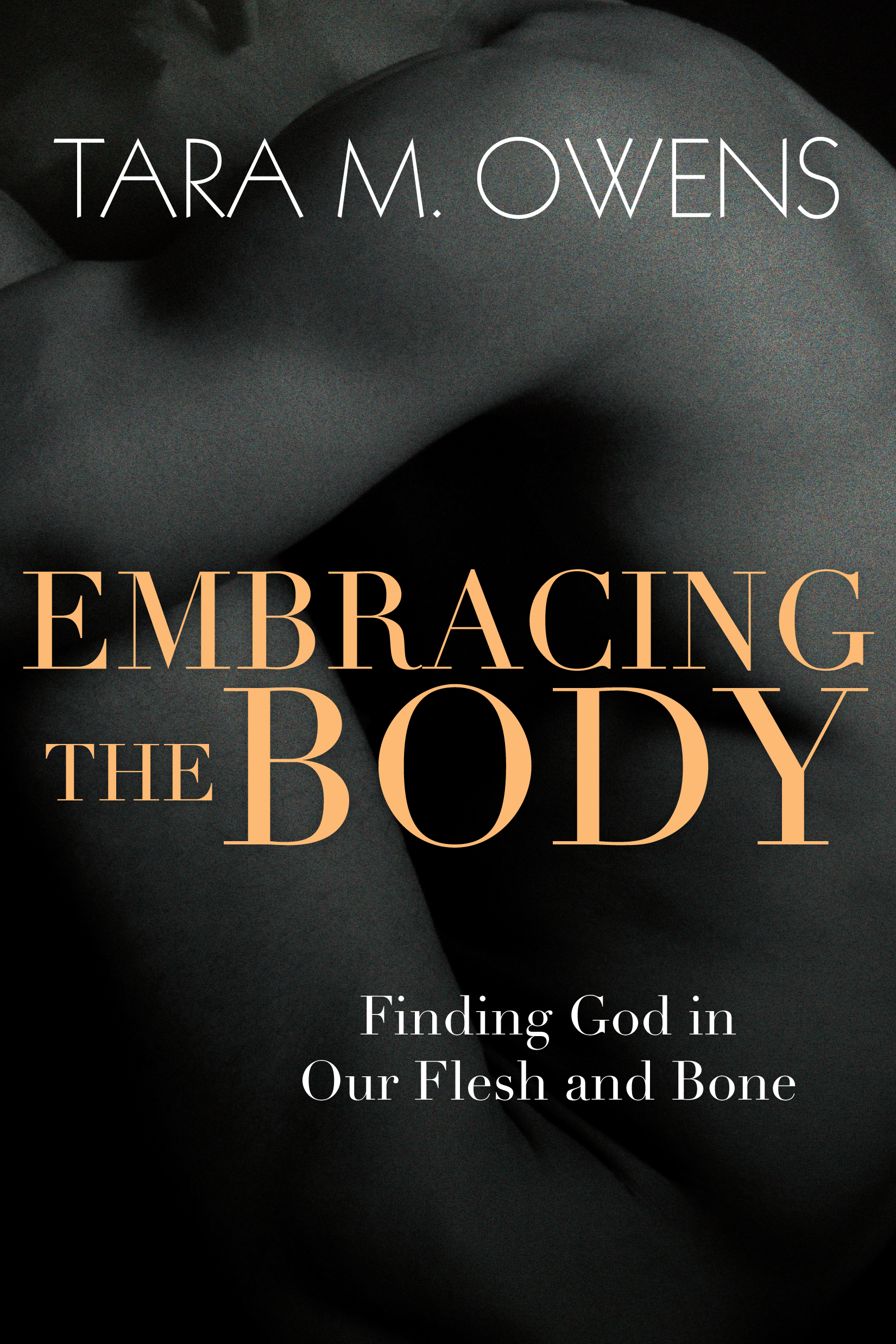
The clock read 3.15 am. I swallowed, tasting the tinny residue left from the antibiotics I was taking for a lingering chest infection. My stomach rumbled. My mind refused to switch off as I mulled over future events. After a half-hour of tossing, I moved to the guest room, not wanting to disturb my husband. As I picked up Embracing the Body with its exploration of God in our bodies, I thought: “This is an enacted parable. Here I am trying to sleep, knowing tomorrow will be hard as I’ll be tired and cranky, and yet I haven’t tuned into what my wakeful body is telling me. I’m reading about embracing our bodies and yet my body is keeping me awake.”
Tara Owens has given us a lasting gift through her book, which was many years in the percolating and making. Indeed, hers is a book I didn’t know we needed, and yet it should be required reading for the Body of Christ. For we are all blood and sinew; fat and muscle; synapses and fluid and flesh. But in the church, we so often gloss over our bodies, out of fear or complacency. We elevate the spiritual to our detriment, believing that because of the fall of humanity, now our bodies are irrevocably fallen too.
Tara in Embracing the Body gently says no, pointing to a healthier way. A spiritual director, she calls us to discern “which bodily experiences lead us toward God and which lead us away” (p.89). Making a list of do’s and dont’s might seem easier in the face of the power of our appetites and desires, but such rules can cut us off from grace and healing. Such as the exercise Tara led in which the participants communicated about their day only through their hands, and through touching the hands of the one with whom they were paired. One woman grew more and more angry and uncomfortable, memories of the sexual abuse she’d suffered popping to the surface. She completed the exercise but burst with rage against Tara. Only after a week of wrestling with God and praying with her husband did she understand that she had closed herself off to any and all touch outside of marriage, whether hugs of greeting or a friend’s hand on her shoulder. Though the exercise had been painful, she realized afterward that God allowed it to break her rigid categories and to move into another stage of healing.
Do read Embracing the Body, but take your time to read it slowly; even better would be to read it with a group of friends, engaging with the fine body/spirit exercises at the end of each chapter. One to savor; one to be changed by.
Embracing the Body: Finding God in our Flesh and Bone, Tara M Owens (IVP, ISBN978-0830835935). This review originally appeared in the Woman Alive Book Club.
Take your son, your only son, whom you love – Isaac – and go to the region of Moriah. Genesis 22:2
They say losing a child is the hardest thing to experience. One day your hopes and dreams for your son or daughter live and breathe; the next they seem quashed. Your world has changed inexorably, and how God fits into the questions of why can lead to a lifetime of questing. (I write from empathy, not experience.)
The Lord God didn’t require of Abraham something he wasn’t willing to do himself – sacrifice his only beloved son. We see in the Lord’s instructions that he knows what he asks of Abraham – this is Abraham’s only son; the one who will fulfill God’s promises. It seems unthinkable.
Yet Abraham obeys, setting off on the three-day journey to Moriah. Consider what Abraham must have been thinking and feeling. Every step closer to Moriah marked less time with Isaac. Did he battle internally, questioning God? We don’t know, but as we see in Hebrews 11:19, he came to a point of acceptance, for he “reasoned that God could even raise the dead.”
Wrestling with the questions of “why” can eventually be a means of strengthening our faith, as we work through with God the issues that we don’t understand. This side of heaven, we won’t fully comprehend, but I hope the character of God – His goodness, faithfulness and love – will frame our questions and answers.
Prayer: Triune God, there’s so much we can’t fathom; at times our grief feels too much. Show us your great love. Amen.
That elusive search for home – Fiona puts it so well in today’s contribution, in which I can feel her ache and yearning. For me an unexpected gift of this series is hearing stories from fellow writers in which they peel back a layer and expose a soft and tender part of themselves, as Fiona does today. I’m grateful.
Today is my daughter’s last day at primary school. No doubt I’ll be shedding bucket-loads of tears at her final assembly and remembering the first day she entered those school gates. Apart from this last year (with the SATS debacle) it’s been a wonderful, nurturing environment for her to grow and learn in. And thanks to some kind and gifted teachers, a home from home.
I contrast that to my own experience. When I was my daughter’s age (11 ½) I had already been to five different schools, excluding nursery: three in England and two in South Africa. My brother, 18 months older, had been to seven. We had moved house and continent a number of times – and changed schools within the same town – as my parents endeavoured to give us what they hoped would be a better life. Their motivation was good, I understand that, but it had unforeseen emotional, social and psychological consequences.
Me during my first year at school.
Not all of it was bad. I was ‘forced’, in an adapt-or-die way, to become more socially outgoing and confident when I was naturally more quiet and reticent. Reticence didn’t make you new friends or help you fit in, I found. I also became much more pro-active about life in general. I became an independent self-starter, and that has served me well in setting up and running my own freelance business. I have a philosophy that if I don’t do it, no one will do it for me.
But the negative side included my loss of a sense of home. Fortunately, between the ages of 13 and 17 I was settled in one school and one house. However, my mother became disabled during those years, and my dad unemployed, so that diluted the stability I was just beginning to enjoy. During my teens and twenties I had recurring dreams of looking for ‘home’. The home was always my grandma’s house in Newcastle-upon-Tyne, and she was always waiting for me at the kitchen door with her plump little body ready to embrace me.
Grandma at her kitchen door. Yes, I’m crying now.
Even now, in my writing, I see the search for home, or being displaced from home, as a recurring theme. In my latest series of children’s books, Young Joseph starts each of his adventures by dreaming of his home in Canaan and praying that one day he can return. In my new adult mystery novel, coming out this September, two of the characters are refugees fleeing a war zone, wishing they were home.
Yet through it all – for my characters and for me – there is God. He ‘found’ me when I was 11 – the same age as my daughter is now – and impressed on me that He would be with me always, that He was my true home. Jesus calls us to abide in Him. I translate that as ‘to find my home in Him.’ ‘Find your home in me and I will make my home in you.” (John 15:4, my paraphrase).
The Franciscan monk Richard Rohr speaks of ‘homesickness’ as a longing to find our true home in God. I couldn’t agree more.
Fiona Veitch Smith is a writer and writing lecturer, based in Newcastle upon Tyne. She writes across all media, for children and adults. Her children’s books The Young David Series and the Young Joseph Series (to be published August 2016) are available from SPCK. Her mystery novel The Jazz Files, the first in the Poppy Denby Investigates Series, is published by Lion Fiction, the second, The Kill Fee, will be coming out in September 2016. Her novel The Peace Garden is self-published under Crafty Publishing http://fiona.veitchsmith.comwww.poppydenby.com.
I’ve written a book [for a Christian audience], and know that although you’re probably busy with a zillion things, any guidance or advice with how to begin the publishing process would be very appreciated. Feeling unsure of where to begin…
Dear new author
Well done for taking the plunge into the writing life. Well, I’m guessing that you’ve probably been writing for many years, but now you’ve penned your first book, which is wonderful. Getting the words on the page is a huge accomplishment. Where to begin with the publishing process? Here are a few tips, gleaned from my many years in the business of creating books.
1. Make your manuscript as best as it can be
Whether you land a publisher or choose to go indie, the more you can hone and shape your manuscript, the better. Yours is fiction, which I don’t have as much direct experience with as an editor (although I read voraciously), so I’m not the best person to advise in terms of creating and refining a novel. But aspects of good fiction strike me to focus on, such as strong characters, believable plots, an appropriate amount of tension, and so on. For non-fiction writers, how’s the argument in your book – does it flow? Is it engaging? Life-changing? Are you meeting a felt need in the market (marketing speak, I know)? Are you perceived as an expert in this field?
Whether fiction or nonfiction, your book will benefit from an outside perspective, preferably an editor. With my first book, I spent a chunk of change in engaging an editor to help me craft my proposal and sample chapters. She helped me see what I was blind to and brought clarity and polish. That book never got published, and never will, I think (thankfully!), but that’s another story and not at all related to her role in the acquisitions/commissioning process. I recommend you spend money on an editor.
Maybe not the best way of increasing your platform?
2. Develop your platform
These daysgetting commissioned feels like it’s all about platform. How many Twitter/Facebook/Instagram/etc followers do you have? How often do you blog? Who are your peeps? Publishers receive proposals for wonderful books all the time, and although the publisher may love your concept and execution, you don’t have a following, they may have to turn down your project. “Have to” you ask? Well, of course they could spend a lot of money launching new authors, but resources are limited and with margins becoming more and more squeezed in the industry, investing in this way simply isn’t as possible as it used to be. I should add, however, that nonfiction can demand a more defined platform than fiction.
How to develop your platform? It’s not something that appears overnight, so taking a long view is the best approach. Try to arrange for speaking gigs or magazine articles or blog posts in your chosen field. Blog regularly, if you don’t, and set up a mailing list (advice I need to implement!). Build your community.
3. Determine which publisher you’d love to work with
If you going for a traditional publisher, do some research. Go to a bookstore and look online for other books that are similar to yours. What’s the competition (you’ll need this for your book proposal anyway)? Who is publishing those books? Research and research some more, finding out as much as you can about who the publisher is and what they like to publish, and who their audience is. With so much information online, this is so much easier than it used to be.
If you’d rather go indie, find out who is who. Or maybe you’d like to keep control and set up your own house. Again, there is a lot of information online about how to self-publish (just please, please, please pay for an editor, proofreader, and designer!). In the UK, many of the members of the Association of Christian Writers have experience with indie publishing – if you check out their daily blog, you’ll get a sense of who to approach for advice.
4. Put together your book proposal
You’ll need a book proposal for your work. Novels are different than nonfiction – for fiction, you can write a synopsis, outline, and sample chapters (I believe – as I said earlier, not my specialty!). For nonfiction you’ll need much more. For my first book proposal I included:
Paragraph summary of the book
Author bio
Competition
Target audience
Marketing (what I would be willing to do and what would be natural for me with my platform)
Annotated chapter outline
Sample chapters
I recommend you research this topic more fully, for your book proposal is probably the most important thing to getting published (unless, say, you’re a relative of a publisher!). I used as a guide Michael Hyatt’s how-to create a book proposal (before he created the ebooks he now has available). I’d also recommend perusing Jane Friedman’s website, for she has a lot of resources available, including where to get started on a book proposal.
5. Pray
Yes, we need to work hard to try to land a publisher. But I believe we need to pray hard too, trying to discern God’s nudges and leading. After all, he’s our Author, Publisher – and our Commissioning Editor! May we collaborate with him on works that will spread his kingdom of love and light.
Let me know how you do in your publishing journey!
We embark on a new seven-week series in which we explore a famous story from Genesis. That the Lord would ask Abraham to sacrifice his son may boggle our minds, but we will see what was behind this request as we travel through the passage. We can be inspired and encouraged by Abraham’s obedience to God’s voice, knowing that the Lord of this patriarch is too the God who made us and formed us, and loves us as his own.
Some time later God tested Abraham. He said to him, “Abraham!”
“Here I am,” he replied.
Then God said, “Take your son, your only son, whom you love – Isaac – and go to the region of Moriah. Sacrifice him there as a burnt offering on a mountain I will show you.”
Early the next morning Abraham got up and loaded his donkey. He took with him two of his servants and his son Isaac. When he had cut enough wood for the burnt offering, he set out for the place God had told him about. On the third day Abraham looked up and saw the place in the distance. He said to his servants, “Stay here with the donkey while I and the boy go over there. We will worship and then we will come back to you.”
Abraham took the wood for the burnt offering and placed it on his son Isaac, and he himself carried the fire and the knife. As the two of them went on together, Isaac spoke up and said to his father Abraham, “Father?”
“Yes, my son?” Abraham replied.
“The fire and wood are here,” Isaac said, “but where is the lamb for the burnt offering?”
Abraham answered, “God himself will provide the lamb for the burnt offering, my son.” And the two of them went on together.
When they reached the place God had told him about, Abraham built an altar there and arranged the wood on it. He bound his son Isaac and laid him on the altar, on top of the wood. Then he reached out his hand and took the knife to slay his son. But the angel of the Lord called out to him from heaven, “Abraham! Abraham!”
“Here I am,” he replied.
“Do not lay a hand on the boy,” he said. “Do not do anything to him. Now I know that you fear God, because you have not withheld from me your son, your only son.”
Abraham looked up and there in a thicket he saw a ram caught by its horns. He went over and took the ram and sacrificed it as a burnt offering instead of his son.So Abraham called that place The Lord Will Provide. And to this day it is said, “On the mountain of the Lord it will be provided.” Genesis 22:1–14 (NIV)
“From everyone who has been given much, much will be demanded” (Luke 12:48). So said Jesus to his disciples, but this statement could equally apply to Abraham. The man known as the father of the nations was one who obeyed (Hebrews 11:8). Much was given to him, but much was also required.
When we consider the story in our text, however, we may wonder why the Lord would put his servant to the test. We’ll see hints later in our series, but for this week, consider how we respond when we feel tested. Are we like Abraham, who when God calls him, says, “Here I am”? He has learned how to discern the voice of God over time and thus presents himself before him, ready to listen and obey. His trusting relationship with God prepares him to follow his commands.
I don’t believe God will put us to the test in such an extreme way as he did with Abraham, but I’ve seen him allow hard things in life, which tests our faith. One day I asked a friend whose husband and daughter had died about her relationship with God. She said, “Who else can I turn to? He’s my rock.” What a humbling, faith-filled response born out of the crucible of pain and suffering.
May our faith be strengthened, that we may be found ready.
Prayer: Father God, shine your light on the Scriptures, that we might understand and love you more. Amen.
If home means people, then what happens when children grow up and move out? This is a question Fiona Lloyd poses movingly – a question that hits me square between the eyes as I try to stay present in the moments of our lives, with our kids still at home. I read Fiona’s blog and jump ahead a few years in my mind, hopeful and determined to not miss the fleeting moments. Her post is not just for parents, of course. It’s for anyone who wants to consider what home is right here, right now.
Someone pointed out yesterday that it’s just over five months to Christmas. I reckon that gives me a good four-and-a-half months until I need to start thinking about it…but it’s a good excuse to show a picture of one of my favourite presents, anyway.
When our children were small, we had a delightful elderly lady in our church who used to come and spend Christmas Day with us. Her name was Dorothy, and she came every year for about 10 years. For Dorothy, the highlight of her Christmas was watching the children opening their presents: I suspect she was often even more giddy than they were. So every year, my husband would pick Dorothy up at eight in the morning and bring her back to our house in time for the grand opening ceremony.
To prevent the children from exploding with excitement while they waited, we got into the habit of giving each of them a stocking full of small goodies to be opened in our bedroom at some unearthly hour on Christmas morning. (Eventually we trained them to bring us a cup of tea first.) Then one year, they bounced in not only with their own stockings, but with an extra one they’d made especially for us, complete with chocolates and the present shown on the left. It’s one of my most precious Christmas memories; not just because of the gift, but because of the love (and the plotting and planning) that went into it.
When I think of home, my mind automatically drifts to incidents such as these: times when we celebrated being family together, with nothing else to distract us. These are my warm fuzzy moments, the ones that generate a sense of security and well-being, and make me feel I belong. In the idealised, rose-tinted world portrayed by the media, home consists of cosy family gatherings, preferably in a pristine house with perfectly coordinated soft furnishings.
The difficulty with real life is that it moves on. My children have grown up, almost without my noticing. As I write, my youngest is travelling round Europe with her friends, while her sister is packing up ahead of a two-month trip to Australia. My son and his wife are happily settled in another city, a good hour’s drive from where we live. They’re all busy building their own lives – which is as it should be – but it’s left me wondering what home means. If I cling to distant memories and expectations that are now well past their sell-by-date, I’ll end up disappointed and isolated. I’m someone who prefers certainty and structure in my world, and yet I’m realising that my definition of home has to be flexible in order to survive.
I’m fiercely proud of my Yorkshire roots. I’m also fortunate enough to live in a comfortable house which is conveniently situated on the edge of a large city, yet only 20 minutes away from idyllic scenery. For me, however, home is no longer simply a matter of geography. As I get older, I’m discovering that home is less and less about the externals and much more about how I am inside. The places where I’m most at home are those where I feel accepted for who I am, and where I don’t have to earn approval by pretending to be a different – and somewhat sanitised – version of myself.
The drive at Scargill House.
I find I am settled and at peace with those who take time to show an interest in how I really am, and who offer me words of affirmation and appreciation. I think of family friends in Whitby who are always willing to extend their dining table to seat an extra couple of visitors, or Scargill House, where there’s a seemingly infinite supply of coffee and friendly greetings.
This realisation has also liberated my attempts to reach out to other people. Rather than worrying about the depth of the dust on my mantelpiece or panicking about whether my cooking skills are up to scratch, I can help others to feel at ease by offering words of encouragement and welcome. For me, home is not about a specific location, or even spending time with a particular group of people: it’s about being affirmed for who I am, and learning to extend that same sense of affirmation to those around me.
Fiona Lloyd lives in Leeds with her husband, where she pretends not to mind that her three children have grown up and are moving on. She spends her working days teaching violin in local schools, and her spare time doing as much writing as she can get away with. She worships at her local Baptist church, and is a member of the worship-leading team. Fiona blogs at fjlloyd.wordpress.com, and you can find her on Twitter at @FionaJLloyd. She is vice-chair of the Association of Christian Writers.
Do you have any hints on giving a fair and honest review?
I have received books that were not of my choosing written by those of a very different experience and background to me. The genre may not be what I usually would read. I have a few where I haven’t finished. Much work has gone into the writing of these books which may have a message that I was unable to connect with. Without doubt if they reached a person who liked the style they would be enthusiastically received.
Great question, and as someone who has reviewed books for a decade with the Woman Alive Book Club and in places like Christianity magazine, I have given it much thought. It’s easy to write a negative review – just fire off a list of all the things you don’t like about the book or author. It’s also pretty straightforward to write a review about a book you love, because you can share your passion and say what moved you. What’s harder, though, is to write a nuanced review that shares the high points and low points in a fair way.
Photo: Christopher, flickr
When I choose which book to select for the Woman Alive Book Club, some months I flail around, for I want to pass along something that I loved, a work that I think will connect with my readers. So I consciously don’t write hugely negative reviews there. Why waste everyone’s time? But when I’m assigned a book to read and review, such as for Christianity magazine, then I give the negatives and the positives. If you’re blogging and you’ve received the book on condition that you’ll give a review, you’re in the same situation, and so these tips are for you.
1. Say what the book is
I often start off a review with a summary-sentence that describes the book. Here are a few from those published in Christianity magazine a couple of years ago:
A gentle exploration of ageing from one of the giants of our generation, and not only for those in their “golden years” – a phrase which Graham dispels. (Nearing Home by Billy Graham)
HopefulGirl (a pseudonym) reentered the Christian singles market after her fiancé unceremoniously jilted her, and kept a diary of the good, the bad and the ugly from four years of dating (as published in Woman Alive). (Would Like to Meet by HopefulGirl)
As a self-professed “Eeyore,” Kay Warren has penned a book that has emerged out of her struggle to choose joy in the midst of challenge, heartbreak and sadness. (Choose Joy by Kay Warren)
As you describe the book, tell us if the book is a novel or a biography or a self-help book. Is it fantasy or a rom-com or historical fiction or a thriller? Is it a book on how to live the Christian life better? A memoir? A work exploring pastoral theology?
My own first book, Finding Myself in Britain, can be placed in several categories – it’s my story but it’s also cultural commentary and an exploration of spiritual insights. Some reviewers have criticized this multi-category approach, but others see it as a benefit. In contrast, my second book (forthcoming this autumn), The Living Cross, falls neatly into one category, for it’s the BRF Lent book for next year so it’s classified as a devotional.
Photo: Moyan Brenn, flickr
2. Say what you liked—and what you didn’t
This is where the nuance comes in. If you’re sharing something negative about the book, put it in context. For example, you may not be the target market, or you disagree with the author’s views because of x, y, or z, and so on. Here is an example of a review for Christianity in which I said what was good about the book (Lead Me, Holy Spirit by Stormie Omartian), but also what was lacking:
I savour books on hearing God. And I’ve enjoyed The Power of aPraying… books by this author. I wanted to love this book, but it didn’t grip me.
It’s a solid and sound look at the Holy Spirit as found in the Bible, and would be a good resource if you wanted to study this sometimes overlooked member of the Trinity. But I had hoped for more stories interwoven amid the biblical explorations. The few she recounted stuck with me, and made me want to hear more. I also would have appreciated her views on the gifts of the Holy Spirit, which she said were better addressed elsewhere.
Her Prayer Power sections, however, are worth the price of the book, especially if you struggle to find the words to seek God’s leading or empowering in your life.
As you can see, I highlighted what was good about the book – it’s a solid look at the Holy Spirit as rooted in the Bible. But also where I found it wanting.
In describing what you liked and what you didn’t, try to be specific. For instance, if the book is fiction, which characters appealed to you? Did they feel real? How about the plot – were you carried along, your belief suspended? For nonfiction books, did the argument move seamlessly throughout the book? Did it capture your attention? Did reading it change you? How was the writing style?
3. Say who the audience is
Flagging up the intended audience will help the reader understand why you liked (or not) a book. For instance, with Kay Warren’s book that I mentioned above, I said:
I agreed with her and was moved by some of her vulnerable stories. But as I read I wondered why her writing wasn’t really connecting with me. Perhaps because she is, on her Winnie-the-Pooh personality scale, an Eeyore, this serious, melancholy tone seeped through. Which, of course, could make this the perfect book for some other woman.
Although in one sense I should have been the target market for her book (a woman concerned with the Christian life), our personality differences meant I didn’t resonate so much with it. And now, in hindsight years later, I wonder how much of me not clicking with her had to do with her not being able to write openly, for this book came out before the tragedy of her son dying by suicide.
Photo: Alan Levine, flickr
4. Let your personality shine through
What I love most in reading reviews is finding out more about the book reviewer. I try especially in the Woman Alive Book Club to be myself and share from my life, as openness and vulnerability can help build community.
Don’t be afraid to share who you are, and how this book influenced/moved/changed you. When we connect with a reviewer, we allow ourselves to be more persuaded by whether they liked a book or not. The individual quirks and personality traits that shine through in a review make them more likable and compelling.
♥
“Of making many books there is no end” (Ecclesiastes 12:12) – thanks be to God. And I pray too that “of reviewing many books there is no end,” for authors need readers and readers need reviewers. A community coming together to share their love for books. What will you review next?
 You’re Loved No Matter What: Freeing Your Heart from the Need to Be Perfect came out of connecting with thousands of women and hearing this over and over: “I’m so tired.” I could relate and began to look into why so many women are weary – even when they have a strong faith. What I discovered is that so many of us believe lies that tell us we have to try harder and do more or we won’t be loved. I wanted to share the truth our hearts need to hear so that we can be set free from striving and live in grace.
 My husband and I have been married over fifteen years and we try to read Scripture and pray together each morning. I’m not good at maintaining things or keeping a routine. For example, I’ve killed every plant I’ve ever owned! So it helps a lot to have someone keep me accountable. It also helps Mark and I stay on the same page as we do life, ministry and business together.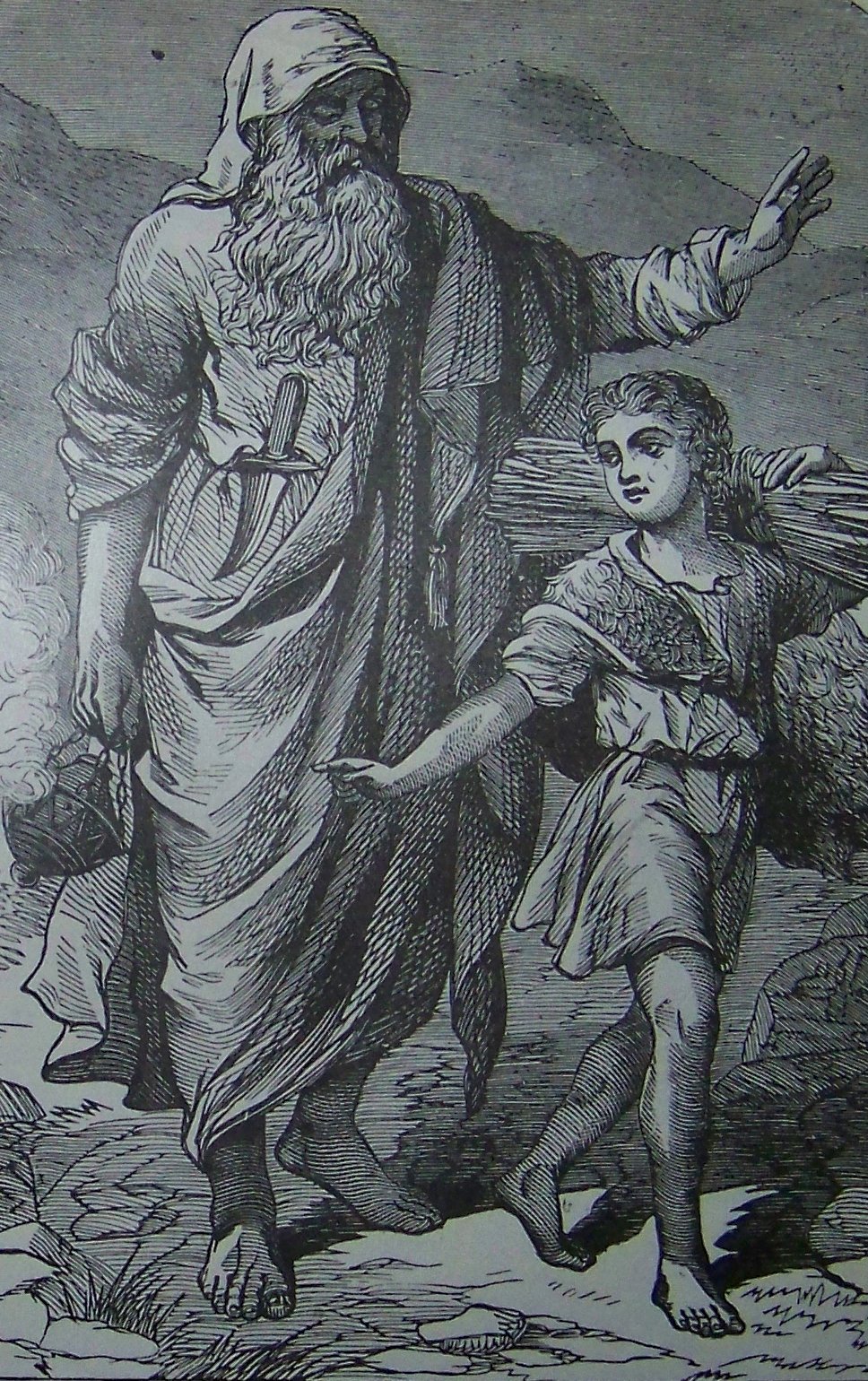
 I dare you to read today’s contribution to the “There’s No Place Like Home” series without tears streaming down your face. I can’t do it – every time I read Alex’s words, they strike the inside of me. Maybe because so much of our story is similar, and that I too have had to deal with resentment and bitterness over what is home – and especially what is the home of my children. I’m so glad to introduce Alex to you today, for she was part of an answer to prayer back when I first moved to the UK and was friendless. Grab a cup, or glass, of tea (hot or iced) as she shares her search for home.


 Alex Ward is a Scot currently living in Flower Mound, Texas, with her husband and two sons, both born in The Netherlands. She has recently completed a Masters in Gerontology (distance learning with Southampton University) and is contemplating how to make use of it now her boys’ days are filled with their own activities. She likes a good cup, or glass, of tea.
 The clock read 3.15 am. I swallowed, tasting the tinny residue left from the antibiotics I was taking for a lingering chest infection. My stomach rumbled. My mind refused to switch off as I mulled over future events. After a half-hour of tossing, I moved to the guest room, not wanting to disturb my husband. As I picked up Embracing the Body with its exploration of God in our bodies, I thought: “This is an enacted parable. Here I am trying to sleep, knowing tomorrow will be hard as I’ll be tired and cranky, and yet I haven’t tuned into what my wakeful body is telling me. I’m reading about embracing our bodies and yet my body is keeping me awake.”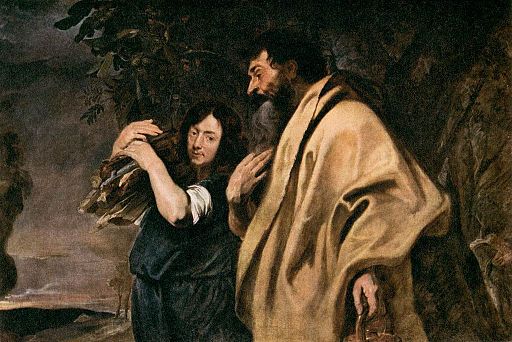


 Fiona Veitch Smith is a writer and writing lecturer, based in Newcastle upon Tyne. She writes across all media, for children and adults. Her children’s books

 3. Determine which publisher you’d love to work with
 5. Pray
 To prevent the children from exploding with excitement while they waited, we got into the habit of giving each of them a stocking full of small goodies to be opened in our bedroom at some unearthly hour on Christmas morning. (Eventually we trained them to bring us a cup of tea first.) Then one year, they bounced in not only with their own stockings, but with an extra one they’d made especially for us, complete with chocolates and the present shown on the left. It’s one of my most precious Christmas memories; not just because of the gift, but because of the love (and the plotting and planning) that went into it.
 Fiona Lloyd lives in Leeds with her husband, where she pretends not to mind that her three children have grown up and are moving on. She spends her working days teaching violin in local schools, and her spare time doing as much writing as she can get away with. She worships at her local Baptist church, and is a member of the worship-leading team. Fiona blogs at

