Even though I was once a blasphemer and a persecutor and a violent man, I was shown mercy because I acted in ignorance and unbelief. The grace of our Lord was poured out on me abundantly, along with the faith and love that are in Christ Jesus. Here is a trustworthy saying that deserves full acceptance: Christ Jesus came into the world to save sinners – of whom I am the worst. But for that very reason I was shown mercy so that in me, the worst of sinners, Christ Jesus might display his immense patience as an example for those who would believe in him and receive eternal life. Now to the King eternal, immortal, invisible, the only God, be honor and glory for ever and ever. Amen (1 Timothy 1:13–17).
The apostle Paul could have written the original “triumph over tragedy” story – the killer who was blinded by the light, transformed, and changed, and then sent to love the ones he had persecuted. Though his life was not one of smooth sailing, he never forgot who he had been, and who – and Whose – he now was. As he says to Timothy, he was once a violent slayer of God’s reputation. But now he was redeemed and renewed; one whom God promised eternal life because of his great mercy and love.
His reference about being the sinner-made-new shows the power of narrative and testimony, for as his life reflects, God can effect lasting change. He’s no longer a blasphemer or persecutor, but one filled with faith and love, and he cannot contain his worship for the God who saved him (v 17).
Whether our history reflects stories of betrayal and heartbreak or those of love and acceptance, we can join Paul in his song of praise for the One who deserves our honor and reverence.
For reflection: “But thanks be to God that, though you used to be slaves to sin, you have come to obey from your heart the pattern of teaching that has now claimed your allegiance. You have been set free from sin and have become slaves to righteousness” (Romans 6:17–18).
Walking by our local brook, including this view, brings me joy and restoration.
Today’s prompt for Five Minute Friday, restore, resonates with me strongly. As regular readers here will know, #MyOneWord this year is replenish. A time for filling up the stores that have been depleted from writing two books, completing an MA in Christian spirituality, and facing some other challenges. Yet as I talked with my weekly writing buddies yesterday, they reminded me (lovingly) that I have more replenishing to embrace. That although we’re halfway through 2018, I’m still doing a whole lot with my “regular” writing/speaking load. And that when 2018 ends, I won’t magically have reached a place of restoration. I’m a work in progress, and can look forward to the gift of filling up beyond this calendar year.
To cite one area of specificity, I’m realizing that replenishing has meant we’ve enacted a more limited approach to hospitality this year than previously. We love having visitors from foreign climes, but with my energy stores it’s just felt too much. Acknowledging that this is a season and that I’m not a failure because of needing boundaries is a good thing, although hard at times too.
How do you embrace the need to replenish and restore?
You can read another of my #fiveminutefriday articles on the theme of replenish here. To write your own and link up with the other writers, you can do so here. It’s a wonderful community!
By Leo Boucher. Used with permission. All rights reserved.
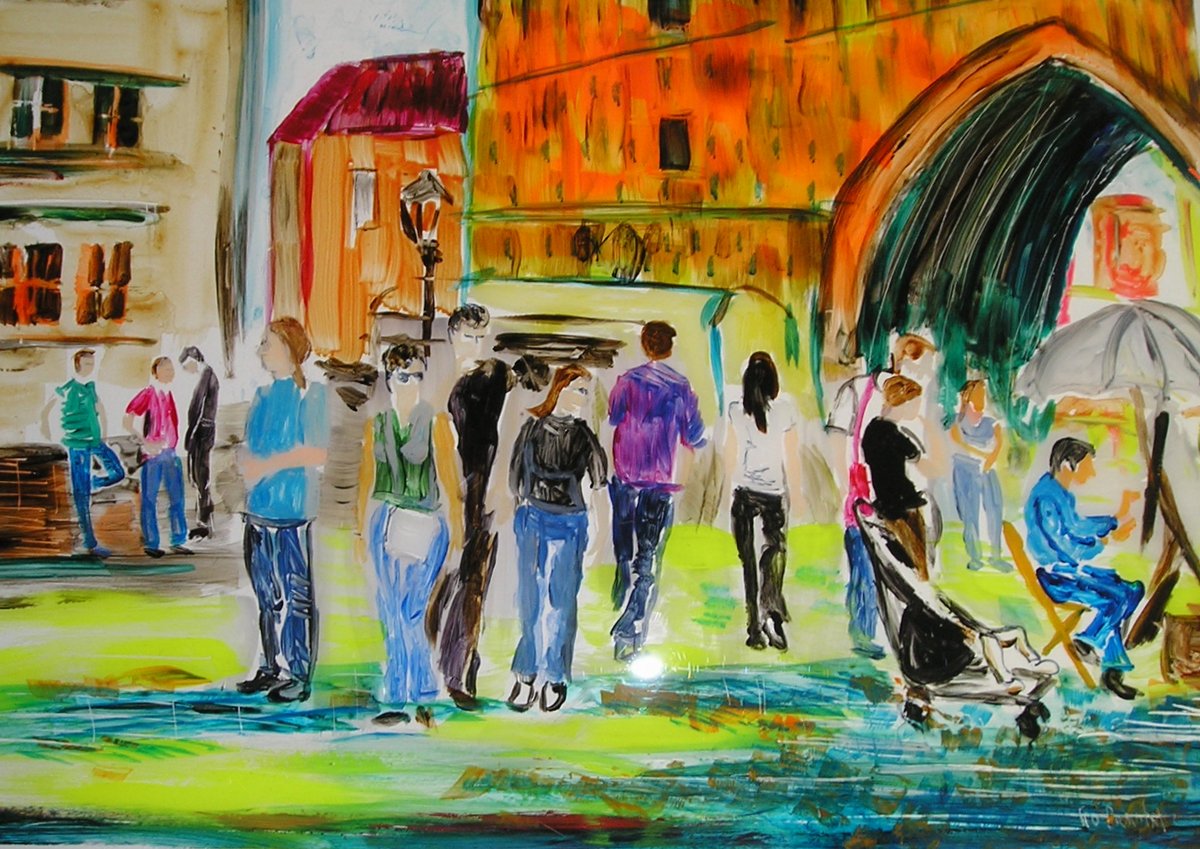
It’s that time of year when many Americans come to Europe for vacation/holiday, and the time when I see on social media the many graduations and proms. Schools are generally out now across the pond, while my kids have well over a month left of the daily grind. I remind myself of our regular breaks in the school year – the two weeks at Christmas and Easter, and the three half-term breaks of a year. It all evens out in the end. But I do remember fondly that feeling of the last day of school, with the long three months stretching out in front of me. I had the chance to get bored.
And so in the spirit of the season, today’s painting is of a European city with throngs of visitors – I’m thinking this might be Prague, but will have to ask my dad.
What holiday plans do you have? Any city breaks planned?
Painting by Blaffer Foundation Collection, Houston, TX, Public Domain
Time for a new devotional series! For the next few months, I will be sharing weekly thoughts based on 1 and 2 Timothy. We’ll explore how the Apostle Paul sometimes gets a bad rap as being misogynistic, harsh, and didactic. But perhaps he’s seen this way when people forget that we’re only reading half of the conversation, as Conrad Gempf points out in How to Like Paul Again. If we don’t consider the bigger picture, we might be confused as to why Paul would tell one church that they needed to tighten up (the Corinthians) whereas he tells another they should loosen up (the Galatians). When we delve more deeply into the clues in the letters and those in the book of Acts, we may grow to understand Paul’s heart and hopes not only for the gospel, but for the growth and flourishing of those in the early church.
In his letters to Timothy, Paul writes to a younger man whom he has mentored. In his first letter he knows that Timothy faces the effect of false teachers who are leading people astray. Such is the level of his concern that he uses strong language to encourage Timothy to root out the heresy and lead the people into the ways of truth and life. He instructs him about church life and how the leaders should live, and how they should treat the widows in their midst.
1 Timothy also contains a controversial passage where Paul forbids women to speak in church (2:11–15). I haven’t included it in our daily readings, partly because our space is limited – in contrast to the doctorate dissertations, articles, and books written on it. But I also don’t want to impose my view on you in your daily engagement with the Bible.
As we’ll see, Paul wrote his second letter to Timothy after his letter to Titus, when he was still concerned about the influence of false teachers. By the time of this final letter, that crisis seems to have passed, but Paul faces execution in Rome at the hands of Nero. His letter to the man he mentored, whom he now sees as an equal, contains his last words. He sums up the charge he leaves Timothy with as he embraces his final homecoming.
I pray our journey into these pastoral letters will enrich, challenge, and encourage you.
As I urged you when I went into Macedonia, stay there in Ephesus so that you may command certain people not to teach false doctrines any longer or to devote themselves to myths and endless genealogies. Such things promote controversial speculations rather than advancing God’s work – which is by faith. The goal of this command is love, which comes from a pure heart and a good conscience and a sincere faith. Some have departed from these and have turned to meaningless talk. They want to be teachers of the law, but they do not know what they are talking about or what they so confidently affirm (1 Timothy 1:3–7).
False doctrines, myths, and endless genealogies – the apostle Paul instructed Timothy to stay where he is so that he can speak against the teachers who, as Paul’s says clearly, don’t know what they’re talking about. Paul doesn’t mince his words when naming the truth about others spreading falsehoods, but neither is he overly concerned with rules for rules sake. What he’s most keen to stress is love, which he says is the goal of the life of faith.
I wonder what Paul would say to Christians today. Have we, on the one hand, become too worked up over naming false teaching? Or on the other, have we embraced myths and thus utter meaningless talk? Or do we land somewhere in between? No doubt we all veer one way or another at times, and therefore we need a dose not only of humility but of the indwelling of the Holy Spirit to keep us walking in step with God.
We can ask the Lord to make love our goal, helping us keep a pure heart, a good conscience, and a sincere faith. As he molds us, he may gently reveal the stances we grasp too strongly or the areas in our lives in which we need to tighten up. His correction is soaked in love, not condemnation, making it all the easier to welcome and receive.
Prayer: Purify my heart, Lord, and cleanse my conscience, that my works might bring you glory and spread your love.
In England, for reasons I’m not completely aware, windows do not come with screens to keep out insects. So often in the summertime, when I’m sitting in my study by the window, a fly or a bee will come in, uninvited. Their buzz will distract me, and I may silently, or even verbally, tell them to be gone. Sometimes they actually obey. Sometimes, not.
In our fallen world, we encounter pests of many kinds, for things in creation are not as God made them to be. Including stalkers, which was a topic of conversation during my weekly video chat with two other writers. I shared about how once I had a mild experience of someone who disagreed with something I wrote (I think she took exception with my spelling of, “A Cuppa and a Slice of Pye.”) She contacted me every which way she could for several weeks. I never felt in any danger, but rather likened the feeling to having a gnat near me. Annoying and distracting, yes, but not overwhelming. After a couple of weeks, she left.
What distractions or irritants face you today, as a buzzing fly? Can God give you the forbearance to endure them?
By Leo Boucher. Used with permission; all rights reserved.
My parents both grew up on farms in the Midwest of America. Both learned the value of work, that continual work wrought by cows that need to be milked every day and animals fed and watered. They instilled in me the satisfaction of a job well done, whether a clean carpet or a writing project. I sometimes fear I am too soft on my kids in comparison – will they too love to work?
Yes, work has been affected by the fall of humanity, where now we will toil and labor with sweat and pain. But humanity was to subdue creation before the fall, so we can infer that work can be good and meaningful. We’ll always live in that tension of living in a world that is made for beauty and enjoyment but one affected by sin and disease, and our relationship with work reflects that tension.
…Clothe yourselves with compassion, kindness, humility, gentleness and patience. Bear with each other and forgive one another if any of you has a grievance against someone. Forgive as the Lord forgave you. And over all these virtues put on love, which binds them all together in perfect unity. (Colossians 3:1–17)
We come to the end of our exploration of the fruit of the Spirit, as we reach one of my favorite passages from Paul’s letters. Lately I’ve been considering it from various angles through James Bryan Smith’s fine Hidden in Christ. He shows how this chunk of Scripture is foundational for our life in Christ as he examines it through single words: chosen, forgive, walk, beloved, clothes, thankful…
We see in this passage another list of vices and virtues, similar to what we explored in Galatians. Paul employs this device of using the contrasting lists, which was common to ancient Greece, but he roots it in the believer’s life in Christ. That is, transformation comes through Christ living in us. We are changed as we put on these clothes of Christ – compassion, kindness, humility, gentleness and patience, and crowned again by the greatest, love.
And again we see Paul’s theme of the old self and the new. As we die to our old nature, whether riddled with anger, selfishness, sexual sin or other, we embrace the new. We practice the spiritual disciplines – living as new creations means we embrace change and are always growing and learning and becoming more like Jesus.
We’re all at different points in our journey of discipleship. A friend of mine said that recently she was nearly hit by a car, and she was more surprised that she didn’t utter a long list of swear words in response than not actually being hit. That’s change. Another friend suffers from ME and although bedridden, emits the fragrance of Christ through her intermittent online communications.
You too can play, “Spot the fruit.” Today and this week, train yourself to notice the fruit you see exhibited in those you meet, online or in person. If appropriate, encourage them. After all, we’re all in this together.
Prayer: Lord Jesus, as you inhabit me, help me to bear fruit. I want to be more gracious and kind; compassionate and loving. Let me live from the new self. Amen.
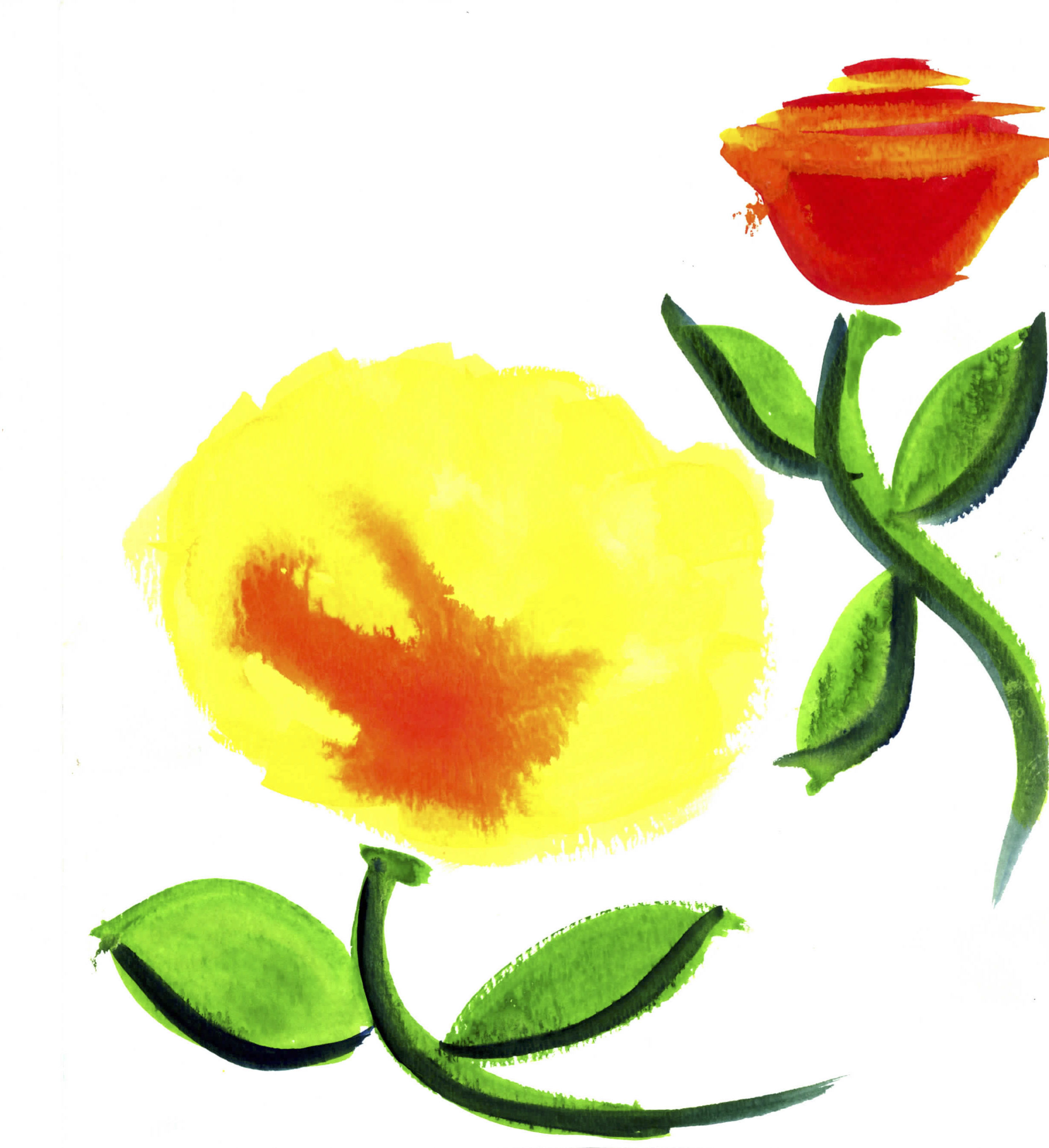
Just a few brushstrokes and a painting is born. I don’t have the confidence to paint in this way, but I appreciate others who do.
Flowers bring beauty into our days, as we stop to pause, breathing in their scent and taking a moment to reflect. I often post photographs on my Intsagram feed of flowers and other things in creation as a discipline of seeing and noticing beauty.
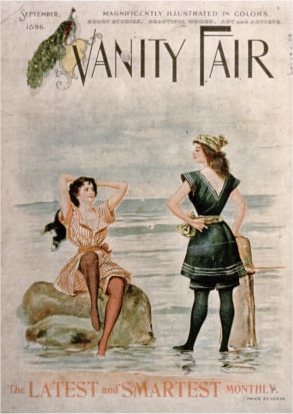
As I wrote in a previous post, I read Tina Brown’s Vanity Fair Diaries with some fascination and yet a sense of repellence. Two areas in particular gripped me: the first, her take on editing and what makes good writing, and the second, her thoughts as a Brit living in America on finding home (which I wrote about here). My thoughts are in italic, interspersed with extracts from her book. As I read an advance copy in ebook format, I don’t have page numbers to share.
One part of the diaries that I didn’t enjoy was the name-dropping, but mainly I wondered about the diaries’ veracity. Not that she was lying, but how she wrote them. For instance, how did she fit in the writing of these diaries into her Very Important Life? I felt like she was keeping the diaries for future publication, crafting her experiences even as she was living them with the rearview mirror in her sightline so as to shape the final product into something saleable. As she says below, her retirement pension.
Ed Victor walked into my office in a burst of good cheer and told me that at the ABA the editor in chief of Crown had told him he would pay in the region of 250K for a novel by me! The catch is, I have no time to write it. Ed said, “I hope you’re still keeping a diary. I see it as my retirement pension.” Wish I did have time to write a book. I’ve always thought my “outer life” was research for the day when I’d just withdraw and write about it. The only reason I go out is observation greed. Churning through the cast of New York society, I see it as the ever-moving slipstream of a novel. At Billy and Jane Hitchcock’s dinner in Gracie Square the careless beauty of the rich was never clearer. Amanda Burden’s slim, fragile shoulders in a red chiffon spaghetti-strapped dress and biscuit-colored legs. Bill Hitchcock’s big jaw and opinionated mustache…
At times she’d throw in a line like the one below that would jar me, waking me up out of my stance as a reader as I’d feel it lacked authenticity. I wrote a note in the margin: “So cheesy.”
I want our child to be conceived here, I want this to be our special place where I can be with Harry always.
As one with a long background in publishing, I appreciated her thoughts on writing and its business. Such as:
Deadlines are a great antidote to insecurity.
I suggested what I always do to encourage first-timers: Just write as if in a letter to me, pour it out and we’ll help knit it together; not to worry about structure.
How does one become a writer? You can learn the tricks of the trade, but you have to have an innate quality, I think, of being aware and curious:
He seems to me such a natural writer. You can teach people structure and how to write a lead. But you can’t teach them how to notice the right things.
And as she says, many editors and writers are introverts, but need boot-to-bum to get out of the chair and go experience and observe life:
Ed Epstein told me that when Clay Felker was editing he would walk by each desk at lunchtime and say, “Why aren’t you out?” It’s essential if you are an editor to do so, and being an introvert by nature, I remind myself of this each time.
Photo: Nic McPhee, flickr
She describes one of the hardest decisions I faced as a commissioning editor:
The real agony of editing is not the bad piece versus the good piece. That’s easy-kill one and publish the other. It’s the borderline piece that is the source of woe. The piece that’s perfectly good, inoffensively unexceptional, just okay, usually written by someone who’s an almost friend or an iconic name or a writer who just didn’t give their best this time but might well in the future. I have no fear of rejecting the bad and prefer to do it fast. But borderline pieces bring out the worst in me. Out of weakness I sometimes first assent, then think better of it, then am tormented by something I truly want to put in its place, then, as more of the really good surges in, ultimately eject it, making an enemy forever and wishing I’d had the discipline to just let it hide there among the good stuff as an investment in the future.
What makes a good editor? I agree with her thoughts below, which is why I found that meeting a potential author in person and spending time with them, say, over lunch, was so very important and necessary. I loved collaborating with authors, helping them uncover buried passions or give voice to what they wanted to say.
An editor’s job is to make people say yes to something they hadn’t thought they could do. I love getting to know writers and listening to what turns them on, which is often the direct opposite of what we had originally started to talk about. So often what they are actually known for doing doesn’t reflect what they should be doing.
And I agree with the sheer joy of editing, of making prose sing, of reducing the unnecessary words:
I’ve always loved the routine aspects of editing, the poised pencil, the swift identification of the lines that have to go, the insert that will make it sing, the rewarding moment when you see that the whole thing should start on page nine and flip the penultimate paragraph to the top of the piece, and all you want to do is call the writer immediately and tell him or her why.
Yes – writers need editors:
Surely what The New Yorker needs to be is not just a “writer’s magazine” but a reader’s magazine, because writers, unless guided and edited and lured out of their comfort zones, can go off-piste into dreary cul-de-sacs of introversion and excess and entirely forget about questions of content and pace.
But editors are often undervalued:
Writing brilliant sentences (and editing them) does not have the market value of writing brilliant code, even though, as we learn every day, critical thinking is the DNA of democracy.
If you’d like to read some of my other posts on writing, you can find them in my FAQs page, toward the bottom.
What strikes you from Tina Brown’s memoirs, on the topic of writing and editing?
…bearing fruit in every good work, growing in the knowledge of God, being strengthened with all power according to his glorious might so that you may have great endurance and patience, and giving joyful thanks… (Colossians 1:9–14)
Paul probably penned the letter to the church at Colossae from prison in Rome, although scholars don’t agree on this point. He didn’t actually plant the church in Colossae – the convert Epaphras did. Paul wrote the letter to these unknown Christians, however, after Epaphras travelled to Rome to be with Paul to seek advice about the Colossians falling prey to false teaching.
Paul seeks to refute the heresy by holding up the supremacy of Christ; in Colossians 1:15–20 he includes what may be an early Christian hymn (“The Son is the image of the invisible God…”). He and Epaphras pray earnestly for the church, that they would hold fast to the gospel. He says that as they receive from God, they will be able to live in a way that pleases him, noting four ways in particular: bearing fruit in every good work; growing in knowledge; being strengthened for endurance and patience; giving joyful thanks.
These four marks of godly living reflect God’s radical renewal in our lives – he’s the one who makes us to bear fruit, to grow in understanding, to have the ability to endure, and even to give thanks. We can’t magically generate these qualities, but they emerge within us through the work of the Holy Spirit. As we die to our old self, we put on the qualities of the new.
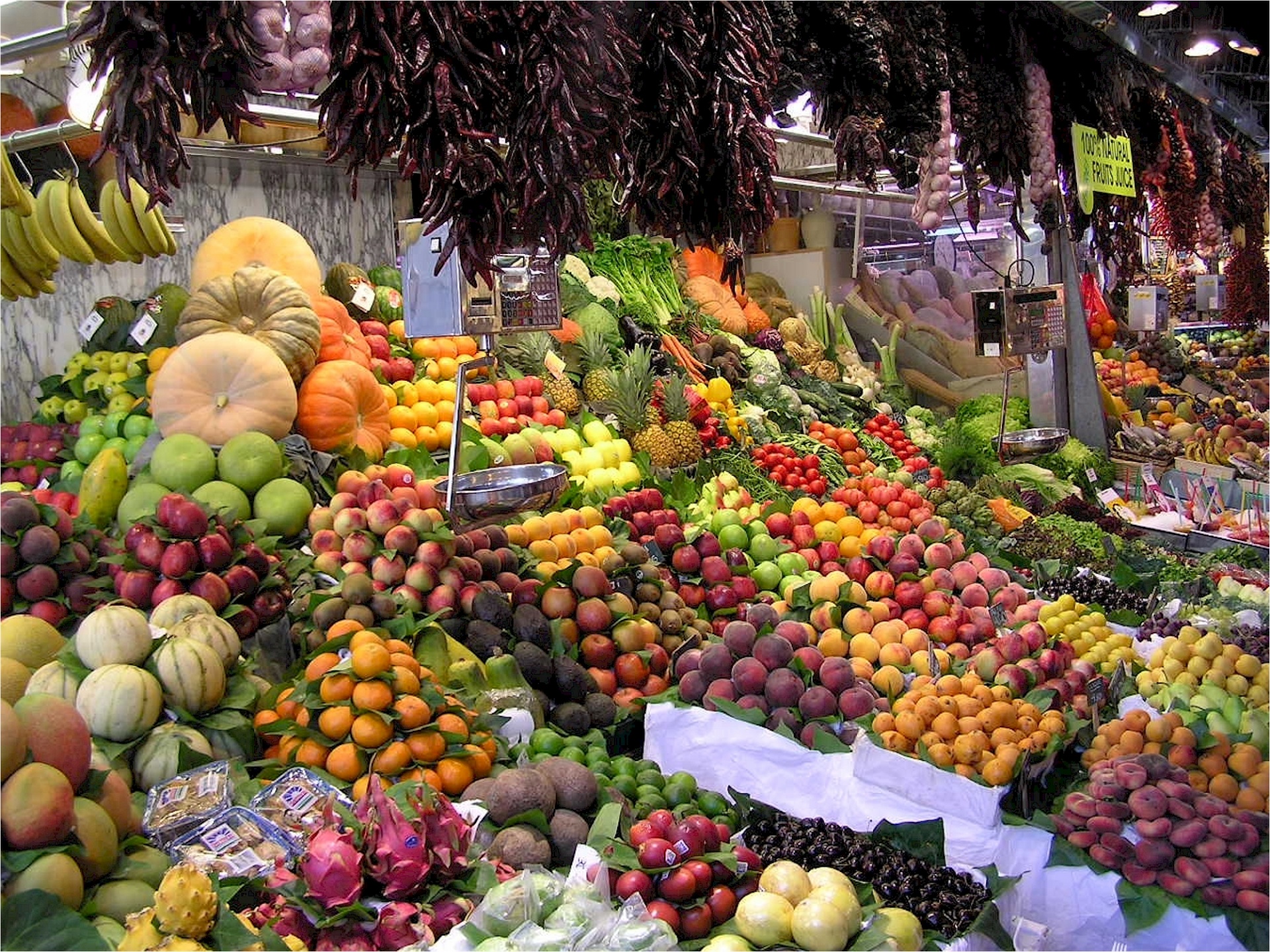
During our time of thinking about the fruit of the Spirit, have you stopped to consider an actual piece of fruit? After all, some perfectly ripe fruit – organically grown – bursts with flavor and goodness. Not only does it bring us energy and nutrients, it also brings us pleasure. Think about how your good works, birthing succulent fruit, bring joy to your Creator.
Prayer: Lord Jesus, may I always be connected to you – the vine – that I may bear fruit that lasts. Amen.




 I share more of my story of finding myself in this wild world of the United Kingdom in my book Finding Myself in Britain. You can find out more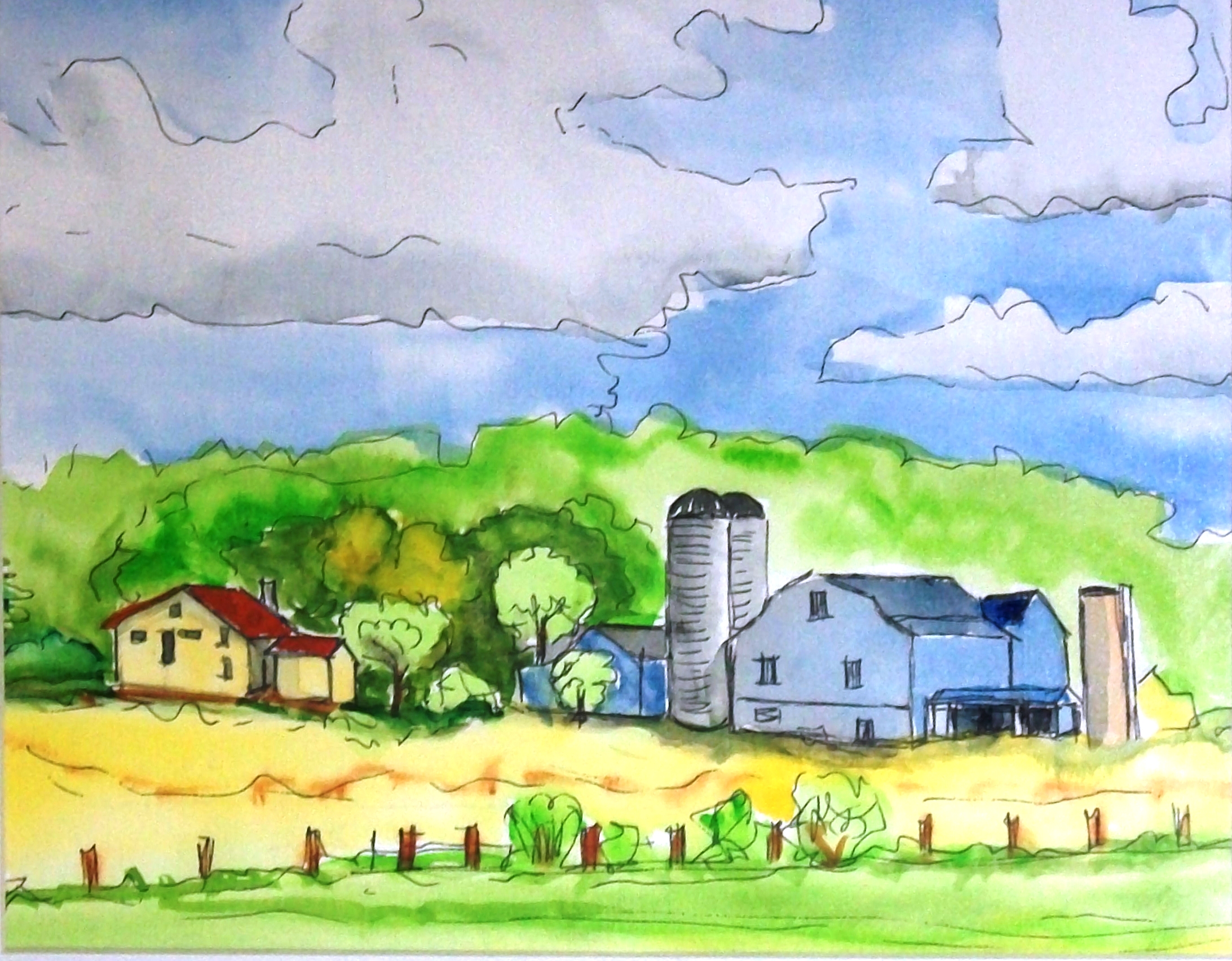

 And I agree with the sheer joy of editing, of making prose sing, of reducing the unnecessary words: