Author: Amy Boucher Pye

  • Interview with Rob Parsons

    _JON5176The sub-title to The Wisdom House is “Because you don’t always have to learn the hard way.” In the book I imagine my five grandchildren coming into my study one at a time, not as the little ones they are now, but as the adults they will become. We get the chance to talk as we sit in the two armchairs in front of the fire.

    Perhaps these conversations take place when somebody had broken their hearts, or when they are going for their first job or buying their first home. Maybe they happen after they have been betrayed by friends or when they need help to piece back together a dream somebody had trodden over. Our talks are based on some lessons I have learned personally, but most are lessons I have heard from those far wiser than me.

    It is true that we live in a consumer society, but I believe that in our hearts we crave something more than quick-fix answers. What we really long for is wisdom that will help us not just to get through life, but to thrive in it. Wisdom is not based on IQ, wealth or apparent success. In fact, unusually in modern society, it is something that is truly available to everyone. All you need is some time to listen and a little humility.

    Out of the fifteen books I have written, The Wisdom House is the only book that I really enjoyed writing. I am so grateful for the privilege of writing, but I do find it hard work. With speaking there is still a lot of preparation involved, but it comes more easily to me. So if I had to choose between writing and speaking, it would be speaking.

    The original idea for the Sixty Minute… books was that they could be read in an hour. But I think the essence of that series is that the books are not only short, but down-to-earth, and although they contain elements of my faith they are accessible to everyone – those of all faiths or none. People sometimes say to me, “When I read your books you don’t teach me one thing I didn’t know already, but you turn lights on for me.” I know that critique wouldn’t be enough for Stephen Hawking, but I’ll settle for it.

    Rob Parsons - The Wisdom House High ResMany so-called ‘prodigals’ had never turned their back on God but on something else. This is what I found through talking to people at the Bringing Home The Prodigals events across the world. I began to think about what that something might be, and it led to my writing Getting Your Kids Through Church Without Them Ending Up Hating God. I believe in the local church – I attend my local church almost every Sunday – but I think there are lessons we can learn that will make it harder for our young people to walk away and, if they do, make it easier to return. The response to the book has been very positive and we also have a course for use in church homegroups.

    I can’t wait to write the next book in The Wisdom House series – in fact, I have already started!
  • Spirituality – what is it?

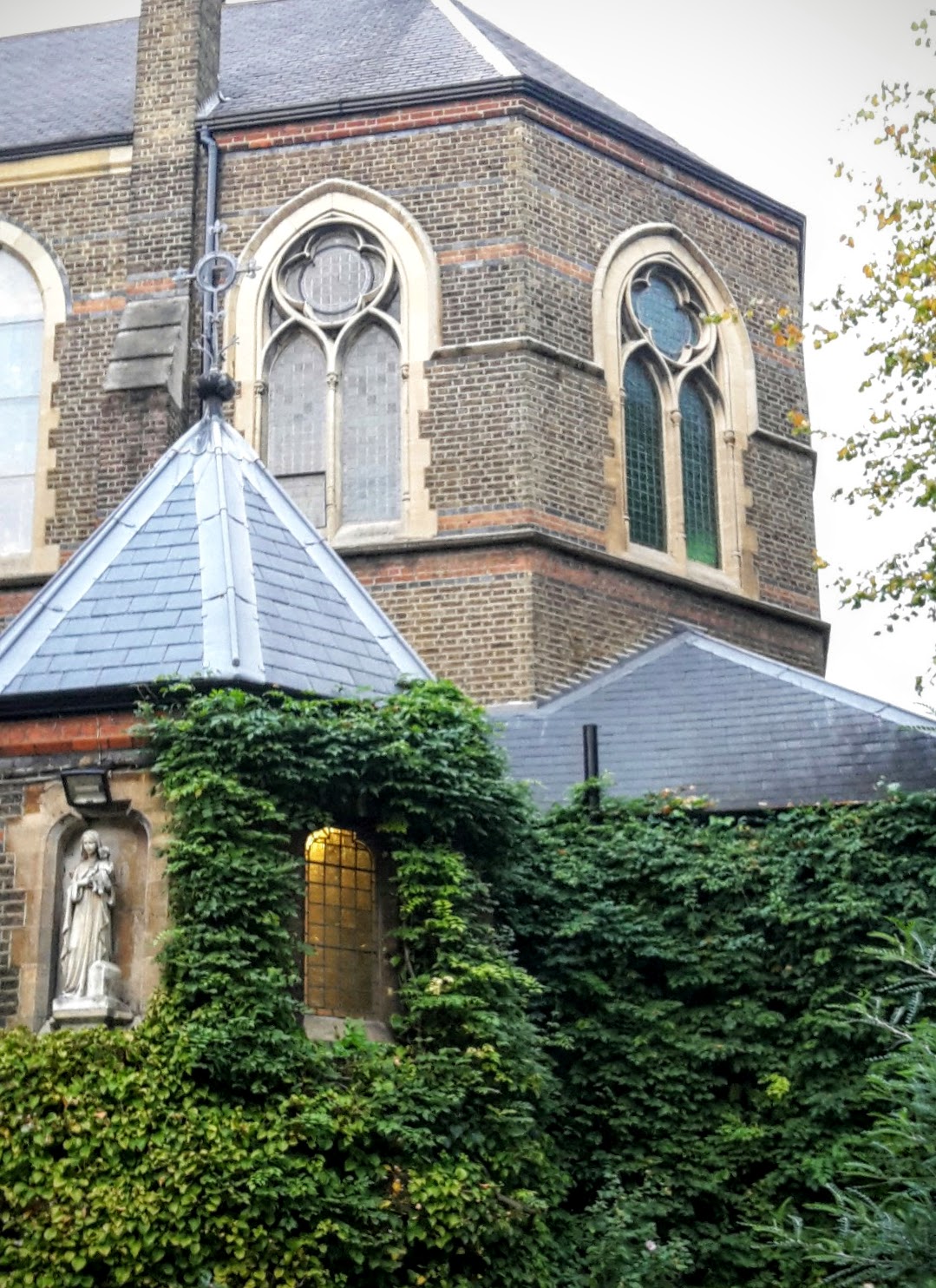
    Inside Heythrop College, a delightful area in Kensington, London, that you'd never guess was there if you didn't know otherwise.
    Inside Heythrop College, a delightful area in Kensington, London, that you’d never guess was there if you didn’t know otherwise.

    As I take a short break from reading a heavy text – some fifty pages about what a classic is – I consider this new venture of studying and reading in pursuit of a master’s degree in Christian spirituality at Heythrop College, part of the University of London. In one sense I’m not too bothered about the degree in and of itself – who I am at the core won’t change with some letters behind my name. But the degree invites me into the academy, and I’m finding that rather exciting, to my surprise. For as I start to learn the academic language and lingo, I find myself in conversation not only with my fellow MA students, but with the thinkers who make (and made) this their life work. I’m opening the door to another world; a place of conversation and definition and struggle and understanding.

    In this first term of study, before we get immersed in primary texts, we’re looking at the definition of what is spirituality. I’ve been itching to get at the classics themselves, but as we go along I’m understanding why we need to spend half of a term on definitions. We all might not agree on what spirituality is, but we all need to have the tools to discuss the subject. And in a university setting, we need publicly available sources with which to have a discussion – we can’t rely on personal experiences. But lest I despair that this is a mere intellectual experience, I’m assured that we can engage personally with these sources; for instance, we can “converse” with Julian of Norwich or Theresa of Avila.

    Last week I put our lecturer, Dr Edward Howells (who is fantastic, by the way) on the spot, asking that if he had to make a simple definition of spirituality, what would he say? I like his answer in its simplicity but depth:

    A way of seeing all of reality.

    What do you think of when you hear the term spirituality? Are you “spiritual but not religious”? Are all people spiritual? How do you express your spirituality?

  • Recipes for Feasting – Finding Myself in Britain

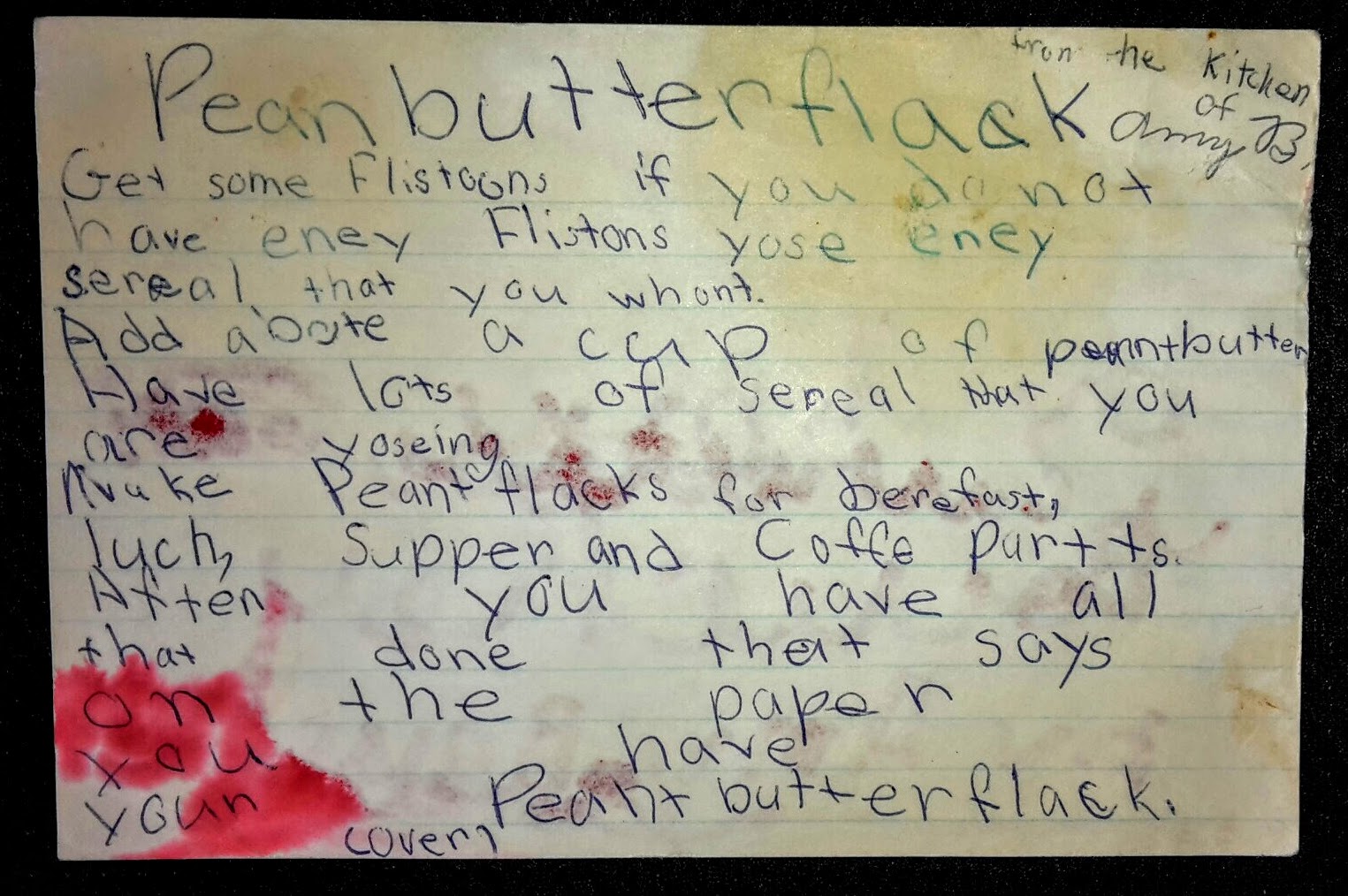
    My first recipe! Yep, suitable for coffee parties...
    My first recipe! Yep, suitable for coffee parties…

    Writing Finding Myself in Britain held many surprises for me. That may sound odd, for you may think, you’re the writer! But that’s the joy of the creative process – things bubble up out of seemingly nowhere, and those helping to birth the book-baby can see hidden things that should be brought into the open. Such as lovely Michele Guinness.

    I wept when I first read her foreword to the book; it felt like Christmas and my birthday all wrapped into one as her words washed over me and touched me deep within. In the email she wrote when she sent me the foreword, she included one little line that I could have skimmed over:

    Really wanted you to put all your recipes at the end!

    Yes, I thought, what a good idea. And so began what turned out to be hours of assembling the family recipes for the various feasts and festivals, along with many phone calls to my mom to make sure I had the instructions down clearly. My editor Jennie Pollock was a Briton who had lived in America, so she was helpful in clarifying things further, as was a friend who was becoming a chef, who helped me realize even more Americanisms that I needed to clarify. And then Becky Fawcett, who did the final copyedit/proofread, went the extra mile and tested out many of the recipes and brought my sometimes erratic measuring system into line. I’m so grateful.

    Here’s what you can look forward to with the recipes in Finding Myself in Britain:

    • Thanksgiving Feast
    • A VW (vicar’s wife) After-Church Buffet
    • Christmas Eve Feast (with Christmas cookies)
    • A Festive Easter Brunch
    • A Fourth of July (or Father’s Day) Barbecue
    • An Extra Helping (bonus recipes)

    To whet your appetite, below is a recipe excerpted from Finding Myself in Britain for next month’s American Thanksgiving feast, which yes, I will certainly be making.

    Minnesota Wild Rice

    To me, Thanksgiving wouldn’t be Thanksgiving without Minnesota wild rice. It’s not actually a rice, but a cereal grain that grows in the many fresh, cool lakes in northern Minnesota. For centuries, the native peoples in Minnesota have harvested this grain by hand, travelling throughout the lakes by canoe. Look for it in large supermarkets in the UK, but for this recipe avoid buying the packets combined with white rice.

    Serves 10

    • 2 1/2 cups (450 g) wild rice
    • 4 cups (1 litre) stock, either beef, poultry, or vegetarian stock
    • 3 sticks celery, sliced
    • 1 onion, chopped
    • 
2 cups (225 g) chestnut mushrooms, thickly sliced
    • Olive oil

    Soak the rice for an hour in cold water, then rinse and drain. Sauté the celery and onion in a large pan with the olive oil until soft, then add the rice and stock. Bring to the boil and simmer for 45 minutes to an hour, until the rice is tender and most of the liquid is absorbed. Add the mushrooms and cook at a higher heat for the last 5 minutes, until all of the liquid has evaporated.

    20151020_114337

  • Should We Celebrate Harvest?

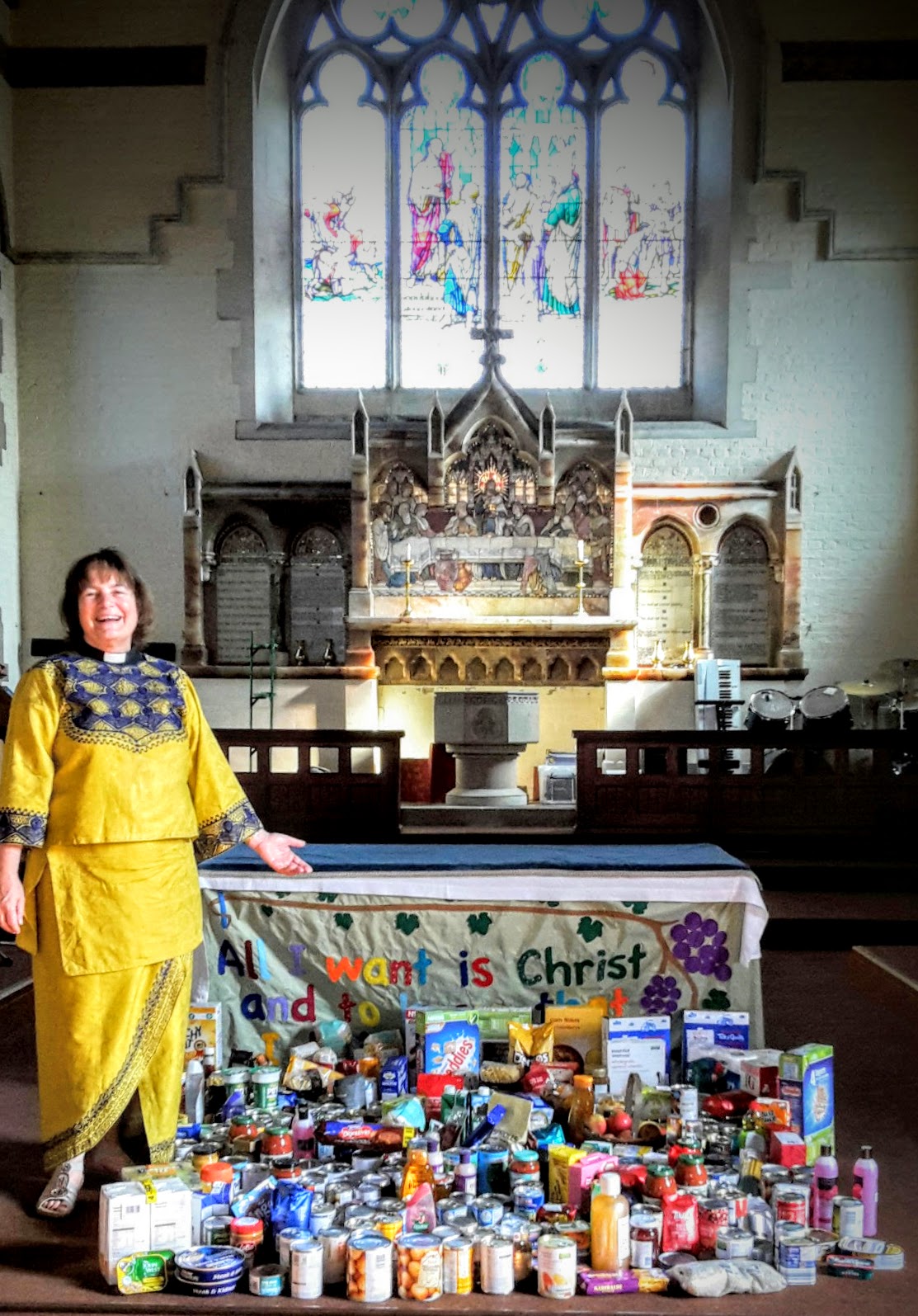
    Revd Mavis Crispin, our associate rector, with the Harvest gifts.
    Revd Mavis Crispin, our associate rector, with the Harvest gifts.

    “Tell her about the flower wars,” she said to her fiancé.

    He paused, looking thoughtful, and shared the antics related to flowers and the church.

    A big wedding took place in a church in Jersey, and a local group – which had won awards at the Chelsea Flower Show – arranged the flowers. They created gorgeous displays of white lilies and roses; flowers eminently suitable for a wedding. When the former head of the Women’s Institute (WI) entered the church, she determined that the lilies and roses should stay for the following week – even though fourteen different individuals and groups were already planning their arrangements, because the following week was none other than Harvest, one of the big festivals in the church calendar.

    But the former head of the WI was not actually in charge of the flowers, and in handing down this edict, was stepping on toes. Feelings were hurt as the words flew between various parties, with the rector getting roped into sorting through the mess. He ended up spending an hour every day that week before Harvest with pastoral visits and phone calls as he tried to mop up the pieces and satisfy the warring factions.

    A compromise was reached, but it was less than satisfactory. The lilies and roses stayed, but wilted after a week of war. The amateur flower-arrangers added bits and bobs to the wedding scene, trying to make it more harvesty. It was, admitted one, “A mess.”


    Harvest wasn’t a festival I was familiar with before coming to the UK, and it took me many years to realize the obvious – in the States, we celebrate Thanksgiving as the adapted Harvest celebration (after all, the Pilgrims were stopping to feast and give thanks for the harvest).

    We celebrated our Harvest festival a few weeks ago in church, and as you can see in the photograph, we received a bounty of food to pass along to our local food bank, whose stores had been depleted.

    But writer Tanya Marlow wonders if we’ve got it wrong when it comes to celebrating Harvest. Have we started off with good intentions – such as the former WI leader in Jersey – but what results is less than satisfactory, or worse? In a wonderfully provocative piece for the Christianity magazine blog, she says:

    I wonder if in our Western schools and churches, Harvest Festival should be a festival of repentance, not thanksgiving. We should be weeping for the gluttonous plenty we have while workers around the world die in unsafe factories making our bargain clothes, and children are deprived of schooling because they are growing crops for our under-priced food.

    Read her piece; what do you think? Or what about the idea of author Marion Stroud, who recently died and must be enjoying the biggest Harvest ever:

    Why don’t we, though, think in spiritual terms about the church and the harvest, in terms of what we’ve seen God bring to fruition and what seeds we want to plant in the coming year?


    Finding Myself in Britain contains a chapter that looks at Harvest and Thanksgiving, as well as some of my favorite recipes for the Thanksgiving feast. 

  • Devotional of the week: Identity (3 in Luke 4 series)

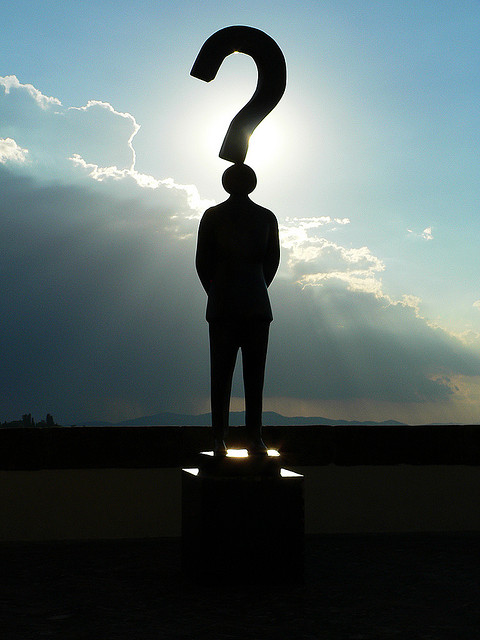
    Photo: Marco Bellucci, Flickr
    Photo: Marco Bellucci, Flickr

    “If you are the Son of God…” Luke 4:3

    “Do you really think you’re a writer?” In my journey of stepping in to being a writer, having been an editor for decades, I would sometimes hear this question in my head – through self-doubt, or through how I interpret criticism, or perhaps even from the evil one. My path to becoming a writer has been long, for only after many years as an editor did I venture into writing – and then with fear. And yet being an author forms part of my identity – as well as being an editor, and more importantly as God’s beloved, a wife, mother, daughter, sister, aunt, friend…

    Here Satan starts his series of temptations by questioning Jesus’s identity, saying, “If you are the Son of God, then…” He’s asking Jesus to prove who – and whose – he is, even though I’m guessing the devil already knew the answer.

    How different are the words of God the Father. After Jesus was baptized by John the Baptist, a voice from heaven says that this is God’s son whom he loves (Matthew 3:17). And later, when Jesus and two of his disciples are praying on a mountain and Jesus radiates God’s glory (the transfiguration), similarly a voice says, “This is my Son, whom I have chosen; listen to him” (Luke 9:34). God’s words affirm Jesus’ core identity, while Satan’s seek to undermine it.

    Might there be parts of your identity that you have yet to accept?

    Prayer: Heavenly Father, thank you for your words of love and that we are your children. May we never waver from our central identity as your beloved. Amen.

  • Finding Myself in Britain (The Kingdom Life Now)

    Finding Myself in Britain cover copy (1)I didn’t know that the fairy tale would be so hard. After all, my dreams had come true – I had finally found my prince, a man who loved the Lord and loved me. The courtship and engagement whirled past in a rush of plans and excitement. I knew I’d have to quit my job and leave America to join him in his native Britain, where he was studying to become a minister, but I figured, how hard would that be?

    Turns out, harder than I could have guessed. After the flight and drive from Heathrow, with me recovering from the flattening case of flu I caught while on honeymoon, we made it to our tiny student accommodation in Cambridge (called “The White House,” no less). I excitedly unpacked my bulky desktop computer, wanting to connect with people back in the States (this was before the ubiquity of smartphones or even wireless internet). But after I pressed the power button, I heard a whoosh. In an instant, my Macintosh died, the victim of different power supplies and me not switching a button at the back between 110 and 220 voltage. I collapsed into floods of tears.

    Losing my computer started off me on a tough transition into my life in the UK. I was with the man I loved, living in a charming part of England with the boats floating down the River Cam, evensong at King’s College under the famous fan-vaulting ceiling, and a daily market with the fruit-and-veg sellers calling me “love.” But I felt rocked at the center of my being.

    Read the rest over at The Kingdom Life Now magazine

  • Longing for Home

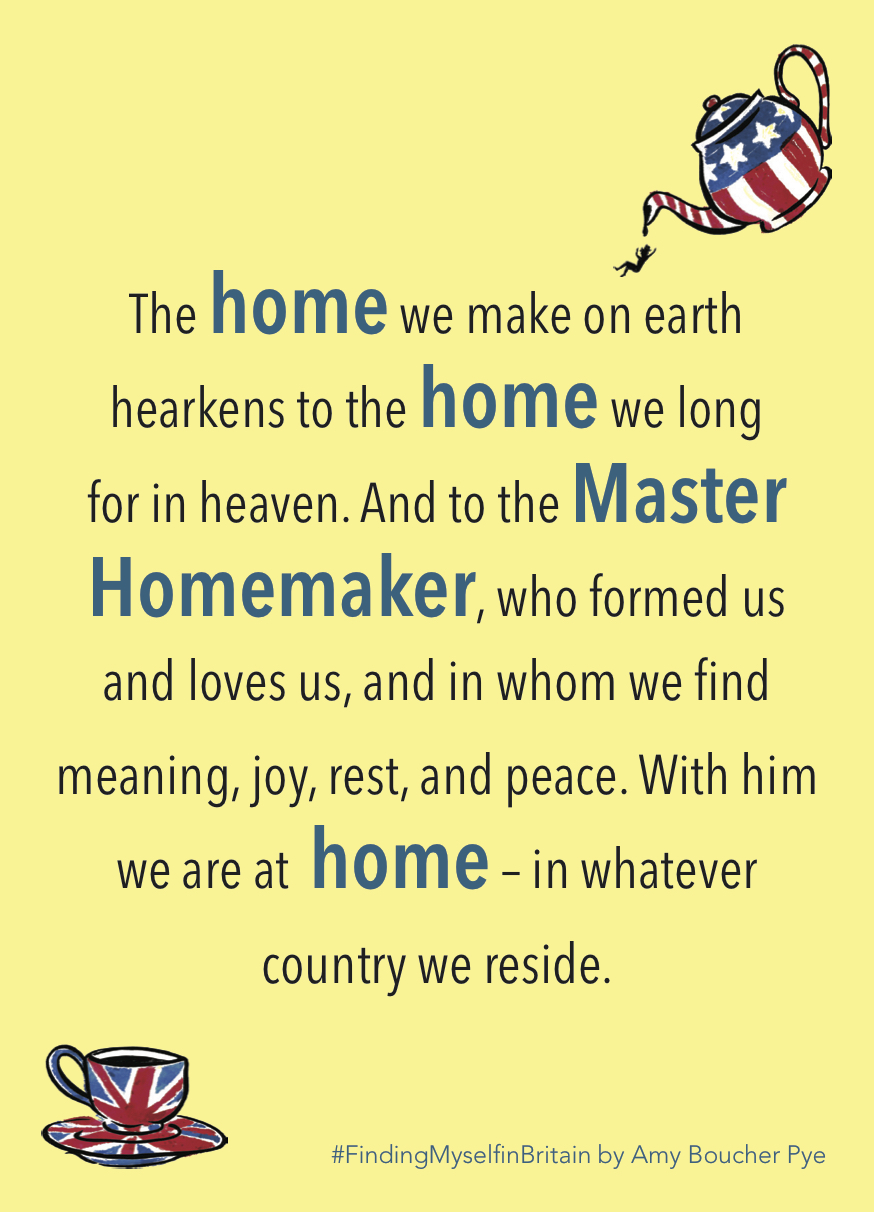
    FMIB Quotes 1 & 2_Proof 2 jpegA recurring theme in Finding Myself in Britain is the longing for home. What is home? How do we find or create it? What do we define as home?

    When Nicholas and I first married, we agreed to call the place where we were living “home.” Not only did this help us in the biblical injunction of “leaving and cleaving,” (leaving one’s family of origin as a new family is created) but it aided us emotionally. If someone asked me, a newcomer to the UK, when I was “going home,” I’d say, “I am home! But I have a trip to the States planned in…” The words we use can help us define our emotions – we sometimes have to educate our feelings.

    Home is a lovely concept – I think of my parents’ home in Minnesota, which although isn’t my home any longer does feel like home, with its lack of clutter and ultra clean space to feel comfortable in while chatting to my family, or the screened-in porch in which to sit and watch the passing deer and wild turkeys (yes in the suburbs of St. Paul!). Or I think of the top floor of a house in Philadelphia where dear friends lived while studying at Westminster Theological Seminary, where I spent many a Thanksgiving. It was only two rooms – and the dishes were washed in the bathtub – but the rafters reverberated with refrains of songs and laughter. Or I remember the historic (for America) house I worked out of for many years and the lovely family who dwelled there, complete with my favorite black lab/golden retriever. On this side of the Atlantic, I picture the homes of dear friends and the meals shared around their tables.

    I could continue in my list, but these places are personal and won’t evoke the feelings of home in you that they do in me. But a common theme of these places where I’ve felt at home lies in the people who make them homey – their welcome, love, grace, and open hearts. They who follow the Master Homemaker bring his kingdom to earth in the homes they create here.

    Where do you find home?

  • The Day They Buried Diana – Finding Myself in Britain

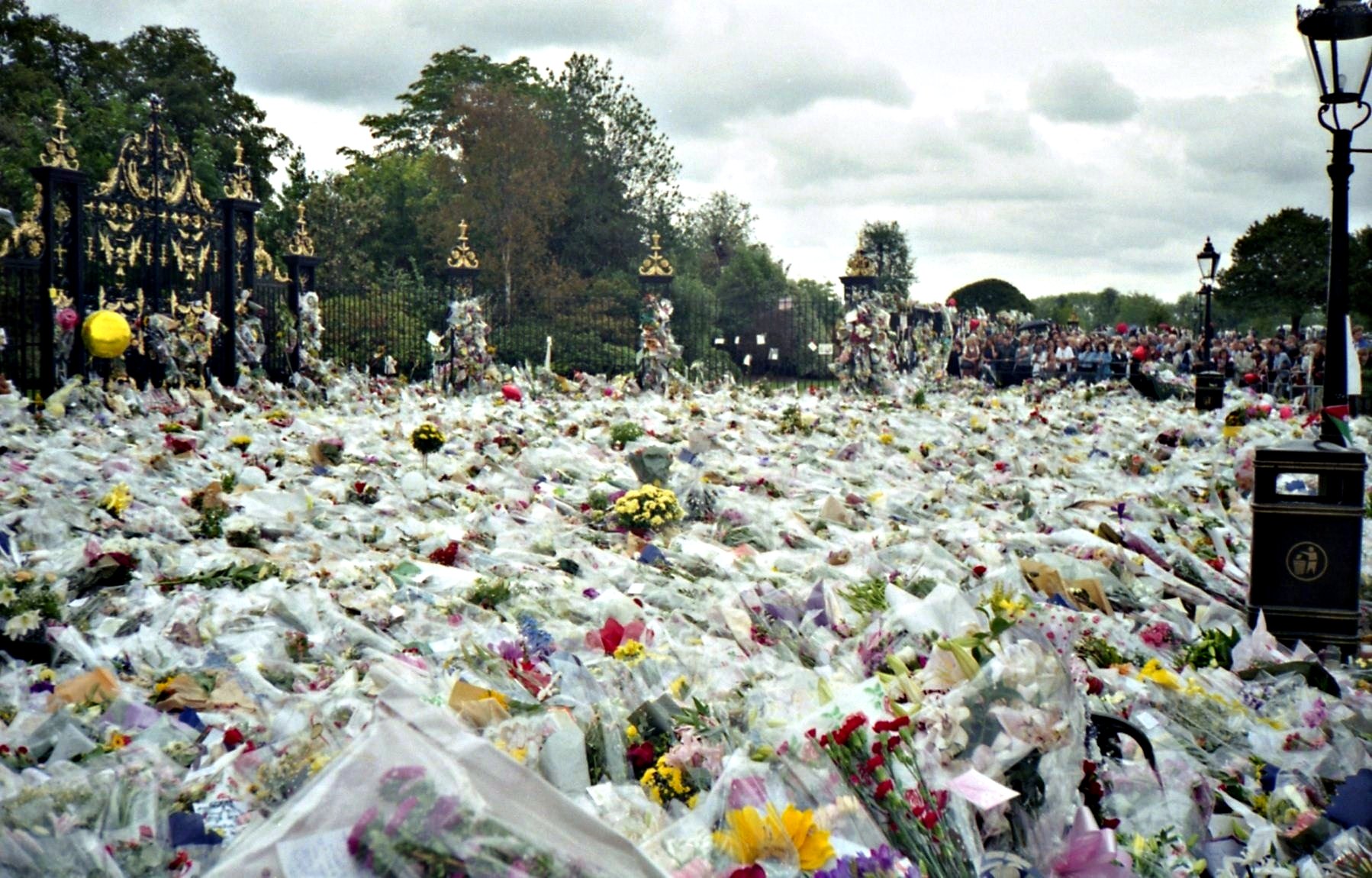
    "Flowers for Princess Diana's Funeral" by Maxwell Hamilton from Greater London, England United Kingdom - Flowers for Princess Diana's Funeral. Licensed under CC BY 2.0 via Commons
    “Flowers for Princess Diana’s Funeral” by Maxwell Hamilton from Greater London, England United Kingdom – Flowers for Princess Diana’s Funeral. Licensed under CC BY 2.0 via Commons

    The day Princess Diana was buried was massively important in my life. I wasn’t that much of an Anglophile, but having met and fell in love with a visiting Englishman to Washington, DC, I became a committed Anglophile, so to speak. But then – shock, horror – this vicar-in-training gave Diana the dozen roses I was sure were intended for me!

    Click here to read the chapter of my book detailing the events of that fateful day.

    Finding Myself in Britain is available at Christian bookshops and online. In the States, it’s only available via Amazon. I’m also selling it at a discounted price – £8 for one and £15 for two, plus postage. Email me at amy@amyboucherpye.com if you’re interested.

  • Devotional of the week: Hunger Satisfied (2 in Luke 4 series)

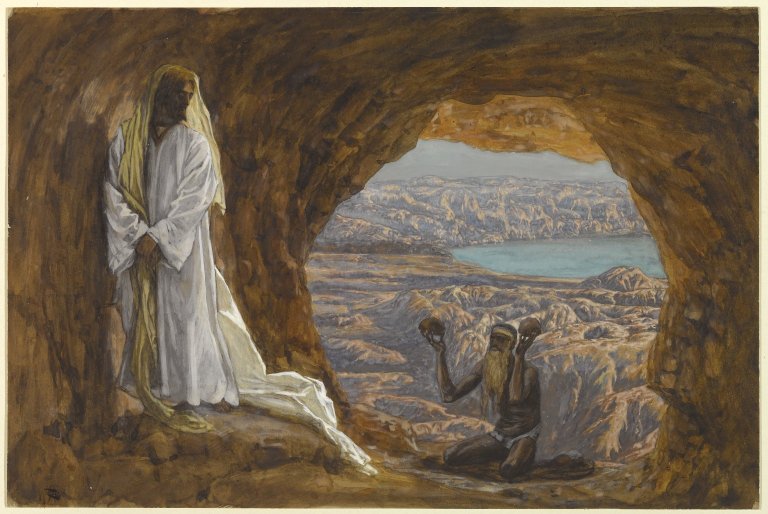
    Jesus Tempted in the Wilderness (Jésus tenté dans le désert) by James Tissot - Online Collection of Brooklyn Museum
    Jesus Tempted in the Wilderness (Jésus tenté dans le désert) by James Tissot – Online Collection of Brooklyn Museum

    Jesus ate nothing all that time and became very hungry. (Luke 4:2)

    When I refrain from eating, I can become snappy and irritable. A little hunger in my belly can turn my mood sour. Add some tiredness and I can morph into someone you’d best avoid.

    I like this little verse tucked in the story – that Jesus became very hungry. Though he must’ve been radiating love after spending time alone with his Father, he still felt the pangs of an empty stomach. And yet he doesn’t fall prey to the foul moods I can feel when I miss only a meal.

    Paying attention to the needs of our bodies and eating properly will help us control our physical hunger. But sometimes our spiritual or emotional pangs turn our eating into an act of seeking comfort. We stuff ourselves mindlessly with sweet or salty concoctions in the quest to quell the unmet needs inside. (Or some other kind of self-soothing behavior, whether it be drinking, shopping, workaholism…)

    And yet Jesus wants to meet all of those needs. He said later, when teaching the crowds who sought him out after he fed the thousands, that he is the bread of life, and that all who eat of him will never go hungry (John 6:35). This day, may we ask him to be our bread, satisfying our hunger that we might live for him.

    Prayer: Lord Jesus, thank you that you dwell in your followers. May your presence bring comfort, hope, and love, that we might reach out to a needy world. Amen.

  • “You Said What!?” Radio interview for Finding Myself in Britain

    Loved being at Premier Christian Radio this morning. Such fun.

    Yesterday I so enjoyed being interviewed on Premier Christian Radio. I was a guest on the Inspirational Breakfast show (you can hear my portion of the show here) with host John Pantry, who (amazingly) has been with Premier as long as I’ve been in the UK – 18 years! I loved hearing his stories in the break about living in California for a year when their children were young. He said how they were given so many provisions, such as a car. And one woman gave them all of her furniture, for she believed the Lord was returning soon and very soon and so she didn’t need it! (I wonder how long it took her to admit she’d got the timing of the Second Coming wrong before replacing the furniture she gave away?).

    One of our callers yesterday recounted being in the States and trying to buy some stationery products and his amazement at being laughed at by the young women salesclerks when he asked for a rubber! It made me think of the story I tell in the book in the chapter “By Their Accent Shall Ye Know Them,” excerpted here:

    On one of my yearly trips back to the States to visit family and friends, the kids and I made a pilgrimage to our favourite chic-but-cheap retailer, Target. The very first Target store was opened in 1962 in Roseville, Minnesota, and was “my” store growing up. When there I stock up on things I can’t get in Britain or buy items that are less expensive, to haul back to the UK. We were standing at the check-out line, placing the items on the conveyer belt as we waited for our turn. When I took out a Dr Seuss-related item, in a package of six, Jessica exclaimed, “You’re buying rubbers!”

    The man ahead of us in line flinched but I said, “Yes, they’re for your birthday party.” I added quickly, “But in America, we call these erasers.”

    She remained blissfully unaware of what must have been going through the mind of the man in front (for rubbers in the States are condoms). Differences in language can make for some interesting exchanges.

    In the interview, John Pantry asked what were the listeners’ favo(u)rite British quirks and customs. What are yours?