Author: Amy Boucher Pye

  • Review and Discussion Questions – Adrian Plass’s Jesus: Safe, Tender, Extreme

    A flash-back review from the early days of the Woman Alive book club. I love Adrian Plass’s writings; they don’t lose their humor or punch.
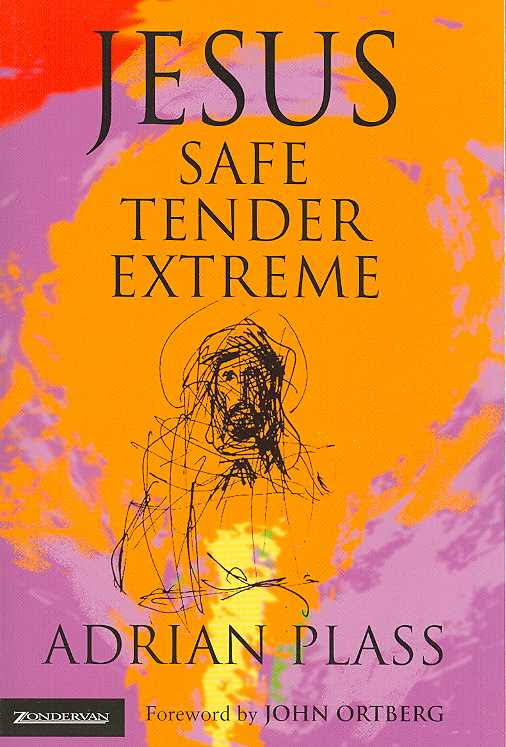
    imagesAdrian Plass is a Christian speaker and writer who has been loved over the years for his humor and honesty. Telling stories of personal vulnerability seems to be his job. As he says in the introduction to Jesus – Safe, Tender, Extreme, “I am not a teacher in any orthodox sense. I am not a theologian. I am not a preacher; I cannot preach to save my life. I am simply allowed to be a man with a broom, sweeping away the rubbish that prevents others from passing further in and further up, and I tend to do this by talking about what Jesus does and doesn’t do in my life. He is safe, he is tender and he is extreme. This book is soaked with those things.”

    Some who have read this book have commented that it reveals a more mature and wise writer. In it he is profound and deep, but also laugh-out-loud funny. You may not agree with him about everything – like his views on healing or the Bible – but you won’t lack things to consider and discuss if you read it.

    • Adrian wrote this book in the light of eternity, as his mother-in-law lay dying in the next room. How did this affect you? And how did you react to his description of cancer as a ‘ravening fungoid monster’ (p. 21)?
    • Do you feel so safe in the love of Jesus that you are free from any of the agoraphobia that Adrian speaks of on page 28? Are you able to pop out “to explore what’s going on down the road”? How does Adrian and Bridget’s encounter with the couple at the coffee shop illustrate this concept (pp. 93ff)? And how does this safety allow and even compel us to embrace truth?
    • Adrian says on page 69 that “there is not a single incident in the lives of his followers that [Jesus] does not inhabit and monitor and have ultimate control over, even at those times when darkness and distress are all that we are able to see and feel.” Do you believe this? In your times of darkness, have you found this to be true?
    • In several places in the book, and especially throughout chapter 5, Adrian speaks of God “defaulting to compassion” and us “defaulting to praise” (also p. 44 and 73). Do you really believe that at the heart of God lies compassion and tenderness? If not, why? Could you move in that direction? How would your life be different if you did?
    • 6bca9efe0a8dab8c932273b9cf47b7fdIn the story “Closed Wounds,” Adrian in his dialogue with God hears that “the scar is a sign of health” (p. 178). Do you agree with what seems to be a contradiction in terms? Why or why not?
    • On page 194 Adrian says that “safety and extreme obedience overlap, and the place where they come together is in the concept of ultimate trust in Jesus, even in the midst of apparent failure.” He goes on to talk about how Western Christians fall apart when “God lets them down.” What did you think of the questions Adrian wanted to ask Janet on pp. 197-98? Do you agree or disagree with his conclusions? How have you reacted to God in the tough times of your life?
    • Some of the extreme encounters Adrian recounts are filled with the everyday stuff of life, like waiting at the supermarket queue (pp. 239ff). Did this surprise you? When have you experienced the thrill of extreme obedience amid your daily life?


    My View

    Okay, I have a confession to make. I was Adrian’s editor for many years, and indeed was his editor for this book. So I can’t confess to any objectivity. Quite simply, I think the book is wonderful and profound and funny and moving.

    When the manuscript first crossed my desk I wasn’t sure about the inclusion of the stories. They weren’t what we were expecting, and I didn’t know how they would fit with the prose. But as I reread the book for this column, I was most profoundly touched by the stories. I hooted at the thought of Adrian collapsing the piece of non-furniture at Blands Warehouse, and was so glad that he stayed and confessed. When he told of his train ride with the tipsy blokes who wanted to talk about Jesus, I wondered what I would have done. And I felt sad about him not telling Dorothy about Jesus, but could relate to that strange part of ourselves that makes such a rash decision and later regrets it. And so on.

    One of Adrian’s points that has stuck with me is that God defaults to compassion; this is God’s nature and there is no other. Do we – do I – really live like I believe this? Or do I put a false veneer over God? And in my life, can I follow Jesus and too default to compassion – instead of pride, irritation or selfishness? Ask my husband. Some days yes, some days no!


    Views of Woman Alive Book Club readers

    cfcffa919dc808e91bbb463aaec20fd5I decided to read Jesus – Safe, Tender, Extreme by Adrian Plass as I had read short articles by him but had never read any of his books. The experience for me has been very profound. I felt from the moment that I bought the book that I should start reading it straight away. I had been going through a low time in my spiritual life to the point that I was questioning whether I actually had any real faith. I believe God has used this book to bring me back to Him and to confront me with His deep and enduring love as shown in His son Jesus. I found it difficult to put the book down and felt it was being used to bring me back to the assurance that Jesus truly cares about each one of us and loves us, warts and all. Sometimes I had tears of laughter rolling down my face and sometimes I had tears of joy and relief as the reality of Jesus’ love overwhelmed me. I felt I must write to say thank you for recommending this book as it has definitely been used by God to inspire me and give me confidence that Jesus will always be with me no matter what the situation may be. -Jo Richards, Enfield, Middlesex

    I found the book very interesting. One can agree with cancer as a ravenous fungoid monster, but cures are being found and lives extended. I think I feel safe in the love of Jesus, most of the time. Problems do test it. That’s what it’s all about. God’s word sets us free from sin and worry. The author deals with doubt and abandonment, something everyone feels at some time. -Muriel Moore, Turnditch, Derbyshire

    Jesus – Safe, Tender, Extreme by Adrian Plass (Zondervan, ISBN 0310268990)

     

  • Devotional of the week: Heavenly Protection (6 in Luke 4 series)

    Angels looking down at St Peter's Basilica, the Vatican.
    Angels looking down at St Peter’s Basilica, the Vatican.

    “If you are the Son of God, jump off!” Luke 4:9

    Do we leave God’s protective cover, inadvertently or through willful disobedience? When I was at university, one of my closest friends was killed in a car accident. I was later stunned when a friend explained that she died because she had left God’s protection and was outside his will. Not exactly words of comfort. I turned to my Bible in desperation, trying to make sense of this tragedy, and came across these words: “For who knows a person’s thoughts except their own spirit within them?” (1 Corinthians 2:11). I immediately felt peace and understood that I didn’t need to be the judge. I might never figure out why she died, but I didn’t need to have all of the answers.

    In our text, Satan is thinking of God’s protective cover when he tempts Jesus the third time, turning to the relationship Jesus has with his Father. Satan would have Jesus test God’s promises, but again Jesus stands firm. He knows his identity; he knows that the true God will fill his needs; he knows that he is loved, safe, protected, and secure. He doesn’t need to exploit the grace of his Father.

    Although we live in a fallen world, where loved ones suffer and not all our prayers are answered, yet we know too that the Lord sends his angels to guard over us. We ask for his protection and seek not test his boundaries.

    Prayer: Father God, because of your great love you save us. Thank you for all the miracles you’ve performed for us that we don’t even know about. May we be ever thankful. Amen.

  • “There’s No Place Like Home” – A New Series

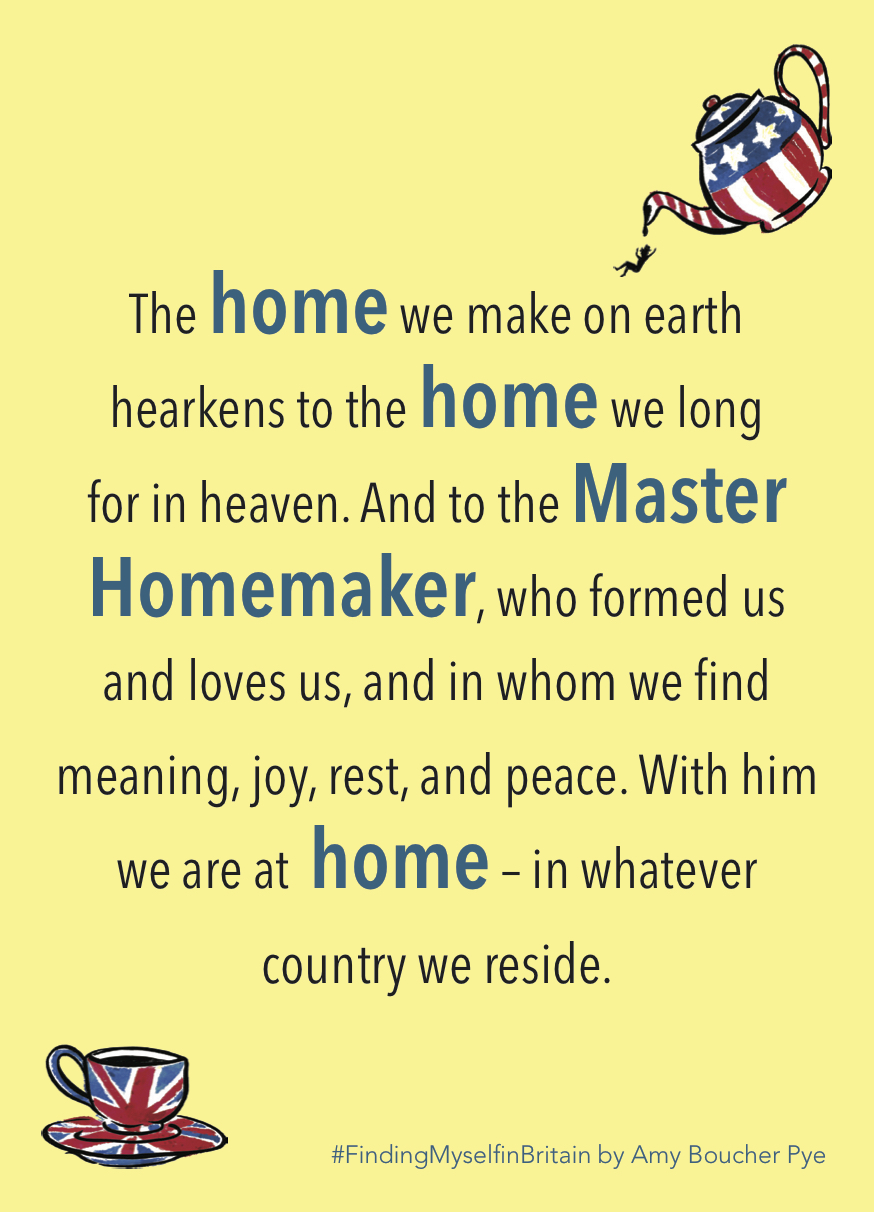
    No Place Like HomeWhen Nicholas and I first married, and I moved to the UK, we decided to call wherever we were living “home.” We knew that words bind up reality, so we wanted to embrace with our lingo the new truth in our lives. This would prove harder for me, of course, being the one to leave family, friends, wide highways, and good plumbing, and if we were having a spat we wanted to curtail any reckless words such as, “I want to go home!” For I was at home.

    But though we were intentional, early on in our life in the UK I often felt homeless, partly because we knew we’d only live for a few months at Ridley Hall in Cambridge where Nicholas was training for ordained ministry. Then his first curacy descended into upheaval not long after we arrived when the vicar was signed off sick, so the question of whether we’d stay or go seemed to cling to us, keeping us from settling. We moved after only two years, to another curacy, which again felt transient as we stayed there another two years for Nicholas to finish his apprenticeship period. Home was where we lived, but rooted we were not. Only when we landed in our first vicarage, having our first child a month later, were we able to settle in and breathe.

    Embracing a concept of home – though we took a few years to reach this place physically – helped us to create a space for loving, thriving, and resting. A place to be; a place to relax; a place to create; a place to welcome others. For Nicholas this sense of home was redemptive, for he had moved around so much in his life, such as going to boarding school at the age of eight, and later, when he went to theological college (US: seminary) in his thirties, selling his flat and therefore in a sense being homeless during that three-year period (and finding being booted out of college during the summer holidays particularly hard).

    So home is something we’ve tried to foster, and the addition of children has been a wonderful blessing and joy to vicarage life. This drafty Victorian spacious place with its high ceilings, sinks with their single faucets (UK: basins with taps) in several of the bedrooms, and condensation-forming sash windows has provided the backdrop to their lives. But of course home means so much more than the physical structure; it’s the people and the customs and rituals that we practice throughout the seasons that bring meaning and fulfillment.

    FMIB Quotes 1 & 2_Proof 2 jpeg

    I’m delighted to kick off this series, “There’s No Place Like Home,” which will run at least through the Spring of next year, as I’ve had a humbling and wonderful response from fellow writers and makers-of-home. The blog posts will appear on Fridays, all exploring different aspects of home. Next week we look at the crisis of homelessness from the renowned thinker Os Guinness, and in the weeks following we will experience so many riches including novelists Rachel Hauck, Sharon Brown, and Katharine Swartz; bloggers Ben Irwin, Tanya Marlow, Amy Young, and Tania Vaughan; and authors addressing issues in the Christian life such as Cathy Madavan, Bev Murrill, Sheridan Voysey, Penelope Swithinbank, and Catherine Campbell. As a VW (vicar’s wife), I don’t think of myself only with that label, but no doubt being married to pastors and ministers will inform the thoughts of Amy Robinson, Debbie Duncan, and Claire Musters. And this is only a taste of the glories to come! Yes, I’m excited!

    To launch the series, I’m delighted to give away two copies of Finding Myself in Britain, including recipe cards – and I won’t limit the giveaway to the UK either, so wherever you live, please enter. To do so, share in the comments what home means to you. You can wax lyrical or jot down a word or two. I’ll choose the winners on 27 November – yes, otherwise known as Black Friday. It will be lovely to give away my book-baby on that day of consuming.

    Is it true for you that “There’s No Place Like Home”?

  • The Best Yes book review

    A review published a year ago in the Woman Alive book club. Still so relevant, and only today I was listening to a Michael Hyatt podcast on achieving more by doing less…

    1400205859Living a so-called portfolio lifestyle affords me variety. One day I might search out the next read for our book club while the next I’ll craft some Bible reading notes. But with these competing deadlines, for many years I didn’t tackle the One Big Thing I wanted to do for years – write my first book (but thank you, Lord, that book-baby #1, Finding Myself in Britain, is now out!). When I bemoaned this unpublished state to a mentor, he recommended that I read Essentialism: The Disciplined Pursuit of Less by Greg McKeown. I duly ordered it, but in the meantime came across The Best Yes, on the same topic but written by a woman for women.

    Lysa Terkeurst knows that women are busy, with many competing demands for their time: paid employment, volunteer work, care for children, studies, church work, and so on. We have a myriad of opportunities to make a difference, but at times we don’t feel qualified and so shrink back. Other times we say “yes” to please others, not wanting to let them down or seeking their approval. Or we take on so many projects and activities because we just don’t know how to say “no.”

    Why do we say yes, and why not? How can we evaluate between two good opportunities – which one is our so-called “best yes”? How can we say no without disappointing someone? She deals with these questions and more, rooting her writing in a Christian worldview and peppering her points with stories from her life and the Bible.

    In one of her stories she recounts how a close friend – a young woman in her early twenties – asked if she could live with Lysa’s family for a year. Lysa and her husband deliberated for some time, evaluating the pros and cons and seeking God’s wisdom. She shares how they discerned using four categories – how would adding another person to their family would affect them physically, financially, spiritually and emotionally. In the end, having prayerfully considered these categories, they realized they had to turn down their friend’s request. Their no was hard, but opened up the best yes when the friend received an invitation to a far better living arrangement – on the very day Lysa said no.

    Perhaps Lysa’s example about the houseguest spoke to me powerfully because one summer we opened our home to guests every weekend for three months. We got worn out, even though we loved seeing so many friends from far-flung places. We should be a hospitable people, but we also don’t have to accept every request.

    What are you saying yes to, and why? What can you say no to, to free you up for your best yes?

    The Best Yes, Lysa Terkeurst (Nelson, ISBN 978-1400205859)

  • Devotional of the week: Words of Life (5 in Luke 4 series)


    Photo: Savio Sebastian, flickr
    Photo: Savio Sebastian, flickr

    “You must worship the Lord your God and serve only him.” Luke 4:8

    When I was a young Christian, I took part in the Navigators’ Scripture memory program. Decades later, I can still recall many of the Bible verses I learned. I love having the riches of God’s word so deeply embedded in me, although of course I wish I had more memorized. (In fact, the renowned writer on the spiritual disciplines, Dallas Willard, said that if he had to choose between a daily “Quiet Time” or memorizing Scripture, he’d choose the latter.)

    Jesus relied on Scripture, and quotes from the Hebrew Bible each time he replies to Satan during these three temptations. In just a sentence or two his words of truth slice through Satan’s oily schemes. For instance, when Satan invites Jesus to take control of the kingdoms on the earth, Jesus replies with words spoken by Moses, when he was the Lord’s mouthpiece to give the Israelites God’s law: “You must worship the Lord … and serve only him.” Jesus knows that his allegiance lies with his Father and won’t bow to Satan.

    We won’t face the particular tests that Jesus did, but as we grow stronger in our Christian faith, we’ll face other temptations and battles by the father of lies. One weapon against his schemes is the word of God, planted in our souls. Then when we face trials, we can ask the Holy Spirit to bring to mind God’s words to counter the attack.

    Is there a special verse from Scripture you could put to memory this day?

    Prayer: Triune God, increase my love for your Word, that I might take, read and inwardly digest it, and bring glory to you. Amen.

  • Interview with Os Guinness

    An interview with Os Guinness, whom I had the privilege of working for in Washington, DC, for ten formative years of my life (starting when I was an intern with the Williamsburg Charter Foundation, many a year ago). Os is simply brilliant, but he’s also funny, caring, and deeply passionate about the transformation of people and society. He’s one of the greats.

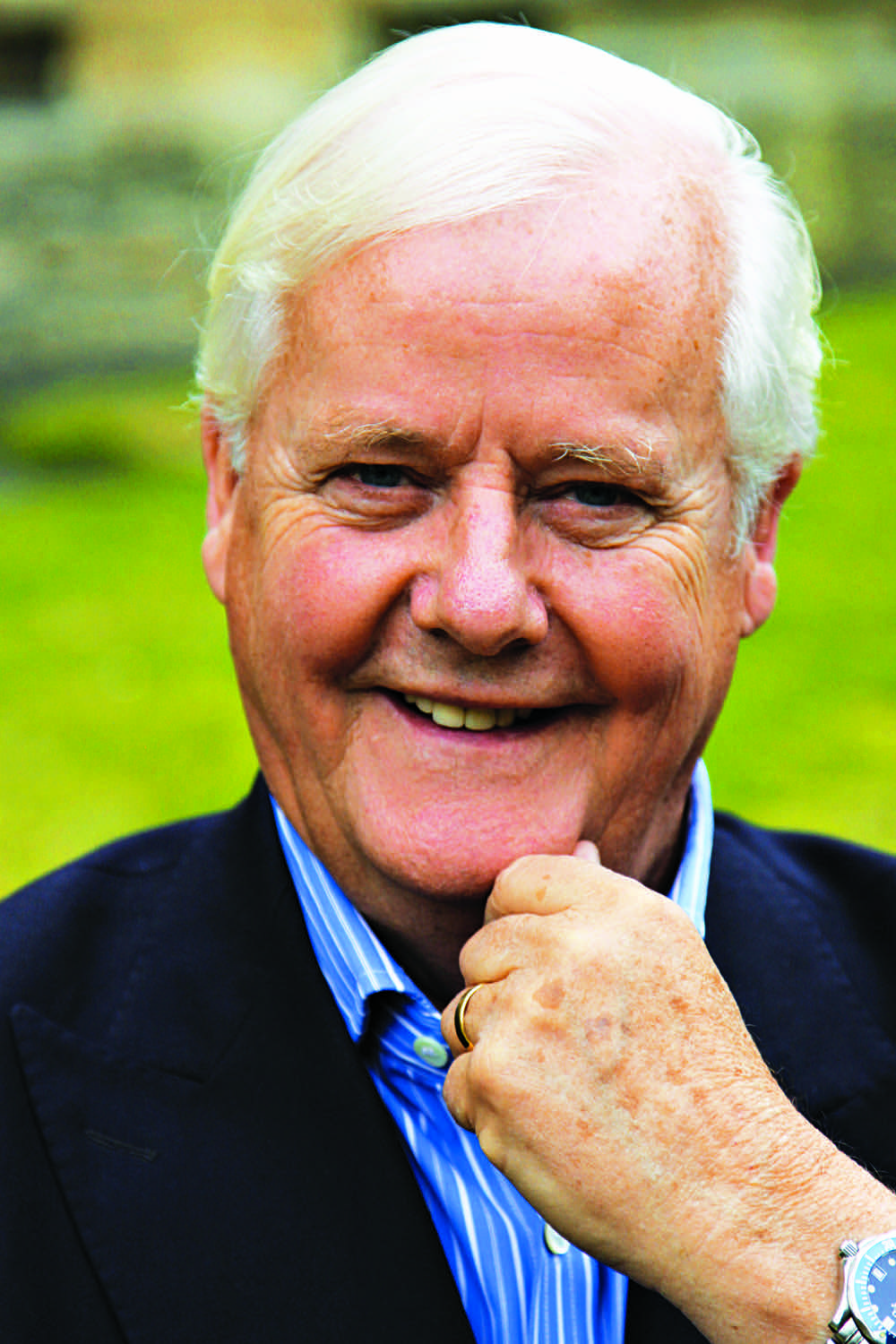
    Guinness, Os 01Os Guinness is a writer, speaker and social critic who is the author or editor of over 30 books. The great-great-great grandson of Arthur Guinness, the Dublin brewer, he’s an Englishman who has lived in America for over 30 years.

    In the last 50 years many countries in the West have grown more secular in public life and more diverse in the private world. Thus fewer people understand “Christian language,” and fewer are interested in what we are saying. So to reach them, we have to be persuasive, which is why I’ve written Fool’s Talk. Jesus never talked to two people in the same way, and nor must we. St Paul, for example, spoke differently when he addressed his fellow-Jews in the synagogue and when he spoke to Athenian philosophers at the Areopagus.

    Jesus spoke straightforwardly to his disciples because they were open to him – though they often misunderstood him. But when he spoke to the crowds, and especially to the scribes, Pharisees and Sadducees, they were closed to him and his teaching. So he switched to stories and parables that were far more subversive and challenged them to see his point – despite themselves! One of the deepest and most persuasive ways we can talk is to ask questions, and that is something we can all do – ask questions that make people think about what they believe and the problems in their faith if they thought more. Then they become more open to the gospel.

    The sociologist Peter Berger describes a “signal of transcendence” as an experience that is so deep and challenging that it punctures what people used to believe and points to something that needs to be true if their experience and longings will be satisfied. Perhaps the example most Christians know best is how CS Lewis, as an atheist, was “surprised by joy.” In setting out to follow the signal of joy, he abandoned his atheism as unsatisfactory and eventually came to know the Lord.

    Fools Talk #3699CS Lewis was brilliant in both reasoned argument and in highly imaginative story telling. Like many others, I came to faith through reading Mere Christianity, and I have always loved his imaginative works such as The Screwtape Letters and The Chronicles of Narnia. Some of his collected essays are remarkable too.

    The Call is my bestselling book, and the one that triggers the greatest response. People appreciate how it encourages Christians to see their place in the whole of life as God’s calling. Being a mother, a teacher, a lawyer or a taxi driver can be just as much part of God’s calling as being a minister or missionary.

    Being born in the brutal realities of World War II in China and witnessing the beginning of the Communist era, my story is quite dramatic up to the age of ten, and then not that different from many other Western lives after that – though my time at L’Abri with Francis and Edith Schaeffer in the late Sixties was dramatic! If I write a memoir, it will not be because I think my life is that important, but because we need to recover the sense of “handing on well” today. The craziness of modern views of generations makes a healthy view of tradition harder than ever, and we Christians should be passionate about both tradition and renewal.

  • Online relationships and Finding Myself in Britain selfies

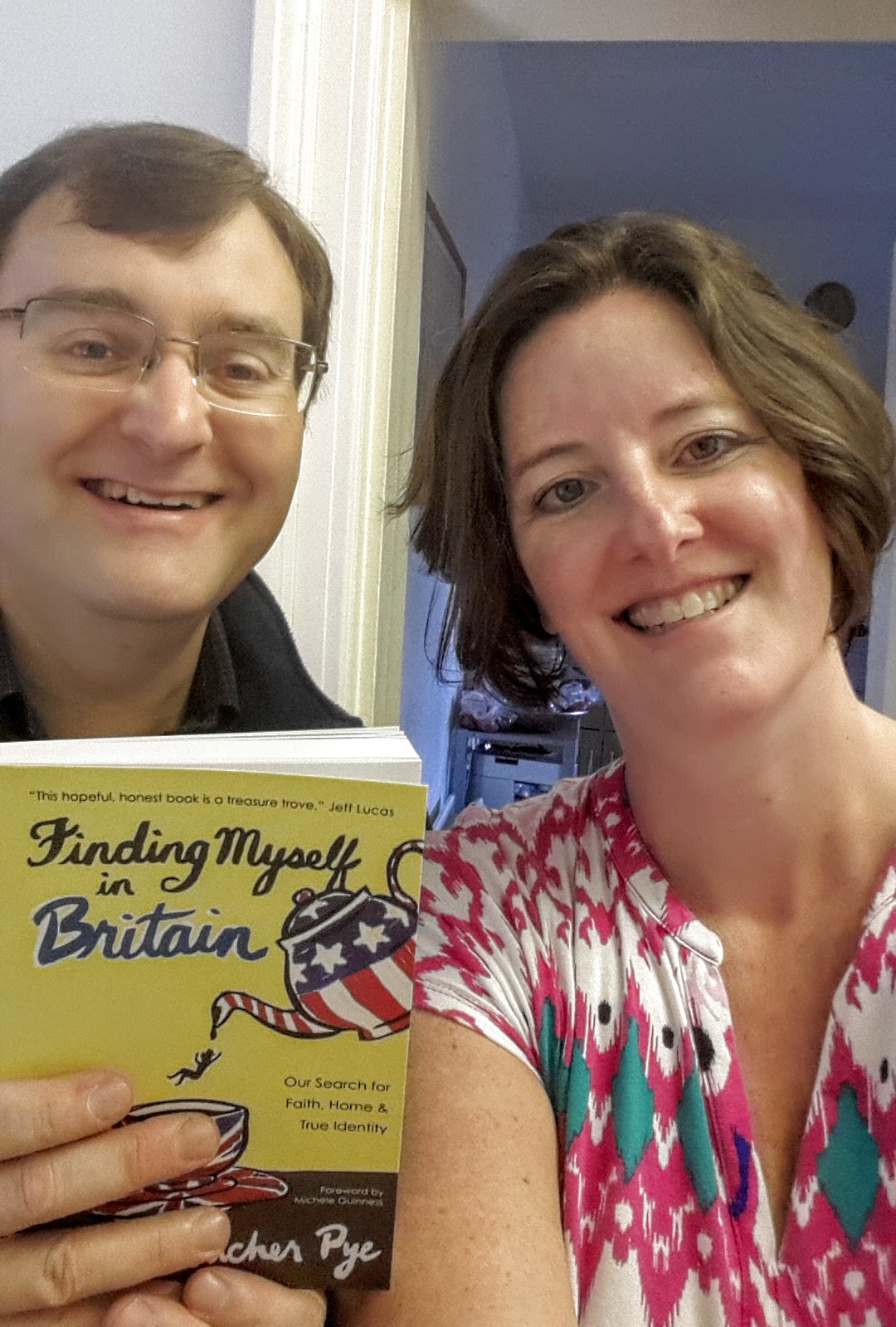
    Me and NicTheVic on the day my book-baby arrived. Without him there would have been no story to tell!
    Me and NicTheVic on the day my book-baby arrived. Without him there would have been no story to tell!

    One thing I love about our socially connected online world is the proliferation of photographs from my friends. So I was delighted when I started to see selfies with my book-baby pop up online – unbidden. These make me happy on so many levels – not only seeing Finding Myself in Britain out there in the world, but mainly seeing the faces of people I’ve known either in person or those I’ve met online.

    So many people talk about “real” relationships in contrast to those online. I find that frustrating, for I have real relationships with people I’ve never met in person. For instance, I’m part of an online writer’s group where we interact with each other daily in a structured but free way, and the support and love I’ve felt and witnessed there takes my breath away. Another group I love is the Woman Alive book club Facebook group – a place where we discuss books and characters and what we’re reading. I love to see friendships develop over a shared love of reading. And I love seeing people interact with my Facebook posts and the connections and conversations that occur.

    Yes, we need to exercise caution and discretion when meeting people online, and yes, we can become so obsessed with our social-media likes and retweets and Instagram hearts that we ignore the family and friends who surround us in person (we, for instance, have a no-phone rule at our dinner table). But if we exercise discernment as we engage in the online conversations, we can gain friendship, camaraderie, wisdom, and some lovely selfies with our book-baby.

    Do you have Finding Myself in Britain? I’d love to see your selfie – please include your face, and not just the book!

    Jo Saxton, who lives a parallel life in my hometown. Our chapter in Finding Myself in Britain is one of my favorites.
    Jo Saxton, who lives a parallel life in my hometown. Our chapter in Finding Myself in Britain is one of my favorites.
    Cathy Madavan's blurb on my book rocked my world - I didn't realize just how developed were my practices of celebrations until she pointed it out.
    Cathy Madavan’s blurb on my book rocked my world – I didn’t realize just how developed were my practices of celebrations until she pointed it out.
    Steve and Diane Bjorkman are lovely friends who live in California. Steve's amazing "A Slice of Pye" artwork appears at the back of FMIB.
    Steve and Diane Bjorkman are lovely friends who live in California. Steve’s amazing “A Slice of Pye” artwork appears at the back of FMIB.
    Liz Cook and I love books and have lived in each other's countries at various times.
    Liz Cook and I love books and have lived in each other’s countries at various times.
    Amy Young - another Amy, another oversees lover of life! I'll forgive her the Denver Broncos passion.
    Amy Young – another Amy, another oversees lover of life! I’ll forgive her the Denver Broncos passion.
    Michael Gibson from Northern Ireland also loves books and American football - sadly, he supports the Miami Dolphins but maybe one day he'll see the light and move allegiance to the Minnesota Vikings.
    Michael Gibson from Northern Ireland also loves books and American football – sadly, he supports the Miami Dolphins but maybe one day he’ll see the light and move allegiance to the Minnesota Vikings.
    A Skype call of Alex Ward's mum and son. I love this on so many levels. Alex was one of my answers to prayer in Epsom when I was longing for friends. She's moved around a lot since then, from the Netherlands to Budapest and now to Texas.
    A Skype call photo of Alex Ward’s mum and son. I love this on so many levels. Alex was one of my answers to prayer in Epsom when I was longing for friends. She’s moved around a lot since then, from the Netherlands to Budapest and now to Texas.
  • Review: Scary Close by Don Miller

    I’ve been remiss in posting reviews. Here is one originally published in the March 2015 Woman Alive book club.

    078521318XReading the latest offering from a familiar writer can feel a bit like catching up with an old friend. In the Woman Alive book club in late 2006 we discussed Blue Like Jazz (review posted here), Don Miller’s breakout hit that was turned into a movie. In Scary Close Don continues to share his emotions and thoughts openly, as if inviting the reader over to dinner and a long chat.

    He recounts his move to marriage, a long journey as he used to be a serial dater; one who would obsess over winning a girlfriend and then, once he caught her, he’d lose interest, break her heart, and move on to the next. He’s been open about his “father wounds,” stemming from his dad leaving his family when Don was a young boy; surely some of this fear of commitment had roots in those early traumas.

    Scary Close shows flashes of insight and brilliance; I love his strong images, such as how he describes his new-girlfriend-later-wife, “She’d no sooner end a relationship than she’d cut down an old-growth tree. In the heat of that argument I realized I was only a sapling in the forest of this woman’s life… If I was going to win her heart, I’d have to plant myself in the forest and slowly grow the rings that earn loyalty…” (pp. 4-5).

    But I tried to ascertain what unsettled me, and after a while I realized that it feels as if Don’s Christian faith has been shoved to a corner. He speaks of working through deep issues such as identity, the need to perform and impress, trust and intimacy, by looking to psychology for the answers. Now I’m not wanting to discredit psychology; of course the Lord works through the social sciences to aid and bring healing. But it feels like these manmade systems have taken precedence in shaping who he is. Even Don saying that he’s not been to church in five years made me take pause; has his journey of questioning moved him away from the God of answers, the God who wants his all?

    Of course we as readers aren’t really invited to dinner with a writer; we don’t know what’s going on in their heart and mind, so my conjectures are just that – unproven propositions. I’d be happy to be wrong.

    Read it for the evocative language and probing questions about intimacy and relationships, but read it asking for what’s not said as much as what is.

    Scary Close: Dropping the Act and Finding True Intimacy by Don Miller (Thomas Nelson, ISBN 978-0785213185)


  • Behind the Scenes: The First Draft of Finding Myself in Britain

    889210463_0ddd88ae57_o
    Photo: Boris Anthony, flickr

    Authors, editors, and the *&^$ first draft.

    Having worked in Christian publishing for over two decades as an editor, I’ve had contact with many an author. In my early days I worked with some highly strung first-time ones – those who define the stereotype of oversensitive, defensive, and not wanting to kill their darlings. I’m remembering one whose book I edited in the early days of the internet, when I would plug in the cord into the phone socket and dial in my clunky Mac laptop to download my emails. Each time I opened my emails I’d find another range of missives from him, written with passion and angst as he argued every little change.

    I found the experience draining.

    When I moved across the pond and started as an editor in the religious books division at one of the huge conglomerates, I was stunned to hear my boss, the publishing director, say, “I only commission authors I enjoy.” Really, I thought? Well that must leave out a lot of people. But as time passed and as I inherited many projects from covering a maternity leave, I could see his wisdom. Those projects where the author and I clicked, where I could see their passion and integrity, were those I loved working on, and which seemed to go swimmingly – even if we had a lot of rewriting and editing to do. Because we trusted each other, the editing process was a conversation – and the book benefited.

    Those projects where the author and I didn’t gel so well, however, could suck the life out of me. For instance, I endured many a long, exhausting conversation with one agent, who claimed her author was receiving rotten treatment, that we were failing him, yadda yadda yadda – and this before the book even hit the bookshops! I wonder if she ever realized that she was thwarting her author’s project with the publishers.

    And now, after those years as an editor, I finally got to be an author with my first book-baby, Finding Myself in Britain. The process was long and hard, but full of trust and feedback and uncovering my voice. My commissioning editor was Steve Mitchell, the MD of Authentic Media, who came up with the idea for the book. He knew my passions – for prayer and issues of identity in Christ. He also has two decades of retail experience. All of which led him to say, “Write your unique angle as an American in the UK. Make it a through-the-year look at us.”

    10460850_10152372674802129_1515780501205436786_oSo I had my marching orders and launched in exactly a year ago, going to Spain to El Palmeral for a week of intense writing, enjoying the sunshine and the hosts and guests – and hearing their stories of Harvest and clergy life and the difference between Yorkshire and, say, Lancaster. When I got back, I sent Steve a bunch of chapters for his feedback, and we continued to work in this back and forth manner, me writing and him assessing, as I created my first draft.

    I was stunned by some of his early comments, for he was able to see what I couldn’t – namely how much I missed my family and friends in Minnesota. “I feel like you’re transplanting Minnesota to England,” he said of my early chapters in what was then called View from the Vicarage. “We want to hear what you think of us,” he continued, “not so much what you’ve left behind.”

    Ouch. But he was right, and I rewrote, and rewrote some more. Once we were happy with my first draft, I sent it off to 10 reviewers, a mix of friends from the Woman Alive book club and three editor/writer friends. I sent off my manuscript to them on the Friday night and had a 13-page response from one speedy reviewer by Saturday afternoon. I was stunned at her insights and fast response – so stunned I had to take myself to bed, lest I become one of those defensive, irritating first-time authors I mention above.

    And next time, dear reader friends, I’ll share how I handled that feedback and what I learned – and how I managed not to alienate my editor-friends!

  • Devotional of the week: True Authority (4 in Luke 4 series)

    Photo: Brenda Clarke, flickr
    Photo: Brenda Clarke, flickr

    “I will give you the glory of these kingdoms and authority over them…” Luke 4:5

    Satan harbors an inflated view of his authority. First he tries to tempt Jesus to change a rock into bread. Then he promises Jesus power over all the kingdoms of the world, which he believes are his to control. All he asks is that Jesus worship him.

    It’s rather ironic. Jesus actually holds the keys to those kingdoms, because of his union with the Father. But his humility keeps him from exercising that authority. Instead of lording himself over people, seeking to manipulate and control them, he puts himself at their mercy. Even to the point of giving his life on the cross.

    As we saw last week, Jesus knew who he was – God’s beloved son. Being secure in his identity, he lives as a servant. In his weakness, he is strong. Strong enough to resist Satan and his temptations.

    We aren’t Jesus, but what authority has God entrusted to us? We might be a parent, seeking to mold and shape our children into followers of Christ. If we exercise control harshly, they may rebel or react. So too if we are in a position of leadership in a work, church, or volunteer environment. Or we might not think of ourselves as leaders. Yet when we put the needs of others ahead of our own, we reflect Jesus’ love, grace, and gentleness.

    Prayer: Lord Jesus Christ, you showed supreme humility when you died on the cross in my place. Thank you for your loving sacrifice. Amen.