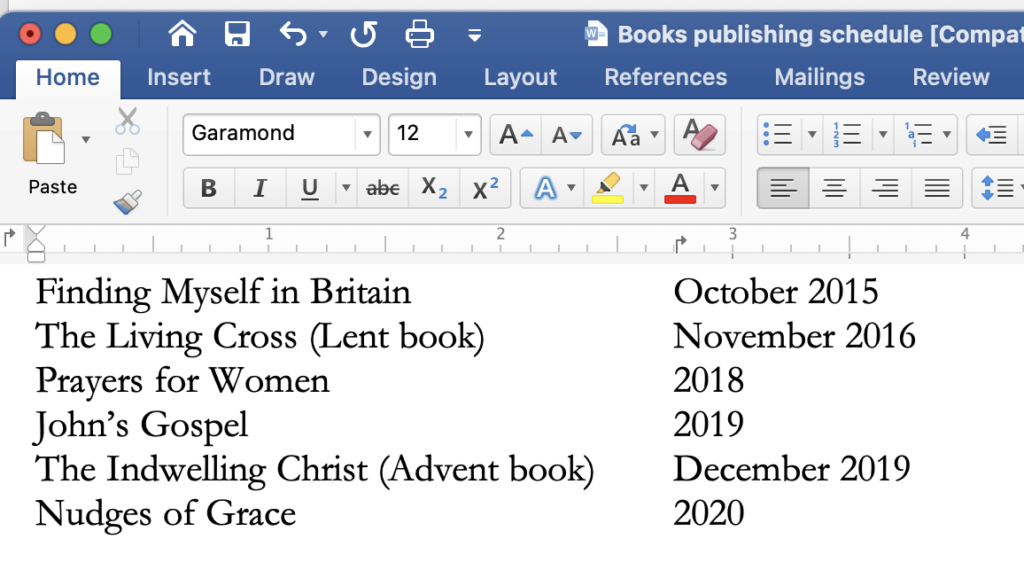
I recently came across a document filed away in Evernote entitled, “Dream schedule for book writing and publishing,” which I penned initially in late 2016. I had set myself a course of the books I wanted to write—along with the MA in Christian spirituality I was in the thick of then in 2016.
My dreams haven’t been realized according to that schedule. Although I released a small-group guide last year, I haven’t published a “proper” book for all these five years. I also thought that I wasn’t ready to write my “big” book—that’s the “Nudges of Grace” at the end of the list. I thought I needed to turn to the other books, on what I saw as more niche topics, before I could handle the book on prayer.
I’ve not kept to my schedule, but I see the grace in those years—the time to think and develop through my master’s degree, the opportunity to recover after spending myself in that academic pursuit along with the other stuff going on in our lives at that time, the other speaking and writing I was able to do. We aren’t machines and we can trust in God’s grace when things don’t go to (our) plan.
I like to say that God is my Publishing Director, in the phraseology of Psalm 23 (as I write in this blog). I can understand now how I’ve needed that time to develop and grow as a person and as a writer. Now I am ready to release the “Nudges of Grace” book, which will be published as the far better title of 7 Ways to Pray this autumn by NavPress in the States and SPCK/Form in the UK. It incorporates so much of what I learned in the MA, along with my years of leading retreats and prayer exercises.
I also get to partner with my dad in what I’m seeing as a bonus book, Celebrating Christmas, which is a combo of his fantastic art and my reflections in a beautiful four-color book (also coming this autumn, published here in the UK by BRF). The book was an idea of the lovely people at BRF, and that we can publish a four-colour in the tough times of retail I see as a gift.*
You might feel anxious, if you’re a writer, to be making progress on your dream publishing schedule. Substitute writer for lots of other situations—for when you can see your far-flung friends and family, when you get that promotion, when you recover from the latest health concern, when you can reopen, and so on. The challenge for us all is to stay present in the moment. For Christians, to abide with Christ right here and right now, practicing his presence and trusting him for the hard stuff while rejoicing with him over the good stuff.
May you know God’s love and care—wherever you find yourself on your schedule.
* I’d better use the British spelling to honour my publisher!
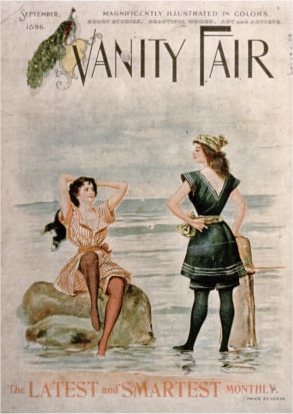
As I wrote in a previous post, I read Tina Brown’s Vanity Fair Diaries with some fascination and yet a sense of repellence. Two areas in particular gripped me: the first, her take on editing and what makes good writing, and the second, her thoughts as a Brit living in America on finding home (which I wrote about here). My thoughts are in italic, interspersed with extracts from her book. As I read an advance copy in ebook format, I don’t have page numbers to share.
One part of the diaries that I didn’t enjoy was the name-dropping, but mainly I wondered about the diaries’ veracity. Not that she was lying, but how she wrote them. For instance, how did she fit in the writing of these diaries into her Very Important Life? I felt like she was keeping the diaries for future publication, crafting her experiences even as she was living them with the rearview mirror in her sightline so as to shape the final product into something saleable. As she says below, her retirement pension.
Ed Victor walked into my office in a burst of good cheer and told me that at the ABA the editor in chief of Crown had told him he would pay in the region of 250K for a novel by me! The catch is, I have no time to write it. Ed said, “I hope you’re still keeping a diary. I see it as my retirement pension.” Wish I did have time to write a book. I’ve always thought my “outer life” was research for the day when I’d just withdraw and write about it. The only reason I go out is observation greed. Churning through the cast of New York society, I see it as the ever-moving slipstream of a novel. At Billy and Jane Hitchcock’s dinner in Gracie Square the careless beauty of the rich was never clearer. Amanda Burden’s slim, fragile shoulders in a red chiffon spaghetti-strapped dress and biscuit-colored legs. Bill Hitchcock’s big jaw and opinionated mustache…
At times she’d throw in a line like the one below that would jar me, waking me up out of my stance as a reader as I’d feel it lacked authenticity. I wrote a note in the margin: “So cheesy.”
I want our child to be conceived here, I want this to be our special place where I can be with Harry always.
As one with a long background in publishing, I appreciated her thoughts on writing and its business. Such as:
Deadlines are a great antidote to insecurity.
I suggested what I always do to encourage first-timers: Just write as if in a letter to me, pour it out and we’ll help knit it together; not to worry about structure.
How does one become a writer? You can learn the tricks of the trade, but you have to have an innate quality, I think, of being aware and curious:
He seems to me such a natural writer. You can teach people structure and how to write a lead. But you can’t teach them how to notice the right things.
And as she says, many editors and writers are introverts, but need boot-to-bum to get out of the chair and go experience and observe life:
Ed Epstein told me that when Clay Felker was editing he would walk by each desk at lunchtime and say, “Why aren’t you out?” It’s essential if you are an editor to do so, and being an introvert by nature, I remind myself of this each time.
Photo: Nic McPhee, flickr
She describes one of the hardest decisions I faced as a commissioning editor:
The real agony of editing is not the bad piece versus the good piece. That’s easy-kill one and publish the other. It’s the borderline piece that is the source of woe. The piece that’s perfectly good, inoffensively unexceptional, just okay, usually written by someone who’s an almost friend or an iconic name or a writer who just didn’t give their best this time but might well in the future. I have no fear of rejecting the bad and prefer to do it fast. But borderline pieces bring out the worst in me. Out of weakness I sometimes first assent, then think better of it, then am tormented by something I truly want to put in its place, then, as more of the really good surges in, ultimately eject it, making an enemy forever and wishing I’d had the discipline to just let it hide there among the good stuff as an investment in the future.
What makes a good editor? I agree with her thoughts below, which is why I found that meeting a potential author in person and spending time with them, say, over lunch, was so very important and necessary. I loved collaborating with authors, helping them uncover buried passions or give voice to what they wanted to say.
An editor’s job is to make people say yes to something they hadn’t thought they could do. I love getting to know writers and listening to what turns them on, which is often the direct opposite of what we had originally started to talk about. So often what they are actually known for doing doesn’t reflect what they should be doing.
And I agree with the sheer joy of editing, of making prose sing, of reducing the unnecessary words:
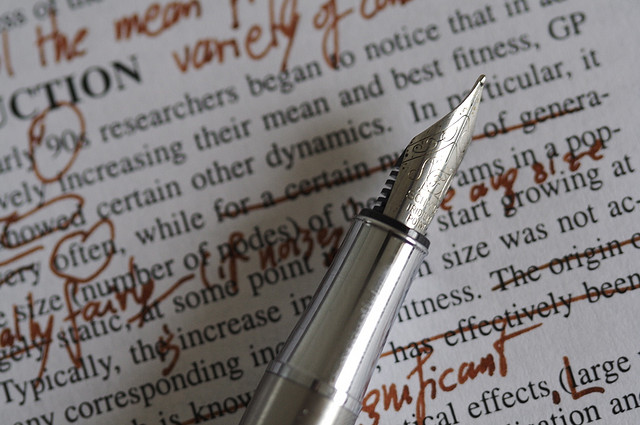
I’ve always loved the routine aspects of editing, the poised pencil, the swift identification of the lines that have to go, the insert that will make it sing, the rewarding moment when you see that the whole thing should start on page nine and flip the penultimate paragraph to the top of the piece, and all you want to do is call the writer immediately and tell him or her why.
Yes – writers need editors:
Surely what The New Yorker needs to be is not just a “writer’s magazine” but a reader’s magazine, because writers, unless guided and edited and lured out of their comfort zones, can go off-piste into dreary cul-de-sacs of introversion and excess and entirely forget about questions of content and pace.
But editors are often undervalued:
Writing brilliant sentences (and editing them) does not have the market value of writing brilliant code, even though, as we learn every day, critical thinking is the DNA of democracy.
If you’d like to read some of my other posts on writing, you can find them in my FAQs page, toward the bottom.
What strikes you from Tina Brown’s memoirs, on the topic of writing and editing?
I’ve long admired Tanya Marlow’s “What I’m Into” posts. She humbly points to another blogger as the originator of these monthly missives about what they are reading, writing, watching, and doing. But I don’t know the other(s) so I’m going to point to her as my inspiration. Looking back over the month just gone provides a wonderful way to remember what I’ve been thinking and experiencing, hopefully with an attitude of thanks. And to share with you some fun finds.
This is a long post – I don’t recommend as spiritually healthy this level of activity without rest – so do skim and scroll down, and if you make it to the end, I have some recipe recommendations for you. Blonde brownies, no less.
Finding Myself in Britain
Hey y’all, I’m a published author. I say that not with gloating but with wonder, for my journey to publication – book publication, that is – was a long and arduous one. (I write about the stinging words batting me down here, and my tangled writing journey here.) I could see myself as a writer, but not so much as an author.
My publishing mentor has been wonderful in helping me make the transition. When I was redesigning my website, he said I needed to lose the “editor” from my bio and go with “author and speaker.” I did so with his encouragement, feeling some of that imposter syndrome. Then recently I looked at the bio on the back of my book and realized with a jolt that “editor” was there – and now that felt odd!
I have great joy in seeing Finding Myself in Britain reviewed and purchased, some of both happened in March. I gulped early in the month when I received an email from my publisher saying that the Church Times – the Church Times I say! – had reviewed my book. Holy Toledo, my heart was pounding as I read the review. I was humbled and amazed – here’s an excerpt from the 4 March 2016 edition:
“…Full of perceptive comments about the habits we fall into and the assumptions we make. Her tone is warm and self-deprecating,… A helpful reminder of what it is like to be a stranger in a foreign land, and an effortless read that will, no doubt, bring entertainment and comfort to many who have ever lived as expats.”
Some informative and fun blog posts on topics related to my book happened this month. Don’t miss my interview with visionary publisherSteve Mitchell. He has great advice for writers.
I love how I can blog about tea and it never fails to incite a response on Facebook. Here’s the post about CutiePyeGirl as she made her first cuppa, and here’s the Facebook discussion. What do you think about tea? Love it or loathe it?
I continue to adore the “There’s No Place Like Home” series. Wow; such a wealth of riches from people writing about what home means to them. Don’t miss this month’s contributions from Catherine Campbell, who writes about pondering what home means while way up in the skies, Amy Young, who writes about finding home while in transition, Claire Musters, who addresses the challenges of making a home when its in continual use for ministry matters, and Shaneen Clarke, who pens a love song for London. All of the posts in the series can be found here.
Reader Reviews
I love reading reviews and emails from readers, and was so touched when a fellow clergy spouse emailed me after reading my book. I won’t share from her email, but later she kindly posted a review online:
On reading Amy’s most enjoyable book at the beginning of this year, I came to chapter 10 and was challenged to have a party. You see, I, like Amy, have a January birthday, which can be a depressing month to celebrate in for various reasons, and I couldn’t remember the last time I’d invited friends to a tea party! I used some of the ideas Amy mentions, everything went really well, and everyone enjoyed themselves. So thank you Amy for being the trigger, through your book, to me having a very happy afternoon with my friends.
PS There are a lot of good things to read about in all the other chapters too! Eunice
I was chuffed when one of the readers of the Woman Alive book club posted this review in our Facebook group:
Whilst reading this book, I felt very much as though Amy was sat in a café talking to me. I laughed at the funny moments, like when she used an ancient tea bag for her new English boyfriend. There were hurtful moments too, such as when she was made fun of at a public dinner over the way she pronounced words.
Amy has confidently written down her heartfelt emotions before moving to Britain, and after. Culture shock arrives at unexpected moments, and so she shares her experiences and explores how to deal with these times.
Amy is a journalist who likes to study the background of a subject and unexpected stories weave cleverly through the book – this includes Harvest Festival, Thanksgiving and the Pilgrim Fathers. She writes pithily about Black Friday.
Living in a different culture can be extremely difficult, however hard one tries to ‘fit in’. At the end of her tether one day, Amy said to an American visitor: “All of life is Lent.” She then goes on to explain how through the years, she and Nicholas have created a life together of ‘old’ and ‘new’ where they can grow together. Amy points out how God ‘holds our hands to let us know he is with us, and helps us turn our aches and longings into the solid hope of heaven, giving us an eternal perspective’. Deep thoughts arising from deep longings.
I like the way this book is divided into logical sections for ease of reading. If you are: planning to live in another culture, marry someone from another country or even stay in your own culture but be in Christian service where you meet and greet peoples from all walks of life, then do read this book. You will feel encouraged. Carol Bye
And having reviews by people in the book trade humble me down to my socks. This one is from a former sales representative of STL, Tim Alban. It’s the first review he wrote after leaving STL in 2009!
Growing up near a US Air Force base, especially with a Grandmother who rented a house to service families who wanted to live off base, I’ve long had Americans as a part of my life. I have American friends, and like friends from other English speaking countries, I am fascinated by what we have in common and also what divides us.
My perception of Amy’s book was that it would be a Christian version of a Bill Bryson book but whilst there are certainly parallels there is much more to Finding Myself in Britain than that.
The first thing that struck me from Amy’s book was that even though, I have other friends who have transplanted themselves one way or another across the Atlantic, I had underestimated the practical and emotional upheaval involved; Amy writes openly and honestly about the depth of the decision making involved in her move to Great Britain, her decision to stay and her determination to make it work.
Amy is equally open about the benefits of her life as an Anglo-American – including writing about the her appreciation of our history and how she and her husband Nicholas make their respective cultures an everyday part of family life.
Another eye-opener for me was Amy’s glimpses into the demands, challenges and joys of vicarage life and the expectations sometimes placed on the spouses of the clergy.
Amy’s faith in God seasons her writing as does her do her descriptions of her church life; although I am not currently part of a church family, I appreciated reading about an Anglican church calendar I grew up with but had moved away from.
Finding Myself in Britain is a candid, entertaining, thought-provoking read and I am please to recommend it. Tim Alban
Devotional Writing
I was thrilled to have my second article published in Our Daily Bread in March – my first was published in February on one of the days I spend in Central London for my master’s. It felt surreal, as I was off social media for much of the day, to go online in the library at Heythrop College and open some lovely emails from readers around the world. Later I heard from my parents that they’d received several phone calls from people who were reading their daily devotional and were surprised to glimpse my name at the bottom – including our next door neighbors, from whom I took piano lessons for years, and my mom’s uncle in his 80s!
My second article looks at the theme from Hebrews 11 of strangers and foreigners, which I relate to my early experiences in the UK. I loved hearing from the daughter of one of my roommates when we were at Bethel University, who now is a mission partner in the Philippines. My friend’s daughter is now far from her tropical home while at Bethel, and she wrote of how one of her professors said that the Our Daily Bread reading (which I wrote) reminded him of her that day. We both thought it was amazing (“a really cool connection and awesome” in her words) that the words of her mom’s roommate while at Bethel were recommended to her by a Bethel prof!
The Living Cross: Exploring God’s Gift of Forgiveness and New Life
A sneak peek at a small part of the cover! Designed by the wonderful artist who designed Finding Myself in Britain, Vivian Hansen.
Writing my second book has been a big focus for me in 2016 thus far. I had to plan carefully to get the first draft finished, for time was more limited than I would have preferred. (See, writers, how using the passive tense I tried to move the responsibility right away from me?)
I’ve really enjoyed the writing, especially after a writing friend encouraged me to be present in the project. When I stepped back from the pressure, I remembered that I love writing Bible-based reflections (!). The theme of forgiveness is deep and rich, and I look forward to sharing the book with you later in the year. It’s the BRF Lent book for 2017.
By the grace of God and a lot of time writing (I even had sore wrists!), I finished the draft and sent it to the publisher on time. My editor gave me a seal of approval (thank you, Lord) as well as some changes to incorporate before I sent it off to my dozen or so early readers. I’ve heard from two so far, who have made some wonderful suggestions. And they’ve picked up some of the crazy mistakes I am prone to make, such as ‘lauded over’ instead of ‘lorded over’ and this query: ‘strife and amenity? do you mean enmity?’ Funny how I routinely get that kind of stuff wrong. Oh, and one Paul Sunday and another Cannan. Oops!
Jesus’ Last Words
I loved writing a month of Bible reading notes for Inspiring Women Every Day (CWR) for September 2016 on John 14-17, which is often known as the Last Discourse. It’s Jesus preparing his disciples for life after his death, and has some of my favorite bits in Scripture, such as him praying, “I in them and you in me.” Hearing from readers who enjoy this devotional or others makes me pleased and grateful.
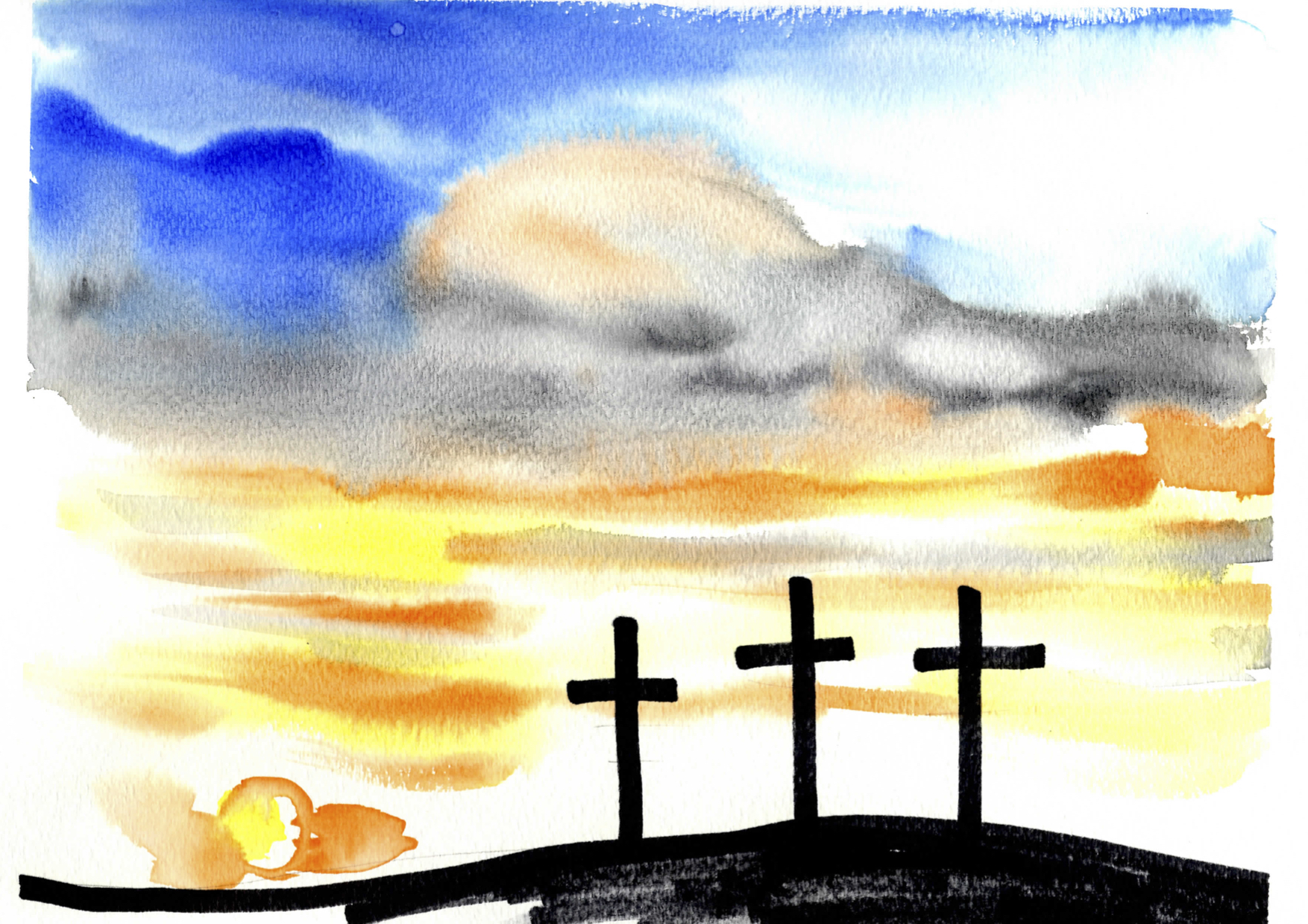
Watercolor by Leo Boucher.
Lenten/Easter poetry
As part of my Lenten discipline I decided, rather on the spur of the moment, to write a Bible-based poem each day based in the gospel of John. I found it such a wonderful exercise, as writing the poems made me slow down and digest the words. I was touched by this message from a friend:
I am so enjoying your Lenten poems. Poetry may be your best gift. A great tragedy that poetry has waned as a literary art. What can be done to revive it?
I skipped ahead in the gospel to the events of Good Friday, so soon will be heading back to part of the Last Discourse to continue.
Also on the blog I finished up the Pilgrim devotional series, which I had run for 11 weeks, and look forward to figuring out what to feature next.
Speaking
I led my first quiet day for BRF (the Bible Reading Fellowship, publisher of my Lent book), and although it was a lot of work, I really enjoyed the day. We held it at our church, which turned out to be a wonderful venue, especially for those people who hadn’t been able to attend quiet days in the past when the venues weren’t accessible via public transport. We have Victoria Park right across the street so people could spread out during the quiet times, or they could find a nook to enjoy in the church or the vicarage garden. As one of the participants say, the bright sunshine was the icing on the cake for the day.
Photo: Ineke Huizing, flickr
The theme was living water, which I so enjoyed exploring from Creation to Moses to Jesus to Revelation. Putting together the prayer activities was fun too, such as people writing on a piece of acetate something they wanted to give to God, which then they’d see the water dissolve.
I penned a short poem during the day:
And I loved receiving comments from the participants, some of which were hugely moving as to how God worked in their lives. Praise him! One of the participants gave me permission to share this poem, which she wrote on the day. She said, “I don’t usually write like this so it’s come as a bit of a surprise.”
Two days after the quiet day I went down to the New Forest to speak at a women’s breakfast at Poulner Baptist Chapel on the theme, “There’s No Place Like Home.” What a wonderful group of women; I thoroughly enjoyed myself – especially as I got to have dinner with a dear friend the night before, and another lovely friend took me to the New Forest for the breakfast. She knows how much I hate to drive.
I had forgotten how I came in touch with Anne, the woman at the church who invited me to speak. She had written in to Woman Alive after buying a book that one of our readers had recommended. The content wasn’t exactly edifying, and I felt bad that I hadn’t done a better job of vetting the reviews. I apologized by way of sending her a copy of my book. We struck up a friendship and that’s how the invitation came about – God’s redemption at work!
The lovely original chapel – Poulner Baptist Chapel in the New Forest.
I’m looking forward to other upcoming speaking engagements, including the silver anniversary celebrations at Books Alive in Hove in June and being the keynote speaker (wow and wow) at the BRF/Woman Alive day in June – yahoo! It’s 25 June and more details are here if you’d like to join us. Please do! We have some fabulous speakers and Jennifer Rees Larcombe is heading up the prayer ministry team.
And of course I’m keenly anticipating leading the week’s retreat in Spain at El Palmeral, the place for a gorgeous retreat/holiday in Elche, near Alicante. The title is “Adventures with God,” including a trip to the beach, and some spaces are available for 25 to 29 April. Do come – it’s an amazing place for rest and renewal and fun.
The grounds include a labyrinth.
Master’s in Christian Spirituality
I’m loving the master’s I’m doing in Christian spirituality at Heythrop College, University of London. The lecturer, Eddie Howells, has been superb. He has a way of taking people’s contributions and synthesizing them while affirming the person. Such a gift. I will miss his lectures as I’ve now finished the lecture portion of both modules I’m taking from him.
This month I’ve been reading Teresa of Avila, John of the Cross, and Meister Eckhart, among others. The course is “History of Christian Mysticism to the Reformation,” so it’s been a whole lot of reading, from Augustine to Origen to Bernard of Clairvaux to the Beguines. I need to take some time to try to make some more links and ponder. The so-called apophatic, or negative, theology, I found challenging in particular. Writers such as Dionysius write in this fashion, where they state a negation (what God isn’t), followed by another negation, and so on. It starts to boggle the mind.
For my end-of-year essay for my Intro to Spirituality course I’ve chosen to write about John Cassian from the 400s. He wrote a couple of so-called conferences on prayer that I want to explore, which he wrote for the monks in his care. He was one of the first to emphasize unceasing prayer, so could be called a precursor to Brother Lawrence.
On study methods – I found out, after I’ve enjoyed two of the four modules, that I shouldn’t take notes with a laptop. Oh dear! Back to pen and paper next year. Looks like our brains process information differently.
I had a hard time selecting a book to highlight for the June Woman Alive book club, trying several and tossing them aside when I wasn’t gripped by their content or structure. I won’t mention which ones they were! I landed then on The Wired Soul by Tricia McCary Rhodes, reading it and enjoying it, before I realized that it wouldn’t be published for several months and thus I couldn’t feature it in June. Back to the drawing board. Then I remembered Land of Silence by Tessa Afshar, which gripped me from the beginning. It’s fiction set in the biblical times and I really enjoyed it – review coming in the June book club, along with an interview of author Claire Dunn.
I also finished The Girl from the Train by Irma Joubert, fiction based in Poland and South Africa around the time of World War 2. I’ve posted some questions for readers to discuss in the Woman Alive book club Facebook group if you’d like to join in.
As I was writing the June book club, I started to do the math and realized that July will mark 10 years of the book club! How fun to celebrate this anniversary of books and more books. I’m publishing reader reviews of what the book club has meant to them or a favorite book they’ve read, so if you’d like to contribute please do. Also I’ll be featuring an interview with the inimitable Michele Guinness on her novel Grace.
For my local book club we read and discussed The Husband’s Secret by Liane Moriaty. I enjoyed it after I was about a third of the way through, for the novel has so many characters that I couldn’t keep them all straight at first. I thought because of the many themes in the book we’d have lots to discuss, but our discussion didn’t take off as it often can. A fun book to read but not great to discuss? When finding some discussion questions for the evening I came across one book club that takes the task of preparation so seriously that she even prepared a power point!
We love that technology can keep us connected with people who move from London. Previously one of our members was in New York City – she’d join by Skype as her kids started to arrive home from school. Now we have a friend who has moved back to Japan, and she somehow amazingly manages to get up around 4.30am to join in.
I’m excited for the next one we’re reading, All the Light We Cannot See, which has won the Pulitzer Prize and has been super highly recommended to me.
In the Kitchen
Blonde brownies: We were seeing friends on Holy Saturday and I ran out of Ghirardelli brownie mix, and had to find something to make with the ingredients we had at home as I didn’t want to shop on Good Friday. Decided to make blonde brownies, but underestimated the time they’d need to cook. The recipe I used called for 20-25 minutes of baking; I had them in there about a half hour but later when I tried to cut them I realized they were still way underdone. I shoved them back into the oven for another 10 minutes. They were gooey but good.
I made another batch for the Easter Sunday tea party at church (that sounds so English), this time with the 4 eggs the recipe called for instead of the 3 I used the day before, and cooked them about 45-50 minutes so they were moist but not dripping. The 4 eggs made them more into a cake. Three eggs is definitely better. Here’s a similar recipe to what I used.
Homestyle Macaroni and Cheese: I had a hankering for mac-and-cheese, and didn’t want to pay the equivalent of $5 for a box of the Kraft fake stuff. So I made a batch with this recipe. I found it called for far too little pasta – the sauce was overflowing so I added almost twice as much pasta as it said. Not sure I’d make it again. Note for translation – 7 ounces is about 200 grams.
A friend made this lemon cream cake to celebrate her husband’s birthday – looks amazing.
At my local book club we enjoyed this Nigella recipe for flourless brownies. They were to die for.
A highlight from February
Having my parents visit for the half-term break was brilliant. The three of us went very early on Valentine’s Day to a self-service interview booth for me to be interviewed by BBC Radio Berkshire.
So tell me, please. What are you reading, thinking, learning, and enjoying?
What a great pleasure it is for me to welcome Steve Mitchell to my blog today. He’s a visionary, mentor, and encourager, and has probably the strongest and deepest understanding of the UK Christian retail market out there. I owe him a deep debt, for without him, my book would never have been published.
So you have a couple decades of experience with retail, and specially Christian bookshops. How did you get into bookselling? What do you love about the business?
I have always loved books. I grew up as one of those kids who used to read under the covers with a torch – books were always going to be an important part of my life. I fell into retailing as a career, and following a conversation about life with a friend of the family whilst on holiday, we ended up opening a Christian bookshop in Kingston-upon-Thames. I spent 15 years in retail and was inextricably drawn into publishing a few years ago.
My passion in life is to help people go deeper. I love it when we learn new things about God, life and ourselves and become better for it, and books are an amazing tool for deep change. Whether it’s teaching, or an amazing novel that pulls you into another world, a turn of phrase that you can’t let go, a piece of poetry that expresses a feeling that we can’t put words to, all of these are found in text. I love the tactile pleasure of the container of all these words…“a book”. Yep, I’m self-confessed book geek.
A look into Steve’s retail store, back in the day.
How does your history and experience inform your publishing?
Having spent so many hours behind the counter in a bookshop, my approach to publishing starts with thinking, “What should I recommend to my next customer? What is her outlook on life, her mind-set, hopes and dreams? What is the story she is telling herself about her life, and what can I offer her in a book that resonates enough with her to lead her to change that mind-set and her life?” So for me it starts with the reader but ends with the writer. Understanding the interplay between the two creates the dynamic of a deeply engaging book. I hope that my publishing is shaped by the knowledge, intuition, stories and lives of the writer and the hopes, dreams and needs of the readers.
An early example of Chapter and Verse being an internet bookstore. Hmmm…. perhaps they should have stuck with that!
When I came to you as a potential author, you could tell that I was muddled in what project I should pursue (having been turned down through my agent by 15 publishers). Tell us about our meeting in Birmingham and how you approached advising me on what would be the best first book for me to write. What sorts of things sparked your thinking and ideas?
Ok, are you prepared to be brave Amy? This is your blog! My initial response to your first autobiographical proposal was that it was interesting but wasn’t going to give readers enough value to stick with it all the way through. I could see immediately that you wrote beautifully, you had some amazing stories, some engaging and original ideas, but also that there wasn’t a strong enough hook. I also warmed to the way that you were very open to input, used your own editorial experience to be objective but held your author passion closely. So that gave me plenty of depth to work with.
I can’t put my finger on exactly what prompted the ideas, but have learnt over time to fall back on my character type which is introverted intuition, in Myers-Briggs typology, INTJ. This means if I give myself enough time and space to reflect on the questions in your writing, I can connect up enough parts to make a better whole.
As you had lots of great chapters, the challenge was to find a structure for the book that was fun and engaging. That creativity continued through each edit, even towards the end when you suggested adding the recipes, which was a fantastic addition for the reader. [Amy adds – actually, that was a recommendation of Michele Guinness.]
So for you, I never had the question of whether or not you could write a book, but finding the book that reflected what God had uniquely shaped you to write.Finding Myself in Britain was that book.
How did you come up with the “Michele Guinness meets Bill Bryson” in a through-the-year approach?
I’m not sure that I did, it may well have been you! The dialogue between an author and publisher should be open, honest and creative, so in our conversations I can’t remember who articulated what but I know it was the creativity of the process that drew out the best we both could offer. The hook of MG meets BB was a line that we could offer to booksellers to help them share the style, genre and heart of the book.
I believe all authors should drill down the concept of their books into a memorable phrase that is sticky and shareable. It also means that as the author writes and re-writes, that they keep the main thrust of the book front of mind. Too many books try to do too much and the connection with the reader is lost.
My advice to writers is to write for a person that you know, and that you think needs to hear what you have to say or will enjoy the subject that you are writing on. If you try to please everyone then you’ll fail and disappoint most readers.
So in the editing process as we talked about your life, stories and your hopes for how you wanted your readers lives to be impacted, it seemed to me that your journey from your beloved homeland into a strange different world offered unique insights into life faith and culture. If we could capture those insights in an interesting and inspiring framework which guided the reader to greater confidence in God rather than where they live and their home culture, then we would have a book that was unique, fun to read, and yet get gave the reader some meaning and value to their life.
As I laid down my first draft, I sent you chapters to read and give feedback on. What surprised you by this process?
I think it was how much of me that I had to put into the process. I had to walk the journey with you, feel what you were feeling, connect with the why as well of the what of the stories.
Then later on, after I’d written my manuscript several times, we had a discussion about spelling and punctuation that resulted me in floods of tears. Did you ever think someone would take these matters so deeply to heart?
I knew you would be passionate about the words, a pain about grammar and language, stubborn about certain sections … yes I’m talking about the chapter on plumbing here. And oh yes … the discussion about spelling and punctuation, which was of course, not about spelling and punctuation at all. You had been so vulnerable about relocating from the US to the UK, and in that moment popped up the thought, “Hey what if this move is permanent? So how do I hang onto part of my old life … I know, words. Right, Mr Publisher, I want American spellings!”
At that point in the writing you allowed yourself to think and react to the deepest of questions. The spellings were just the outward reflection of this. This was you going first on the journey that you were taking your readers through. To your great credit, you allowed yourself as an author and person to take the harder route.
Best book tower ever! #FindingMyselfInBritain
You’re brilliant at advising and envisioning authors/content creators. In closing, what advice do you have for them in an age where discoverability is such a challenge?
Well, thank you. With all my Britishness it doesn’t feel like that. I’m just muddling through.
For our writer friends, the world of writing is more open, exciting, scary and challenging than ever before. It is so easy to put your writing out into the world, but so difficult for those words to be found or to stand out. Writers, I believe, need to think first about their readers, and to consider the impact that they want their words to have. Then they need to structure their writing and profile to their audience. Ask yourself, what value will my book add to my reader? Why should they choose to invest their time in my words?
Be clear about the response you want from your book. Think deeply about your ideas and concept – make them as original and unique as you can. Improve your skill and craft as a writer, read lots of good literature, take your time to write the best that you can.
Get objective outside help: Send your writing to ten friends, and if they then pass it on to ten of their friends then you know that you’ve got something. If they don’t, then go back and work harder at it.
Be realistic about your reach. If you want your writing to go further than friends and family, then you need to build a platform for you and your message. If you want to be a voice of influence then you have to show up thoughtfully, respectfully, engagingly and, I strongly believe, consistently in their lives. Only then will you be given the permission by readers to allow your words into their life.
Above all, keep writing. The world will be a better place with great books and there is no reason why that can’t be your writing. Keep writing, growing personally and developing your craft – and even if it doesn’t result a large number of readers, you’ll still have added value to the world and helped some people.
Steve Mitchell is a lover of books and music, preferably served with great coffee. He is on a mission to help people live a deep and fulfilled life. To that end, he publishes books for IVP and loves coaching and mentoring. To relax he’ll pick up his beloved bass and jam along to some blues. He’s a Londoner living in Cumbria with no plans to return. The older he gets the more he enjoys learning, and having completed a Master’s degree, he is now working on persuading his family to let him to a PhD.
To read other posts in the Behind the Publishing Scenes series, click here.
To buy the fruit of our labo(u)rs,Finding Myself in Britain, you can find it at Christian bookshops, from me, or online at Eden or Amazon. If you’ve read it, please I beg you, write a review online. Word of mouth matters. Thank you!
What strikes you about the vision process in producing a book?
An oft-repeated piece of advice for writers is short and sweet: “Read.” As writers we need to immerse ourselves in words, and usually this has been our bent from birth. We are those who as children got told off for reading with our friends on a playdate (yes that was me), or for not engaging with the family on car journeys because we had our nose in a book (me again, before I starting suffering from travel sickness). We read the back of a cereal box as we eat or scan the junk mail when we’re waiting for the microwave to finish. Reading often comes to writers as second nature.
Why read? As we lose ourselves in a book, we chew and swallow and digest the writing, which imparts richness to our writing. Although all of this reading might mean that our early attempts to put pen to paper or fingers to keyboard sound like we’re parroting our favorite authors, for we haven’t yet developed our voice. But as the words get inside us, and as we continue to hone our writing, the writings of others help us to find our voice. Read the rest at the ACW blog…
If you’re a writer, how do you handle criticism? I’m guest posting today at the Association of Christian Writers’ website, sharing the story of how I felt when I received feedback on my book, Finding Myself in Britain. Not a pretty sight.
At Friday, 5pm, I met my deadline. Having pressed “send” to my dozen reader reviewers with my manuscript, I was pleased to finish the first draft. I’d done a fair bit of rewriting on the manuscript already, passing my chapters, one by one, to my publisher for comment and critique. He unearthed hidden agendas that needed axing and quirky ways of stating things that needed rephrasing. Surely, I thought, the worst of the rewriting was over.
On Saturday at 3pm, I spotted an email from one of the reviewers. As I opened it I glimpsed her warning for me to “buckle up,” for she said she didn’t take a measured, British approach in her critiques but would be straight with me – yet she thought my baby was beautiful and wanted it to fly. I skim-read her thirteen pages of comments, the anxiety building in my gut, and took myself to bed.
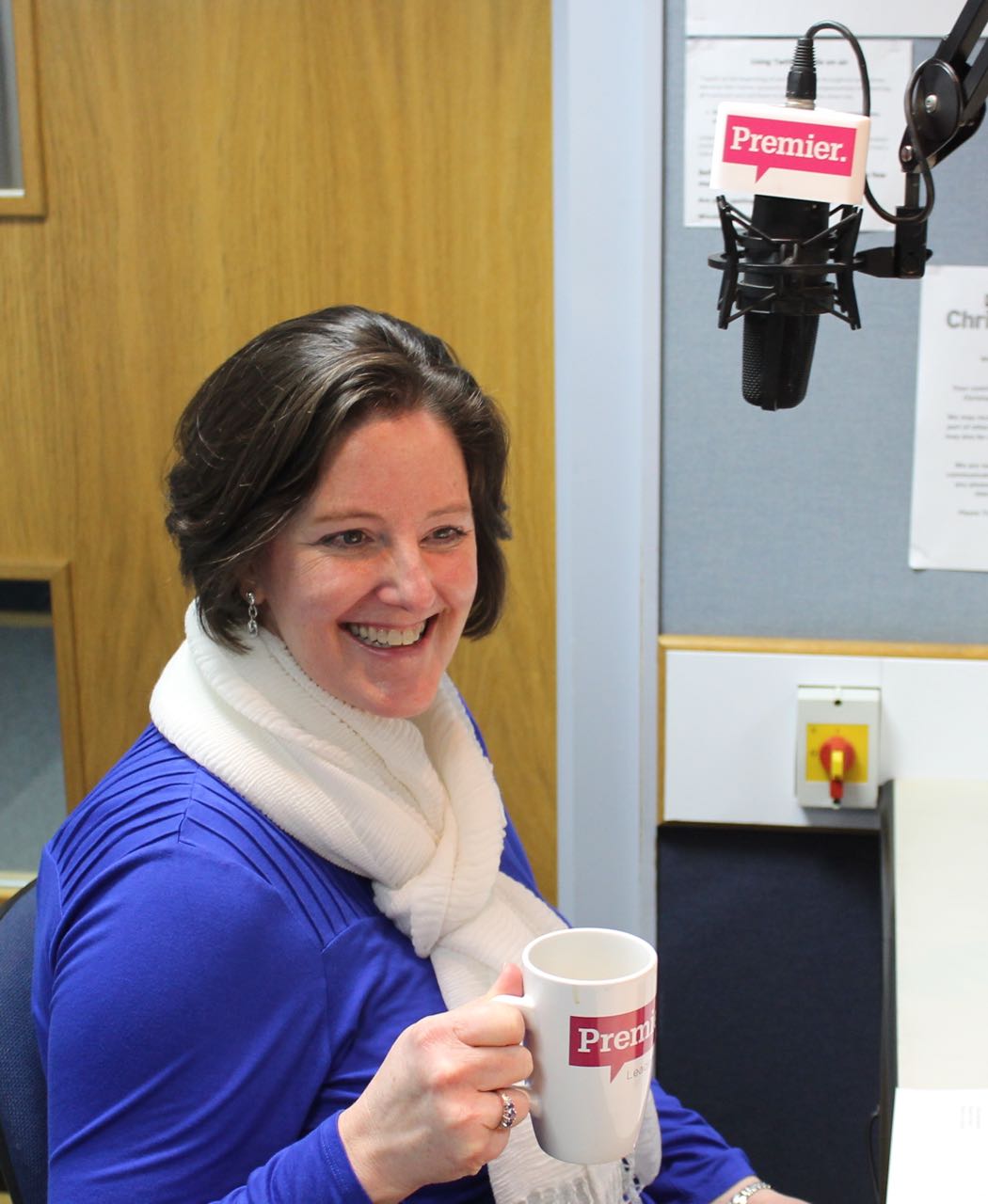
I had a lovely time on Premier Christian Radio yesterday chatting about writing and publishing for World Book Day.
In prepping for the interview, I found out that World Book Day is celebrated in over 100 countries. Many countries celebrate on April 23 (Shakespeare’s birth and death day!); that’s when the UK marks World Book Night (with the stealth distribution of books among other things). They moved the celebration of World Book Day to March 5 to accommodate schools, as the latter date is often during the school holidays. Many schools participate in the schemes where children receive a voucher toward money off books.
Here is the interview, in which we talk about whole host of writing tips and things to consider about finding an agent and publisher.
You can see some of my other writing posts here, including how to write a devotional and advice to a newbie writer.
I believe writing devotionals may be part of my soon-to-be-seriously-begun writing ministry. Have you any helpful tips as I start? I’m retiring at the end of March and although I will be a lay pastor, I will finally be able to give serious time to writing. I’ve read your CWR notes and love them!
Photo: “Bible time,” Brett Jordan, flickr
Hello and thanks for asking! I love, love, love writing Bible reading notes. As I prepare, I read and dream and research and wonder and pray, and then I get down to the writing. Often time seems suspended and I exclaim, “Wow, I love this, Lord!” But I say this acknowledging that not everyone has this experience when crafting devotionals. This kind of writing is my sweet spot; it’s part of how I’ve been made and who I am. And I’ve been writing devotionals since 2008. I haven’t counted up how many I’ve written for some time, but I’m guessing 400 or 500. So please don’t feel bad if you don’t experience the sense of sheer joy in your writing. It may come.
You asked for some tips as you dive in; here you go.
Make your words (characters) count.
“If I had more time, I’d make this shorter.” Writers of devotionals – Bible reading notes – don’t have the luxury of space. Usually the text is limited to around 300 words, so the content needs to matter. A publisher I’m currently writing for designates character (with spaces) counts, so there’s no fudging. You know, like those hyphenated words that only count as one word in a word count (The writer-who-likes-to-cheat Amy? Nope.) Write your first draft and then prune, prune, prune. Employ strong verbs – the passive voice eats up your word count. Delete adjectives and adverbs. And so on. (A read through of the classic Strunk & White can be enlightening before you dive in.)
Gather your thoughts.
In the weeks before your deadline, read through the text you’ve been assigned (or that you’ve chosen) prayerfully, asking God to reveal what he wants you to write. Start a “thoughts” file on your computer/device where you can jot down notes and illustrations that occur to you. Writers train themselves to notice details – it’s as if while we’re experiencing a near car accident, we’re also taking notes on what we were thinking when the car in front of us stopped, the hue of the sky and how the light hit our eyes, the pounding feeling in our chest when our foot reflexively hit the brakes and the car stopped just in time, and the “Thank you, Lord” prayer we exhaled. (Do stop the car before you note these down.)
Photo: Savio Sebastian, flickr
Submit yourself to the text.
I love writing notes that are assigned to me – such as the series I’m going through on my blog on Hosea, or the series on verse by verse of Psalm 18 (start from the bottom of the links). We so often skip over the hard bits in the Bible, and so writing on a chunk of Scripture in a series can be an effective way to avoid this.
But I also mean in submitting ourselves to the text that we seek not to read what we want to read in the Bible, but what God has put there. Do some research and find out the context. Don’t just jump to handy conclusions. Ask God’s Holy Spirit to reveal the meaning. Leading to…
Research.
When I first started writing Bible reading notes, I spent a week or more reading and taking notes on various Bible commentaries. In one sense I needed the help because I hadn’t engaged with the Bible at that level before. (Those of you who preach regularly will have the benefit of this close engagement.) But in another sense I found myself crippled to form my own opinion. In doing so much background reading, I was in danger of merely parroting back the ideas in the commentaries. I had to put my notes aside for several days so that I wasn’t stealing the content of others in what I wrote. (Of course, there’s nothing new under the sun, and we unconsciously share the wisdom of others all the time – along with the inspiration of the Holy Spirit.)
A lovely letter from a reader who sent me a Thanksgiving card for many years.
Journey with the reader.
This probably doesn’t need stating, but you as the writer are a fellow pilgrim, and in the writing of Bible reading notes, you’re often sharing what you’re learning even as you write. So put on the cloak of humility, because wow it’s so amazing to get paid to submerge ourselves in the Bible and to share what we’re gleaning with others!
Yes, you can use the classic formula.
Devotionals often start with an arresting anecdote, which links to the biblical text that the writer delves into, which leads to the application. So that would be
Illustration
Text
Application
Being one who likes to buck the rules, I like to vary things up, sometimes diving straight into the text, for instance. But I do seek to add an application for each reading – after all, we do want to be living under the wisdom of God’s word.
Weave in biblical text.
I love to fold into my reflections various verses from Scripture. I don’t seek to do this slavishly, for that would make it feel forced, but often in the prayer section at the end of the devotional, a verse will stand out to me as suitable for prayer and reflection. (I don’t have the mind of NicTheVic who can name chapter and verse when it comes to Scripture. I have fragments and pieces stored in various levels of my brain, so I find the search facility at BibleGateway a fantastic resource for bringing them to the fore.) Reminding the readers of the great sweep of Scripture can be helpful too, depending on what you’re addressing.
Pray.
This is the most important element of writing devotionals. Pray before you start; pray while you’re writing; pray while you’re rewriting; pray when you send off your work to your editor. We trust that God will inspire us with his word; we yearn for him to bring just the right encouragement for the broken-hearted, the lonely widower, the overwhelmed parent. We oftentimes write a year in advance, so we can’t control the outcome or the effect of what we write. Which makes the sometimes miraculous meetings between devotionals and the reader’s experience so humbling (as I wrote in a blog about some notes that God used during an earthquake in New Zealand).
I can’t explain how sometimes an illustration will pop into my head when I’m writing. Oftentimes I approach the text without seemingly a clue of where I’ll go with it in terms of the illustration and application. But as with so many creative pursuits of collaborating with God, we take the first step and he helps us to continue. As with the Israelites wandering through the desert who had enough food for the day, he provides just enough inspiration for the devotional we’re writing.
A “wow this is humbling” letter.
Try to develop a thick skin.
The first publication I wrote for had an exacting readership. Any theological matter I addressed could be questioned; any uninformed opinion taken to task. I came to dread the letters from readers, for they pointed out where I was lacking. But the readers’ letters made me welcome my editor’s comments all the more, for she knew her readership and was careful to massage my text into a more acceptable format (without asking me to budge on key theological matters). I always took the time to reply to these readers (asking God to let a humble response come through), for they had taken the time to write to me.
Then I wrote a series on being a pilgrim in a foreign land. Bulky packages from the publisher started to pop through my letterbox, and amazingly, this time the readers wrote with their stories of feeling in exile! The publisher said they had never had such a big response in terms of feedback. I heard from other Americans living in the UK or those with connections to other countries. I felt overwhelmed with gratitude at this response, made all the sweeter by my long history of not-so-easy reader letters.
I hope this is helpful; do let me know how you get on. And thanks for your kind words about the CWR notes. I’m humbled when people find my writing helpful or inspiring. Praise God!
So said the wise man in Ecclesiastes. And never has that been more true with the explosion of self-publishing, when people can crank out a book in an afternoon, converting to a digital format their academic thesis or that novel buried in a drawer. But who will read all this stuff?
I’ve been asking myself that very question as I bury myself in words as I write my first book. Will anyone care? Do I have anything to say? I’m trying desperately to reserve judgment, or I’ll remain paralyzed.
My journey to book publication has been long and arduous. Sure, I compiled a couple of gift books for Lion Hudson a few years ago, but somehow those don’t seem to count like the First Real Book. You know, the one that deserves capital letters.
About four years ago (or was it even longer?) I set about writing my first book. I wanted to write about learning to see ourselves as God’s beloved, and how that understanding changes everything. I read and researched, went away for some power writing trips to a friend’s house in Eastbourne (thanks Kev), and had no clue how the book would come together. I had a chapter on self-hatred and a chapter on self-acceptance, and bits and pieces of my story. It was a mess.
I was meeting up with the amazing Michele Guinness, she a writing and speaking queen, and I ventured to send her two contrasting chapters to read before our breakfast together. (She in turn sent me early chapters of her marvelous novel Archbishop, which I loved.) As we enjoyed our granola and yogurt, she said, “Amy, why don’t you just tell your story.”
I felt like a light had been switched on. “Wow – just telling my story. Here I am writing about accepting who we are in Christ – who he has made us to be – and I don’t even feel I have the permission to be a writer! To tell my own story!”
I ditched the more prosaic of the chapters and set about ordering my narrative. Wrote and wrote and wrote some more, poring over my journals and reliving some ghastly and funny experiences from my twenties. I dreamed of writing for not only a British audience, but an American one too.
Months later, I knew I was stuck. I enlisted (yes, hired!) the expertise of an editor friend, who helped me to shape and form and put together a proposal. She could see how to phrase things, what the marketing hooks might be, and helped me with a title: Beloved of God.
Research books for Beloved of God.
Finally I was ready to send off my proposal and sample chapters to the literary agent of my choice. Because I’ve worked in Christian publishing for a couple of decades, I’ve had the opportunity to meet more than one of these sometimes hunted-down gatekeepers. I approached the amazing Steve Laube, whom I had connected with some years previously when he was the nonfiction editor at Bethany House and I was an editor at HarperCollins UK. I sent off my stuff to him and was blown away when later he actually said yes, he would represent me.
After a few months of revision and shaping, we sent off my proposal to sixteen publishers, both US and UK. Some of the “no’s” came thick and fast. Others took months to arrive, and some publishers didn’t respond either way (I’m told that’s common these days, but find that hard to stomach). One of the rejections was particularly painful, and I don’t think the writer of the review ever intended for me to see it. Others, however, were constructive. Still hard, of course.
One publisher believed in me, and said yes. When I sat down with their MD (yes, for whom I do freelance publishing work), Steve Mitchell, I said, “Well, I was so aiming for the US market with this book. I don’t have to write it if you want me to write something else.”
I don’t think he’d be a brilliant poker player, for his face revealed all as his eyes shone relief.
Having agreed to ditch my years of efforts, we then had the hard task of finding what book I should write. I wasn’t short of ideas – I’d love to write a book on prayer and a devotional, for instance – but I kept being stymied. I sought the help of an amazing editor friend in the States for direction. She had some wonderful insights, but cultural differences reared their ugly head: What she thought was snarky writing, my British publishing friends thought wasn’t snarky enough. (Snarky? Me, snarky?)
Finally I told my MD that he’d have to be my commissioning editor. I knew I needed the objective outside view of someone like him, who had years of retail experience and now was immersed in the UK publishing scene. We crossed the country to meet in Birmingham, him traveling south and me north, and he set forth the idea that I should pursue: the observations of an American transplanted into the UK.
Research books for View from the Vicarage (much more fun).
As I accepted the writing commission, I realized that I was relinquishing the American market. Okay, we may sell a few copies between those huge shores, but my voice is here in the UK, not there. So I approached my US-dwelling agent, and he graciously agreed to release me. Maybe some years hence we can partner together; who knows?
But for now, I’m relieved not to be reading those angst-ridden journals from my twenties. Instead I’m thinking with love and affection of my adopted people, trying to put into words their quirks and treasures. Why will a cup of tea solve all our problems? Which goes first on a scone, cream or jam? What is the art of queuing? And how can one’s family be kept from gaseous explosions over the Christmas period from all the Christmas cake and pudding?
Lord willing and the creek don’t rise, View from the Vicarage will release October 2015. An unexpected first book. But that reflects our unexpected God. After all, who’d-a-thunk I’d still be living on this small island nearly 17 years after leaving the States?
Want to know why I write? Last week I explored those questions while continuing the Monday Blog Tour, which you can find on Anita Mathias’ blog. This week I’m hosting Cathy Le Feuvre. She’s one of “my” authors, for as you’ll read below, I’ve just commissioned her and Debbie Duncan to write a book, Life Lines, for Authentic Media. It’s a fab fictionalized account of two friends doing life together, of which Michele Guinness says, “Embedded in this wry, witty and revealingly frank correspondence is many a buried gem of wisdom on the basic, gritty issues of life that make us laugh and make us cry, and that we survive by sharing.” Look for it this autumn!
And now, over to Cathy.
Thanks to Amy for nominating me for the Monday Blog Tour. It’s been great getting to know Amy these past few months, since we first met in her home in North London over lunch and a very long chat. Amy is the editor for my latest book, which I’m co-authoring with Debbie Duncan…but more of that later!
As with the other Monday blog hoppers before me, I’ve been presented with a series of questions to answer. Just between us, this is a little strange for me. I’ve been a journalist for thirty odd years, off and on, so I’m usually the one asking the questions.
However … here goes!
What I am working on?
Right now? I’m researching and writing a new book for Lion Hudson publishers which is due to be completed by early autumn and is scheduled for publication next spring. It means I’m spending half my time in Victorian England.
It feels really strange seeing those words in print – ‘I’m researching and writing a book’ – because I think ever since I can remember I’ve had stories in my head and have been telling stories – to my teddies, my dollies, school mates in the dorm (I went to boarding school) and then various nieces, nephews, godchildren and anyone else who would listen. Ever since I can remember I’ve yearned to be a ‘writer’, an ‘author’, but secretly I was always a little scared to take that leap of faith. Although I don’t consider myself a natural crowd pleaser, I suppose I was always worried about whether I would cut the mustard. What would people think of my writing, my ‘ambition’? Would people think me arrogant? If I made my ‘dream life’ a reality would it all come crashing down? And then where would I be?
So, I became a journalist! Local newspapers, local radio then news and current affairs reporting and presenting in regional television and a career as a producer in network TV where I worked mostly in ‘religious’ broadcasting. Finally I found myself in PR and working for The Salvation Army UK church and charity organization – The Salvation Army also happens to be my church of choice. I was Head of Media in charge of a press office, reputation management and so much more.
I was writing. Every day. I wrote news stories and reports and TV and radio scripts. I wrote press releases and official business reports. I helped others to write. I learned to write with purpose. And in my ‘spare time’ I still scribbled my stories and poems, and scripts for church plays and presentations, and started and sometimes completed numerous stories, novels and books. I was shortlisted in a national Children’s Short Story competition and began to think “maybe I CAN DO THIS!”
To cut a long story short, finally, five years ago I took a deep breath and stepped out in faith and quit my full-time job. Within months of going freelance, I was commissioned by Lion Hudson publishers to produce a book about The Salvation Army in advance of the Christian movement’s 150th anniversary next year – 2015. I said ‘Yes!” Obviously.
Of course, I still work in PR, journalism, broadcasting and training to pay the bills but the creative writing has developed beyond my wildest dreams even if it doesn’t yet pay much. I’m learning to live on trust. Sometimes it’s touch-and-go at the end of the month, but God has been good. More writing projects/books are coming in and doors have opened for some paid work which keeps me afloat, is extraordinary interesting and has introduced me to new friends and opportunities. There’s a passage from the Bible which has popped up time and again over the past years and I live with the words in my heart – ‘For I know the plans I have for you,’ declares the Lord, ‘plans to prosper you and not to harm you, plans to give you hope and a future.’ (Jeremiah Ch 29 v 11 NIV)
In September 2013 my first book was published. William and Catherine, the love story of the founders of The Salvation Army told through their letters (Monarch books).
The second book is on the horizon. This autumn Debbie (Deborah) Duncan and I will publish a book called Life Lines – which is basically an online/email ‘conversation’ between two fictional friends, both Christians, both of a ‘certain age’, one married with family, one single. This started out as a fun project based on conversations Debbie and I had while commuting together into London. We live near each other at the moment so when travelling into work we often shared a vehicle to the station and took the train together into the city. We swapped life stories and laughed so much we decided to write something down in the form of a fictional story of friendship. And, thanks to Authentic Publishers and the magnificent Amy Boucher Pye we have a book which, we hope, will make people laugh but will also provide moments of reflection as we all think about why we do what we do, as Christians, women, and friends. Life Lines has been great fun to write and we’re very excited about its upcoming publication.
As I said at the start of this question, I’m currently researching and writing my next book for Lion. It’s the story of a scandalous and intriguing court case in Victorian England – a court case which highlighted an evil of the times and ultimately helped to change the course of history. It means I’m spending a good deal of my time in Victorian England and the Old Bailey. Fascinating!
Why do I write what I do?
WHY do I write? Because it’s my living and my passion. Simple!
I write every day – either for magazines (articles) or clients (ghost writing/press and media/reports/social media). I have also thoroughly enjoyed writing devotional material – Bible Reading Notes – for Scripture Union’s Closer to God series over the past three years which has also encouraged me to delve more deeply myself into God’s word.
Over the past three years I’ve also learned to build basic websites and I write (sometimes rather intermittently) on my own website and blog and daily on my own social media networks (various Facebook sites, and Twitter @CathyLeFeuvre). I also write articles for various online sites, like Hub Pages, which is good fun and keeps my tight writing skills up to spec.
How does my work differ from others in its genre?
The publication of William and Catherine was very special for this first-time author. Experiencing my first book launch last September, seeing my book in bookshops, and featured on online sales sites like Amazon, attending promotional events and actually signing copies and running events/evenings/afternoons where I talk about the Booths and how the book came about is a great honour. Next weekend (Sat May 31st – 10am) I’ll be speaking at the Bloxham Festival of Faith and Literature. What a buzz!
The fact that I’ve been first commissioned to write ‘serious’ historical-based narratives is great for me because it’s well within my skillset as a journalist. I love to research! I’m current loving my digging around into life in the under-belly of Victorian society!
But even with my ‘serious’ work I aim to make it ‘user friendly’ and to incorporate my creative writing skills whenever possible. William and Catherine is a biography of the founders of The Salvation Army, William and Catherine Booth. But the word ‘biography’ sometimes puts people off reading, so I wanted to come at it from a different perspective. I leave the very serious, theological stuff to others more learned than myself. As the full title of the book implies, I used the personal letters of William and Catherine Booth to build their story. The letters are held in trust in the British Library and I loved spending time in the library in London pouring over the hand-written notes and letters which they exchanged over nearly 40 years, from their first meeting until Catherine’s death in 1890. What a privilege to read their inner-most thoughts and to experience something of the deep love they shared for God and each other over a lifetime.
Alongside edited extracts from the Booth letters I also included historical narrative – explaining their lives and times, the background to what they are saying in the letters. But, in addition, I included ‘creative’ cameos, little stories in which I attempted to draw the reader into the Booth’s world. Many of these stories included information I’d gleaned through research, except it was presented from either William and Catherine’s or other perspectives. People have been kind enough to say that William and Catherine has helped them to get to know the founders of this great international Christian movement, which today impacts millions of lives across the world, as ‘real’ human beings. That’s what I wanted and I’m aiming for my next Lion book to incorporate similar elements – extracts from contemporaneous documents, historical narrative and explanation and ‘creative stories’ to help transport my readers back to 1885 and Victorian London.
I’m also still writing creative stories although finding time can be a challenge. I have a couple of full length children’s stories which I hope one day will also be out there in the world. Re-writing is a big thing with me and these are being re-written quite a lot at the moment! And, of course, there is Life Lines.
I don’t really have a master plan on what type of books/writing I want to be ‘known’ for but I don’t particularly want to get ‘pigeon-holed’. I know some ‘experts’ say one should become known for one particular ‘genre’ but now I’ve started (almost) full time writing I find the ideas come thick and fast and the opportunities for different kinds of writing just keep opening up. Those stories which have always been inside my head are now being allowed to have lives of their own.
How does my writing process work?
Sometimes I’m rather tied up with working for clients as part of the ‘day job’ but I always try to write something ‘creative’ every day even if it’s just some notes on my latest project or an online piece. I do try to ‘timetable’ my activities, to ensure that all essential work is completed on time. I even have a whiteboard! But ultimately when there’s a deadline looming or the creative juices are flowing I can, like most writers, spend many hours in front of the computer, with the obligatory short breaks. I think my longest stint was 18 hours before I had to lie down for a bit.
I work mostly from home and have my ‘office’ in my little ‘Spare ‘Oom’. It’s not always as tidy as I’d like it to be, especially when I have all my research laid out on the spare bed, so sometimes I set up on the kitchen table, from where I have a good window view to the gardens below. When I have a writing project to complete, I try not to get too distracted by squirrels, birds, social media and emails. I heard recently from an eminent pastor and theologian that one is 20% less efficient when ‘multi-tasking’ and certainly when completing William and Catherine I learned to switch off my email. Thus I avoided being suddenly distracted by an in-coming ‘ping’ on my computer which alerted me to a message and sucked the next hour out of my life when I should have been working. I check emails during ‘breaks’ and, as I learned to do during my fulltime journalism days, I try to prioritise my responses. However, I do sometimes listen online to music and to the radio (my ‘home station’ BBC Jersey is my favoured station of choice, along with BBC Radio 4) especially when I’m researching.
By Waddington. Reproduced by permission.
I find being outside helps to clear my thoughts … The rhythm of walking somehow helps me to sort out any writing issues. While stepping out I find I can see more clearly where the structure of my story needs to go or how a character might want to speak to my reader.
When working on a big writing project, I often find myself stopping to chat to God…I guess it’s praying…especially when the words won’t come or I get myself into a fix. When I was a child The Chronicles of Narnia were among my favourite books. You might have picked that up from the ‘Spare ‘Oom’ reference (Mr Tumnus/The Lion, the Witch and the Wardrobe). CS Lewis is one of my favourite writers. Many years ago I became aware of a quote attributed to him – “The world does not need more Christian literature. What it needs is more Christians writing good literature” – and this has lived with me and is part of my motivation. Not all my writing is ‘overtly Christian’ but I very much see my writing and would-be creativity as part of my faith life and I give it to God every day, for him to use.
So that’s me. Now, to continue the blog tour, of course I nominate my fabulous friend and writing partner Debbie Duncan.

 And I agree with the sheer joy of editing, of making prose sing, of reducing the unnecessary words: