Tag: redemption

  • Review: A favorite novel by Elizabeth Goudge

    9781598568417oI first read The Scent of Water in my late twenties, when I was longing for a husband. Little did I know that I would marry an Englishman when I was thirty and be transported to the setting of this novel. Or that the quick “yes” I said to moving to his country would become an act of obedience when I was missing family, friends, and good plumbing. I couldn’t know that this novel was in some way preparing me, for one of its main themes is obedience.

    Elizabeth Goudge wrote during and after the Second World War, when the country was reeling from hardship and loss of life. Her yearnings for a simpler time – for a pastoral idyll without machines or motorcars – are apparent in the novel, for the main character, Mary, moves from chaotic London to the quiet Chilterns to live in the cottage she inherited from her namesake cousin. This uprooting provides the setting for Mary’s growth, not only spiritually but in learning how to love and be loved.

    When I reread the novel for the third or fourth time recently, again I was struck by the author’s startling insights, such as the corrosive effect of sin on a person; how when we strengthen our will and follow God, ignoring our emotions, we grow and flourish; the masks we don and why; how faith can flourish through suffering; the importance of wonder and gratitude. Some of her writing is a bit clunky or rooted in its time – for instance, I cringed when she said that a character could “run like a Red Indian.” But the truths she conveys are worth the sometimes awkward characterizations or phrases.

    This time of reading, I was touched most by the author’s descriptions of the depression suffered by Cousin Mary, the woman from whom Mary inherited the cottage, and whom she got to know through her journals. Cousin Mary would have long periods of falling into the blackness of despair, when she would fear losing her reason forever. She wrote in her journal of meeting an odd old man who came to tea and gave her advice that changed her life forever: “‘My dear,’ he said, ‘love, your God, is a trinity. There are three necessary prayers and they have three words each. They are these, “Lord have mercy. Thee I adore. Into Thy Hands.” Not difficult to remember. If in times of distress you hold to these you will do well’” (pp. 94-95).

    I was glad to learn that this prayer was first uttered by Thomas Traherne, the seventeenth-century English clergyman and poet. Lately I’ve benefited by praying this trinity to the Trinity, especially at night if I can’t sleep.

    Why not pick up one of Elizabeth Goudge’s books? She will challenge you even as she transports you to a gentler time of village life in England.


    The Scent of Water by Elizabeth Goudge (Hendrickson, ISBN 978-1598568417). This is a recent version published in the States; I have to admit I found it a bit jarring to have the text Americanized!
     

  • Devotional of the week: Born again

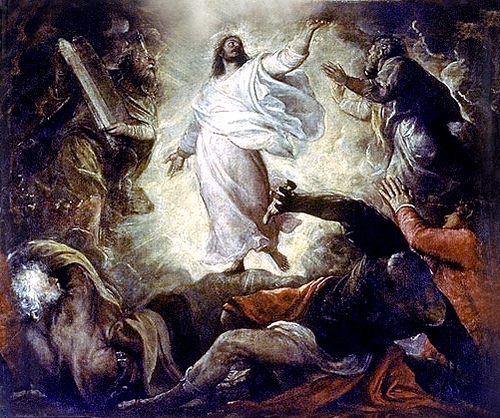
    “How can someone be born when they are old?” Nicodemus asked. “Surely they cannot enter a second time into their mother’s womb to be born!” Jesus answered, “Very truly I tell you, no one can enter the kingdom of God unless they are born of water and the Spirit. Flesh gives birth to flesh, but the Spirit gives birth to spirit. You should not be surprised at my saying, “You must be born again.” The wind blows wherever it pleases. You hear its sound, but you cannot tell where it comes from or where it is going. So it is with everyone born of the Spirit” (John 3:4–8).

    Photo credit: Waiting for the Word, found on flikr
    Photo credit: Waiting for the Word, found on flikr


    An older friend of mine speaks freely of being “born again” to those whom she meets – shop assistants, taxi drivers, professional contacts. Part of me cringes as she employs this language, for the term has fallen out of fashion. It’s even become tainted, bringing up images of over-zealous fundamentalist Christians shouting, “Ye must be born again”!

    But I shouldn’t be embarrassed, for the source of the words is Jesus. When Nicodemus, a Pharisee who was on the Jewish ruling council, conversed with Jesus, he seems to be taking Jesus literally and not understanding the role of the Spirit in birthing a new person. We might not be able to see the Spirit physically, as perhaps Nicodemus was trying to do, but we will witness its evidence in our lives and in the lives of others – as with the wind blowing through the trees.

    John doesn’t tell us here if Nicodemus was born of the Spirit (later we learn that he joined Joseph of Arimathea to bury Jesus’ body so we can guess that his earlier encounter brought life). Instead John moves on to some of the most famous verses in the Bible, about God so loving the world that he gave his one and only Son (John 3:16)… Our new birth comes from the transforming work of God through Jesus on the cross, that we might escape condemnation and enter the light.

    Prayer: Heavenly Father, we don’t fully understand how your Spirit works in our lives. Reveal to us your transforming nature, that we might know and believe.

  • Interview with Sheridan Voysey

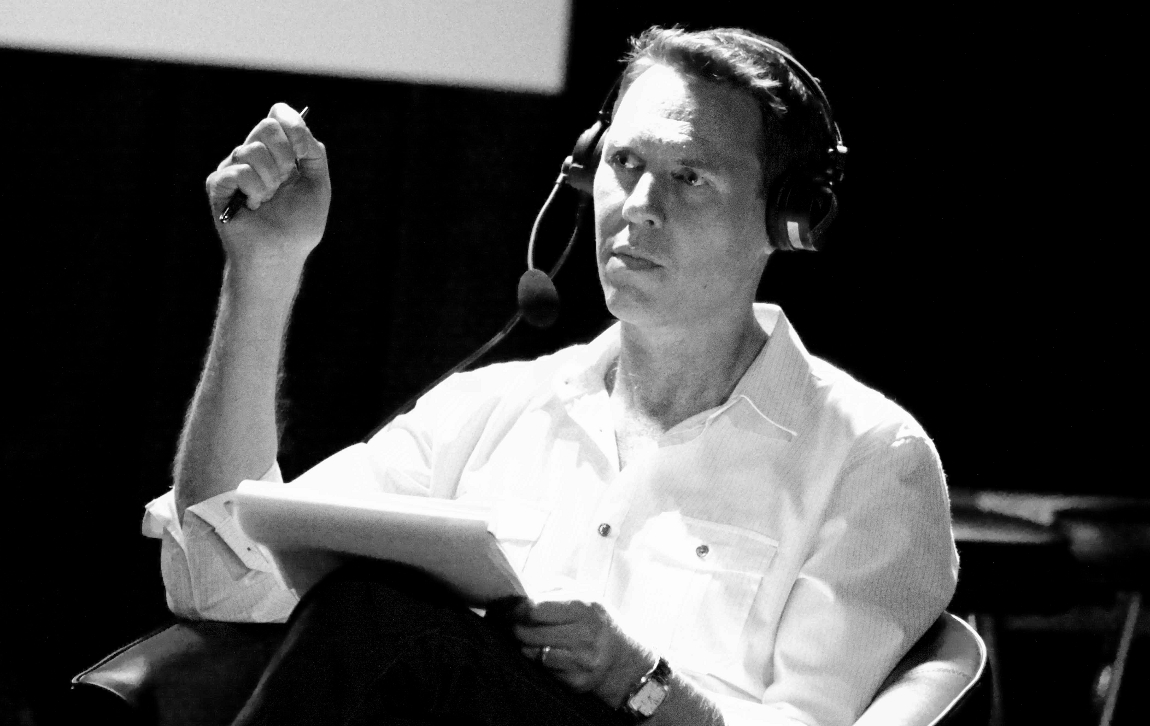
    Another in my series of interviews with authors, as published originally in Woman Alive. Here′s another ex-pat living in the UK, but from a different colony than the one I originate from…

    103.2 Open House Finale 2010Your latest book recounts a year of resurrection. Tell us about the writing process; how was it? Surprises? Joys? Challenges?

    Apart from the sheer surprise of the project itself (writing a memoir on recovering from broken dreams was never in my plans), there were three main emotional responses. One was sadness. Resurrection Year tells the story of my wife Merryn and me starting again after our dream of starting a family ended. Writing that story required me to read through ten years worth of personal journals, reliving all those experiences of raised and dashed hopes. Most of that story is told in the first chapter, and few who’ve read it have done so with dry eyes.

    But I also experienced a sense of grace in writing this book that I’ve never felt before. Writing is never easy, especially if you’re attempting to write richly, with metaphor, simile and symbol. But I had a sense of ‘flow’ writing Resurrection Year. The metaphors came, paragraphs flowed, and very little of the original manuscript was jettisoned in the editing process.

    Thirdly, there was a sense of expectation. Resurrection Year was written in real time, during our first year here in the UK. How was the book going to end? I really didn’t know. The answer came literally within days of that chronological year ending.


    You and your wife faced the question of suffering and a good God particularly when at L’Abri. Which book(s) helped you most in this quest?

    During the toughest moments of our infertility journey Merryn described God as like ‘an old friend who no longer returns my calls’. Our stay at Swiss L’Abri gave her time to work out whether He is, in fact, good. One of the books that was most helpful in this was Greg Boyd’s Is God to Blame?—not because we agreed with it, but because it provoked so many questions about God’s control of the world, forcing us to think. Another helpful book was Philip Yancey’s Disappointment with God. I should add, though, that some of the books that held the most theological promise were sometimes the least accessible to read. Theologians can sometimes end up talking only amongst themselves.


    Resurrection-Year-3D-Main-124x170Adrian and Bridget Plass play a key role in the birthing of Resurrection Year. Which book of his has made the biggest impact on you?

    I can thank Adrian for both the phrase ‘Resurrection Year’ and the book’s creation. He gave me the phrase while talking off-air after an interview on my radio show. He suggested the book while staying with him and Bridget one weekend. Merryn and I owe a lot to this beautiful couple. I’ve enjoyed all of Adrian’s books, but special mention goes to The Horizontal Epistles of Andromeda Veal and Looking Good, Being Bad—both full of wisdom and whimsy.


    You’ve interviewed thousands of authors in your role of radio presenter in Australia. Can you relay to us a scintillating or funny or moving story from one of them?

    That question is always difficult to answer as there have been so many memorable moments, many of which are getting a second airing through my podcast. I’ll never forget author Bryce Courtenay singing the song he sang as his son died in his arms, or singer Gloria Gaynor recounting how she had fame and success but no meaning until she came to faith, or the actor Brian Deacon who played Jesus in The Jesus Film telling me why he didn’t believe. (It was a strange experience evangelising ‘Jesus’ on the air.) Some of the most memorable stories have come from my listeners—like ‘Samara’ who called in one night and said, ‘I don’t know why I’m telling you this as I’ve never told anyone this before. But I’m working as a prostitute, and this life is eating me up. I need a new life, and I need to find God again.’


    How has living in Oxford enriched your reading of Lewis and the other Inklings?

    Anyone who comes to Oxford should visit Lewis’s old home The Kilns, sit at his desk upstairs where he wrote his classics, and at the table in the living room downstairs with the view of the forest that likely inspired Narnia’s landscape. And anyone who’s experienced a broken dream should read The Great Divorce one Christmas Day afternoon and have God speak to them through it… like I did.


    Sheridan Voysey is a writer, speaker and broadcaster on faith and spirituality. He is the author of five books, including his memoir Resurrection Year: Turning Broken Dreams into New Beginnings.

  • Devotional of the week – Hebrews 11 (1 in series)

    Faith in Action

    Having delved into Psalm 18 over the past weeks, next I’d like to look at Hebrews 11, which I believe is one of the great passages in the Bible. It’s the long list of people from the Old Testament whom the writer to the Hebrews commends as heroes of the faith. These were people who believed that God would do what he promised. And so they obeyed, all the while risking ridicule, leaving their homelands, wandering in deserts, and experiencing miracles.

    heroAt the heart, they held to promises from God, whom they couldn’t see. They knew that the spiritual realm is real, even if unseen. And this faith, this confidence, spurred them on to great things. Accomplishments they never would have imagined before God led them and sparked the ideas in their minds.

    We might feel overawed by this list of bravery and victory. But the writer to the Hebrews wants us to be encouraged and filled with faith, just as they were. They didn’t belong to a more holy class of people; for instance, in fear Abraham passed off his wife as his sister; Moses killed an Egyptian in anger; David slept with another man’s wife and had the husband killed. But the writer to the Hebrews doesn’t mention any of these failings. Instead he focuses on what they achieved, hand-in-hand with God.

    And this list of amazing ancients crescendos in the ultimate hero – Jesus. He is the “pioneer and perfecter” of our faith (12:2). He endured the cross that we might be free from bondage to sin. And so, says the unknown writer to this group of Jewish converts, don’t give up on your faith. Keep running the race. Throw off the things that are pulling you down and making you want to give up.

    So too for us. Are we tired and weary, tempted to believe the lies of the evil one that God doesn’t care for us or that he can’t really make a difference in our lives? Perhaps we don’t believe that God truly loves us. Or maybe our lives haven’t gone the way we had hoped.

    But as we see in this passage in Hebrews, we’ve got a “cloud of witnesses’”(12:1) surrounding us, cheering us on. And not only the ancients, but angels and even Jesus himself. Let’s run the race with perseverance. And with joy.


    Prayer: Lord God, we fall and we fail. And yet, we see how you can use and redeem people deemed failures by the standards of the world. Build our faith today, that we might be heroes. Amen.