Category: Fiction book reviews

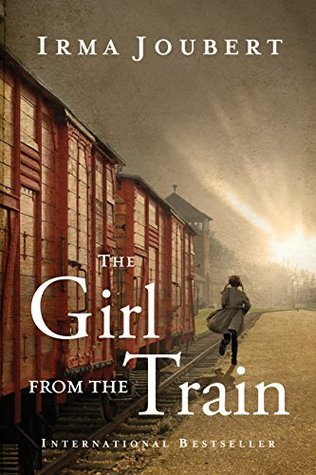
  • Book review: The Girl from the Train by Irma Joubert

    In response to a tweet wondering should she read this book, my review from Woman Alive, August 2016. (Great decluttering exercise during lockdown!)

    You may know that the Woman Alive book club has an interactive presence on Facebook. At the request of readers there, I chose a fiction and nonfiction book for us to discuss, which I would then feature in the magazine. For the novel, we read The Girl from the Train (not to be confused with the wildly popular The Girl on the Train).

    I’m glad I chose the novel for our discussion, not least because it took me awhile to get into the story (I knew I had to persevere!). It recounts the life of Gretl, a German girl with some Jewish ancestry who was caught in the events of the Second World War. The story follows her and her protector Jakob through their lives in Poland and eventually South Africa, weaving in themes of identity, faith, family, racism, the relationships between Christian denominations, home and love.

    As readers we appreciated the window into life in South Africa. As Kathryn Price said, “I hadn’t known about the children ‘exported’ to South Africa, and found that very interesting. We don’t often hear about white South Africans, it’s usually just the apartheid situation, and it was interesting that it felt unbalanced.” Anne Shakeshaft agreed, saying, “I had no idea that South Africans had adopted German orphans.” She found it interesting “to read of the prejudice against Germans, Jews and Communists as well as other faith denominations” and found the book enjoyable but heart-wrenching in places.

    The view of identity was strong for Caroline Seal, for she supports various missionary families and has thus read about “MKs (missionary kids) or TCKs (third culture kids).” She says of Gretz, “She constantly has to hide parts of who she is … you can see how she wants people to accept her so is a bit of a chameleon doing things that will please people… TCKs are also trying to get things right in the culture they live in and in their passport culture.”

    Chris Vickery anticipated the ending, wishing it would have come sooner in the sense of us seeing the life of the protagonists together. I agree – why can’t more novels examine what life looks after the romance survives the hurdles? I’d love to read what “happily ever after” looks like.

    I appreciated Julia Wilson’s full review of the novel, which touches on themes of belonging, one’s roots, friendship, how stress can be rooted deep within, and symbolism such as names and fire.

    Published by Thomas Nelson, ISBN 978-0529102379
  • Review – Meant to be Mine, Contemporary Christian Romance. Yep.

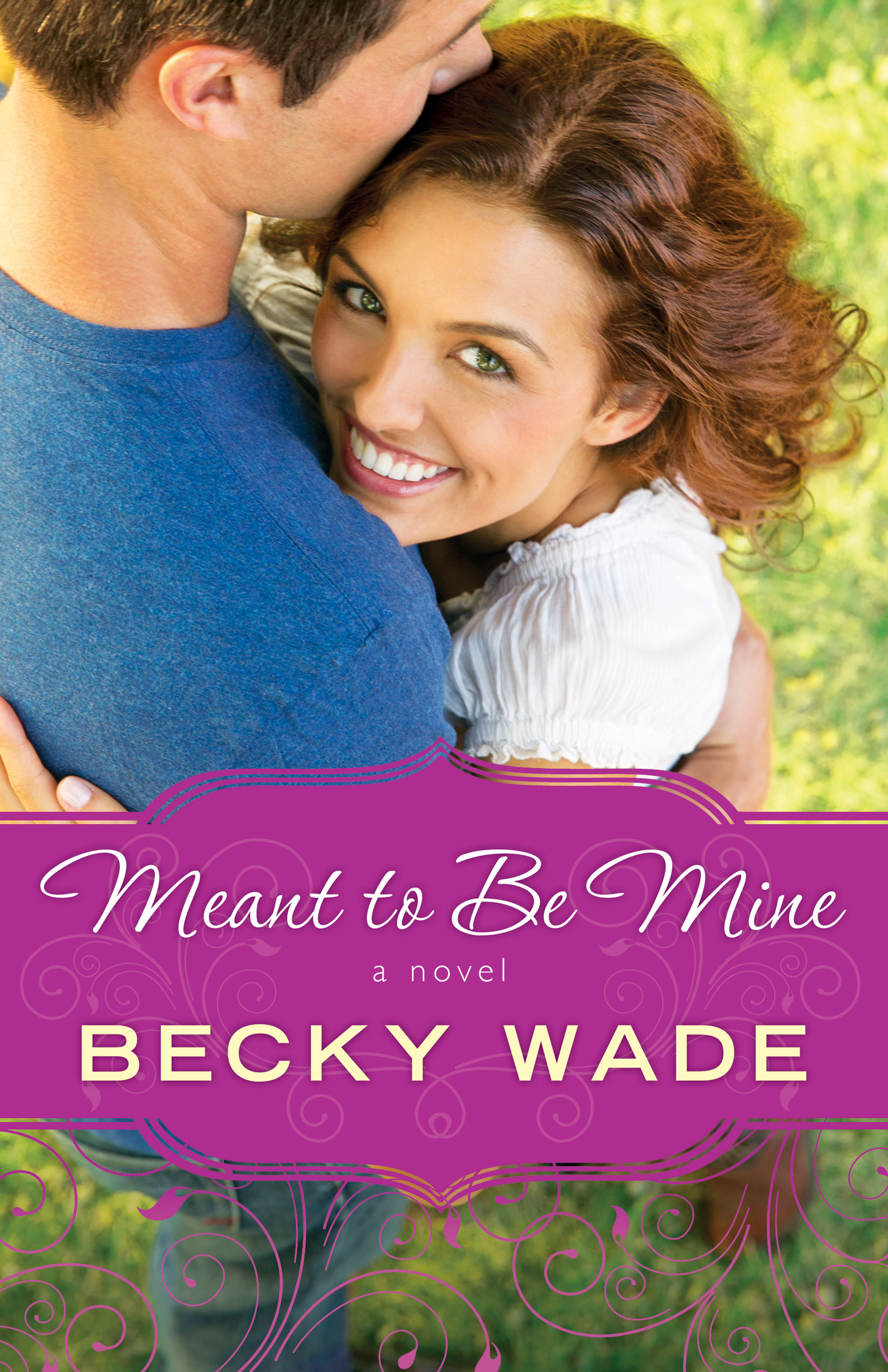
    9780764211089I have a confession: my favorite type of fiction is contemporary romance. Yes, that was hard to admit. For romance novels can get a bad rap – people may see them as a form of vacant escapism, with stories that are light and fluffy (or worse). But I enjoy cozying up with novels in this genre written for the Christian market. For although the ending may be assured, the journey of the heroine and hero coming together is often thought provoking and heart warming. And Christian romance by definition will be clean in the content, and hopefully edifying in matters of faith.

    An author writing in this genre is Becky Wade; I meant to feature her debut novel, My Stubborn Heart, when it came out in 2012 in the Woman Alive Book Club, for I found it delightful. But the adage “so many books, so little time” rang true, so here’s another of hers, Meant to Be Mine. It’s the second in a trilogy, but can be read as a standalone novel, as I encountered it.

    A granola-eating hippy-ish single mother from the Pacific Northwest in the States meeting a meat-eating rodeo-bull-riding cowboy from Texas produces a few sparks. Celia had her heart set on Ty when in high school, but it was only when they met later in Las Vegas that they got together – and then fell apart. The long arc of their relationship, with the questions of will they/won’t they, forms this novel. The characters come alive and feel like real people. Celia struggles to know who she really is, and how to give and receive love. Whereas Ty is fully content in who he is – a star in the rodeo circuit with a strong family and community in his small town of Texas to support him.

    But it’s the deeper themes that the novel dips into that interest me in particular. Such as what do we put in the place of God? Careers and making it big, or the love a child to fill the empty spaces in our hearts? What do we turn to when we’re hurt? Alcohol, comfort baking and eating, pain pills to numb the ache? How can we learn to forgive, even if we have to forgive one close to us again and again? How can we shed false images of the God who made us and formed us and loves us without strings?

    See – a contemporary romance can delve into tough issues, while still giving us a satisfying ending. Check out her books; I think you’ll enjoy them.

    Meant to be Mine, Becky Wade (Bethany, ISBN 978-0764211089)

  • Review – An Advent book and Christmas novella

    Reviews of two books for this season, as published last year in the Woman Alive book club.

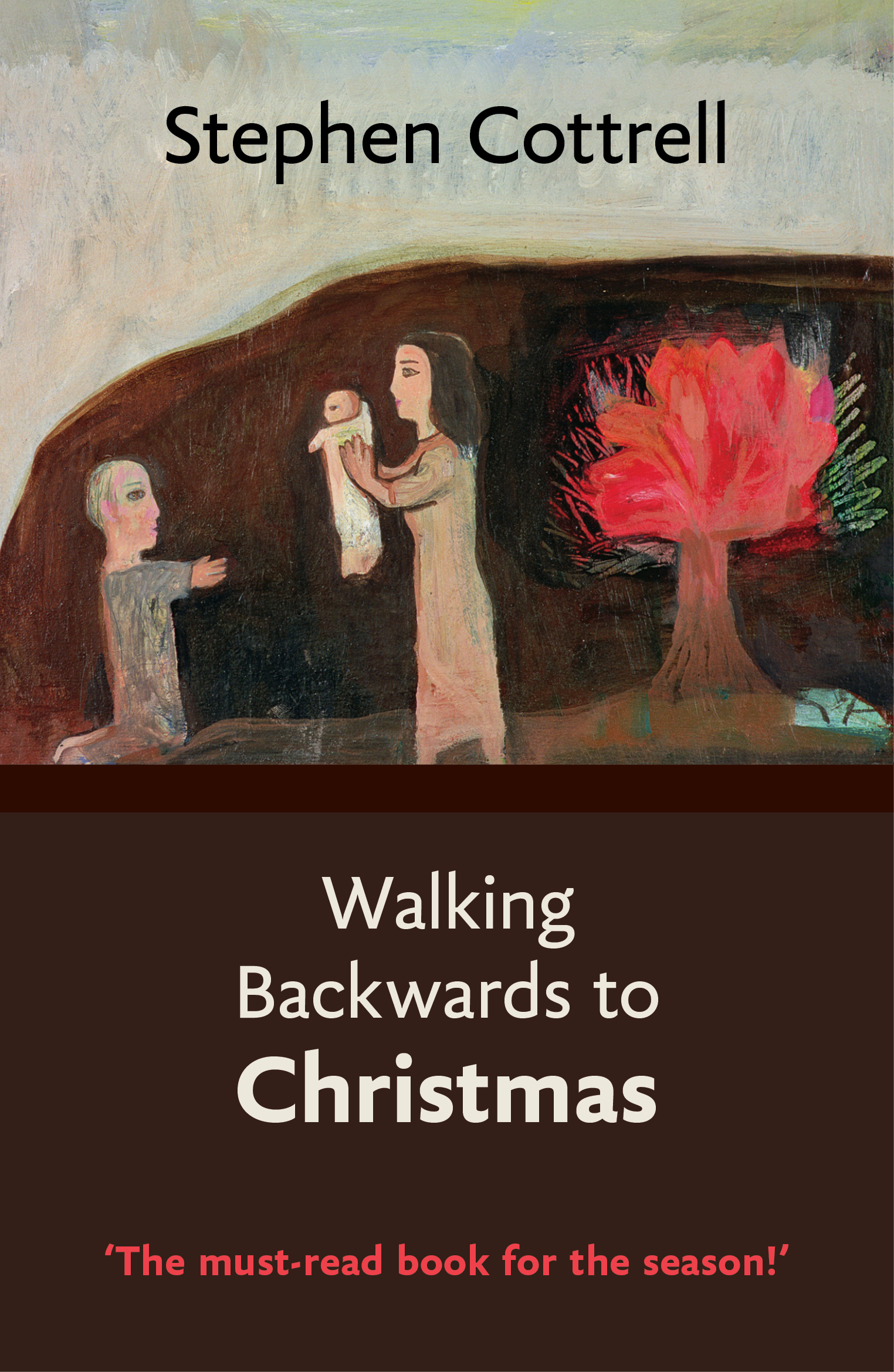
    walking backwards to christmas FCI wasn’t sure I’d like Walking Backwards to Christmas when I picked it up. I’ve read a fair number of first-person narratives from biblical characters over the past few years as this genre has gained in popularity. Sometimes the books work; sometimes, not so much. But in the hands of Bishop Stephen Cottrell, these narratives sing. I highly recommend reading this during Advent or the Christmas season.

    He moves through the Christmas story backwards, as it were, starting with Anna in the temple, moving to Rachel, a mother of one of the slaughtered first-born sons, then to (among others) Herod, the innkeeper’s wife, Joseph, Elizabeth, and Mary, and finally to two prominent Old Testament figures, Isaiah and Moses. I found their stories moving and thought-provoking, impressed that the author imagined such different characters and voices in each chapter.

    What’s refreshing is that he addresses the dark components of the story; for instance, the chapter by Rachel is piercing in her mother’s grief. Or Anna’s decades-long loneliness as a widow, which slowly is eclipsed by her love of God. Or the power-mongering of Herod; or the strife between Joseph and Mary over the questionable pregnancy. All stories worth considering, but not often addressed in seeker-friendly carol or candelight services.

    higgs wreathPerhaps this season you’d like to escape with a Christmas novella, cozied up with some mulled hot liquid, snuggled by the fire. If so, I’d recommend Liz Curtis Higgs’ A Wreath of Snow. She’s one of the few Americans who can pull off writing novels set in the UK; this one showcases Scotland in Victorian times. (Her secret? Research like crazy. When I interviewed her here in 2011, she said she had 800 books just about Scotland!)

    Margaret Campbell is a young woman with a painful history. She flees the family home on Christmas Eve, determined to go back to her flat in Edinburgh. But her train journey is unexpectedly halted, including a surprising meeting with the gentleman seated across the aisle. The story has romance, but it doesn’t shy away from hard topics such as bitterness, grudges, and the need for forgiveness. I especially enjoyed how the prompts of the Holy Spirit were portrayed – not too “out there,” and clearly as something that the person could heed or ignore.

    Two to make time for in the busyness of Advent and Christmas, lest we lose the true meaning of the season.

    Walking Backwards to Christmas, Stephen Cottrell (SPCK, ISBN 978-0281071470)

    A Wreath of Snow, Liz Curtis Higgs (WaterBrook Multnomah, ISBN 978-1400072170)

  • The Wailing Wall (including The Secret Life of Bees)

    After the horrible news of terrorism in Paris and Beirut, I thought it fitting to put a link to an article I wrote on the Wailing Wall. Lord, have mercy.

    The wall we used as our wailing wall in Spain.
    The wall we used as our wailing wall in Spain.

    Do you feel the need to weep and mourn at times? That you need a safe place to let out your heartbreak, angst, and disappointment? The Western Wall – known commonly as the Wailing Wall – in Jerusalem has served as such a space over the centuries. It’s a surviving remnant of God’s Temple and was the spot closest to the Holy of Holies – that place where God’s presence dwelled. Jewish pilgrims who journey there pour out their hearts and prayers to the Lord.

    I thought about the Wailing Wall recently as I led a book club retreat in sunny Spain. With palm trees, cacti, and citrus trees in the background, we met around the pool, chatting through the books I had selected for the week and engaging with related spiritual exercises. The setting was idyllic, fostering deep conversation about the books we’d read, one of them being The Secret Life of Bees by Sue Monk Kidd.

    Perhaps you’ve read it or seen the film adaptation. Set in the American South during the sixties, it features the protagonist, Lily, a white girl on the cusp of growing up. With her nanny Rosaleen, she escapes her abusive father in the quest to find out more about her mother, who died when she was four years old. They end up in a house the color of Pepto-Bismol where a group of black sisters keep bees and observe religious practices based on a black Madonna.

    Parenthetically, I should mention that I’m not recommending the theology as expressed in the novel – it’s not Trinitarian and deifies a folk legend based on Mary. But as Christians we can and should engage with what we read critically, weighing up what we agree with and what we don’t – a bit like my book club did as we discussed the novel by the pool.

    Read the rest at The Kingdom Life Now magazine.

  • Review: The Fight by Luke Wordley

    A review I wrote last year for the Woman Alive book club. An unlikely book that grabbed my attention…

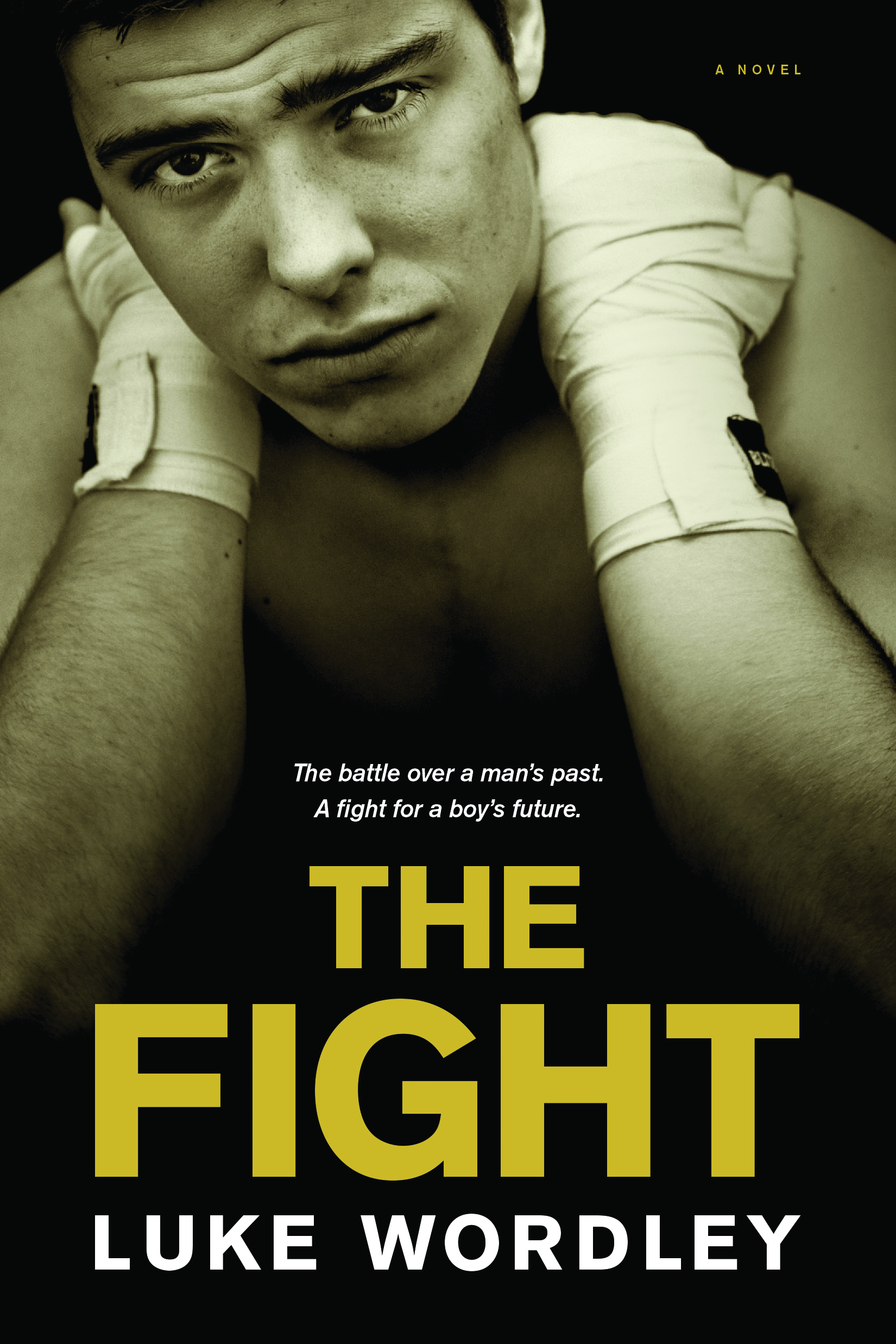
    978-1-4143-8949-3As a book reviewer, I receive loads of books to consider. Some books catch my eye – title, subject or author – and I request them from the publisher. Some are sent to me, unbidden; those self-published, I have to admit, I can usually spot in the first couple of seconds. And yes, I tend to be biased against self-published books, for they usually lack that added extra that a publisher gives in terms of editing, design, publication quality and so on.

    Luke Wordley is reversing the image of self-published books. When some time ago he sent me a copy of The Fight, I glanced at it, liking the arresting cover and the quality feel of the book. But I wasn’t grabbed by the subject – it’s about boxing, after all – so I left it to languish in my stacks of review books. In the months that followed, I heard some buzz about it through publishing contacts, and was happy to publish Catherine Campbell’s review that she posted in our Facebook group.

    Then I heard that Tyndale, one of the big US Christian publishers, had taken it on. More requests came for me to review the book, and I nearly didn’t, but on a whim I started to read. And captured I was; this book certainly carves out a new model for self-published books to aspire to.

    So yes, it’s about boxing, and yes, you might think only men would be interested. But give it a try if you want some stretching British fiction. A disaffected young man – mourning the loss of his father and witnessing his mother’s descent into alcoholism – increasingly gets himself into trouble with fighting anyone he comes across. But a Christian social worker doesn’t give up on him, persuading a Christian boxing coach to manage him. The story follows Sam, the young lad, and Jerry, the manager, through their ups and downs and journeys of faith. One to read.

    The Fight, Luke Wordley (Tyndale, ISBN 978-1414389493)

  • Review and discussion questions: Redeeming Love

    I’m recently back from leading a book club retreat at the lovely El Palmeral in Spain. We sat by the pool, the bubbling water and chirping birds as our background soundtrack, and discussed four books, along with engaging in related spiritual exercises. You may not enjoy such a tremendous setting to engage with Francine Rivers’ story, but here are my thoughts on it along with some questions for reflection and discussion.

    Redeeming LoveA novel that Liz Curtis Higgs calls “the most powerful work of fiction you’ll ever read.”

    What’s it about? Sarah is a young girl whose innocence was fully shattered when her mother dies. At just eight, she was renamed Angel and sold into prostitution. It was the 1850s in California during the Gold Rush, and the craze for gold warped many morals.

    Angel closes off her emotions and learns to expect nothing. Then an honest, God-fearing man enters her life; Michael, a farmer who follows God’s leading and marries her. Her heart remains cold but he loves her day by day. Finally she begins to thaw, and unexpectedly confronts a whole host of emotions she never knew she had. And so she does the only thing she knows to do, which is to run from him.

    My view: What a novel. I’ve read it three times; twice in 2008 when I featured it in the Woman Alive book club and then again recently. Each time I found more to ponder, although the first times I read it, I found myself so gripped that raced through it in one sitting.

    Francine Rivers does a wonderful job at weaving the Christian faith into the story. It’s integral and doesn’t feel forced or false. She raises vital issues for, including self-identity, forgiveness of others and forgiveness of self, community, sacrificial love, and hearing God’s voice. And she does so in a way that is emotionally compelling and gripping.

    My heart broke many times for Angel as she was used and abused, starting with the rejection by her father, continued by her mother’s dependence on him and then her death, and then all the atrocious and despicable acts committed against her as she was sold into prostitution. It made me grateful for the charities engaged in putting an end to this modern form of slavery. Are we standing by while such horrors are still occurring?

    Redeeminglove-webbannerRedeeming Love shows a journey of character development, and doesn’t just recount a bunch of hurdles the characters have to overcome for them to come together. After the marriage, Angel has to change and become transformed. She needs to open herself up to love and life; she needs to learn how to trust; then she needs to give herself to God. And we see how Michael fights for her and loves her sacrificially, giving of himself that she might find herself.

    One to reread every couple of years!

    Discussion Questions

    Spoiler alert: don’t read these questions until after you’ve finished the book.

    • What did you think of the novel? Did you find it gripping? Too long? Not long enough?
    • Child prostitution, violence, drunkenness, sexual tension, unvarnished greed… not the usual subjects of a Christian novel. Were you comfortable with how the author handled these topics?
    • Why do you think Sarah’s mother stayed in the relationship with Alex Stafford?
    • Michael was a man who followed God’s leading. What did you think about him as a character? Was he too good to be true, or believable? What were his strengths and weaknesses?
    • Sarah lost her identity when she was sold into prostitution as a child. She then had many names – Angel, Mara, Amanda, Tirzah. What does a person’s name say about them? What did you think of her deepest gift to Michael when she revealed her true name?
    • What about Michael Hosea’s name? Consider this internet definition of the Archangel Michael, and discuss how it applies to the character in the story: “The spirit creature called Michael is not mentioned often in the Bible. However, when he is referred to, he is in action. In the book of Daniel, Michael is battling wicked angels; in the letter of Jude, he is disputing with Satan; and in Revelation, he is waging war with the Devil and his demons.”
    • Were you surprised that God called Michael to marry a “soiled dove,” a woman who had sold her body to many men? Do you think the Lord would call someone to such a calling today?

    06bd6cf3fd8a299ed3c76949bfc40e05

    • Michael sparks feelings in Angel that she doesn’t even know exist as he opens her up to beauty, such as when he takes her to view the sunrise (p. 129). She had been exposed to worldly beauty in her previous life – with the finest foods and silks, and yet her world was actually the color of brown, surrounded she was by mud in many forms. Discuss how she begins to open up to life and light and color.
    • Michael says to Angel, “A woman is either a wall or a door, beloved” (p. 153). Agree or disagree? Why?
    • What did you think of the character of Paul? Did you dislike him? Why do you think Miriam fell for him? Why was he the only one who could have called Angel home? Discuss the Altman family. How did God use them to reveal his love to Angel? To Michael?
    • Freedom is an important topic running throughout the novel (see, for instance, pages 187 and following). How did Angel finally come to true freedom? Who helped her along this journey?
    • “But the past kept catching up with her, no matter how fast she ran” (p. 254). Have you seen this to be true in your life? Why or why not?
    • Discuss the meaning of truth (pp. 257–58). Angel’s understanding is so different from Michael’s, for he knows the truth will set her free but she thinks it will bind her. How have they come to their different understandings, and what does it take for Angel to understand the real meaning of truth?
    • 50cd6e9bf88fd473c796bfc9c50a3581Michael says to Angel, “Love cleanses, beloved. It doesn’t beat you down. It doesn’t cast blame… My love isn’t a weapon. It’s a lifeline. Reach out and take hold, and don’t let go” (pages 291–92). Discuss.
    • Has reading Redeeming Love changed you? Moved you? Helped you to see grace and redemption in a new way? If so, how?
    • Do you think the epilogue is necessary? Helpful?
    • What did you think of the author’s journey in writing this book? Why do you think she had to give up writing all together for a time?

    Redeeming Love: A Novel, Francine Rivers (Monarch, ISBN 9781854246592)

  • Review: Austen-Inspired Fiction

    I just finished Katherine Reay’s latest engaging novel, and before I add my review, I thought I’d better post my thoughts on her first book, which was published originally in Woman Alive.

    529FF670-E4E0-465F-A6FD-69F7FE055D41When I finished this novel, I sighed in satisfaction and thought about turning back to the beginning, reading in the light of the plot twist at the end. Before doing so, I posted in our Woman Alive Facebook group about my delight with this book, but what happened next left me feeling ambivalent. In fact, I felt similar to that first time I visited New York City, when I bought a watch from a man outside the Statue of Liberty who had watches hanging all along the inside of his coat. (Of course it only worked for a day; how gullible was I as a naive young woman from the Midwest!) For one of the regular Facebook members, Angie Pollard, said:

    I love Dear Mr Knightley – though didn’t think I would when I started reading it… I presume you’ve read the classic Daddy Long Legs by Jean Webster, which it parallels and is one of my ‘go-to’ books. Time for a re-read of both!

    No, I hadn’t heard of Daddy Long Legs; this was news to me. From being so pleased with the fresh and original plot twist in Dear Mr. Knightley, now I felt like I had bought a knock-off Gucci watch that would die an early death. (And I’m sorry if you’ve read Daddy Long Legs so now you know the plot of Dear Mr. Knightley.) I’ve been mulling over my reaction, wondering why a new novel based on an older version troubles me. Maybe it has something to do with how the protagonist, Sam, hid behind characters from literature (mainly those of Jane Austen and Charlotte Bronte), spouting off their words when she felt trapped or scared. She – who as a child had experienced an abusive, broken family and grew up in the foster-care system – hadn’t found her voice and so employed the voices of others. Was the author of this novel doing the same by lifting the plot from a classic?

    I remain undecided. That issue aside, Dear Mr. Knightley delighted me. I loved Sam’s references to Lizzie Bennet and others, and I was moved by her journey to love as she learned to trust and shed her fears of exposure and rejection. She also finds her calling and her voice as a journalist, moving from one whose features were wooden and unpublishable to a passionate teller of hidden stories of children at risk. The novel even has a touch of romance.

    What do you think? Knock-off or inspired update?

    A Tale of Two Sisters

    19167656More Austen-inspired fiction from Katherine Reay. I don’t know if the bones of this novel emerged from another classic, such as with Dear Mr Knightley; I somehow hope not. But either way, I was captivated by this story of two sisters. Their mother died of cancer a decade or so previously, splitting the sisters and their father, with Lizzy moving to New York City and Jane staying on the West Coast. Lizzy poured herself into her chef career while Jane – ten years older – took the marriage/family/work balancing act route. But when Jane is diagnosed with breast cancer, Elizabeth loses her cooking genius. She realizes she needs to go back to Seattle and Portland and reconnect with her sister – and all that she ran from.

    Strong, evocative writing; I especially enjoyed delving into the sisters’ relationship – how can two different people with so much history become friends? How can they come to understand the other enough to forgive – and in the process, find out more of who they are and who they have been created to be? The novel addresses bigger questions of what are we living for; what fuels our passion; how can we love and live with those closest to us without scratching their eyes out on the one hand or distancing ourselves emotionally on the other.

    I figured out how the novel would end, but that didn’t put me off enjoying it. One to read with a cuppa.

    Dear Mr. Knightley, Katherine Reay (Thomas Nelson, ISBN 978-1401689681) and Lizzy & Jane: A Novel, Katherine Reay (Thomas Nelson, 978-1401689735)

  • Review – two novels of two clergy spouses

    As we head into summer, are you thinking about reading more novels? Here are two that I found satisfying. Both have protagonists who find their identity through staying within what they discerned were God’s boundary lines for their lives (see Psalm 16). Interestingly, both include women married to clergymen, though I hadn’t anticipated that…

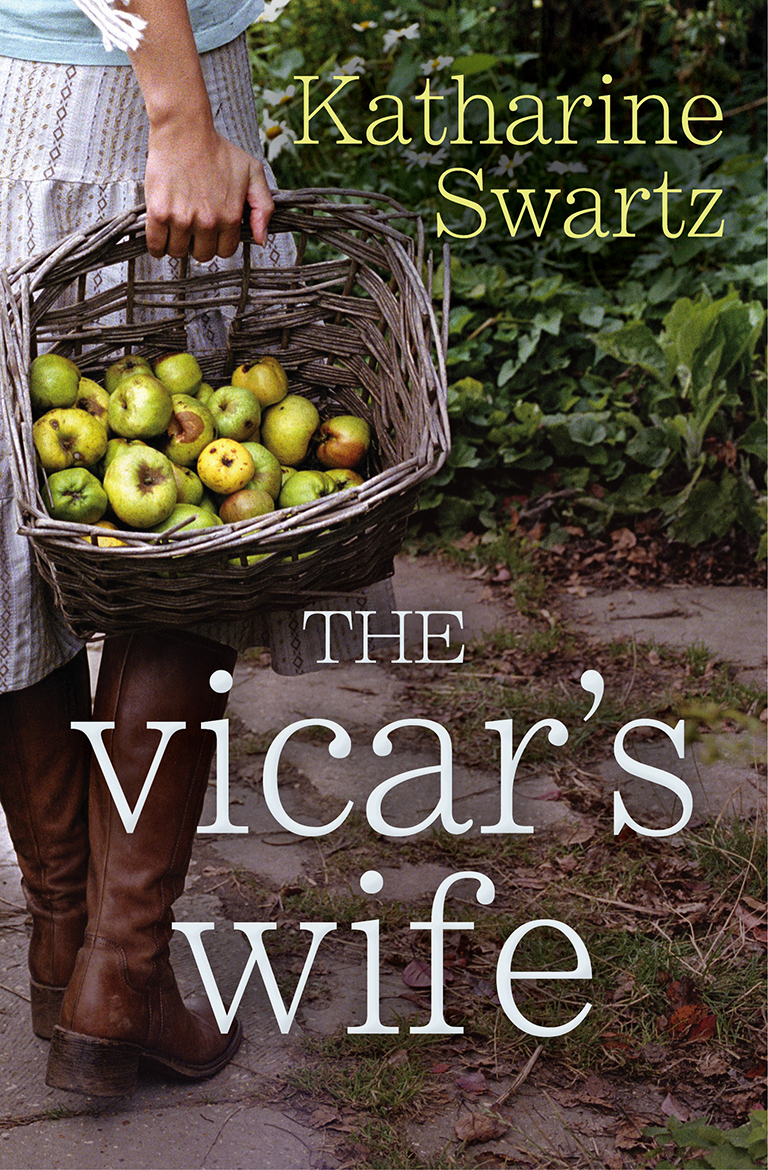
    9781782640707I was grabbed by The Vicar’s Wife, which of course is hardly surprising as like the title of the book I’m a VW; like the protagonist I moved from the States to the UK for my English husband; like her I’ve experienced the sense of loss, homelessness, culture shock… and the ways God can use those challenges to shape and mold me. Some of the scenes I felt I had lived, such as feeling like an outsider at the school gate, or the way adjusting to a new culture can seemingly sap all of one’s energy. But you don’t have to be a foreigner or a VW to enjoy this gentle story of two women separated by several decades and how they came to terms with the dramatic changes in their lives. It’s an enjoyable read, and I only wished the role of God and faith hadn’t been quite so buried.

    All for a SongAll for a Song is mainly set in the Roaring Twenties, as remembered in the present day by an octogenarian trapped in her body after a stroke renders her speechless and mostly immobile. Dorothy Lynn Dunbar’s life as a young woman was set out for her – following her father’s untimely death, she would marry the young preacher who came to take his place. She loved Brent Logan, but she also yearned to see the world – and make her music. When she has the opportunity to sing for the groundbreaking evangelist Aimee Semple McPherson, she surprises everyone in her small rural town by following her dream. It’s a moving coming-of-age story, exploring how Dorothy Lynn finds her place in the world, and how she ultimately finds contentment and joy.

    What are you reading? 

    The Vicar’s Wife, Katharine Swartz (Lion, ISBN 978-1782640707)

    All for a Song, Allison Pittman (Tyndale, ISBN 978-1414366807)

  • Review of Cross Roads, follow-up to The Shack

    My review from the Woman Alive book club, originally published in February 2013, shortly after the release of the follow-up to the massive hit, The Shack.

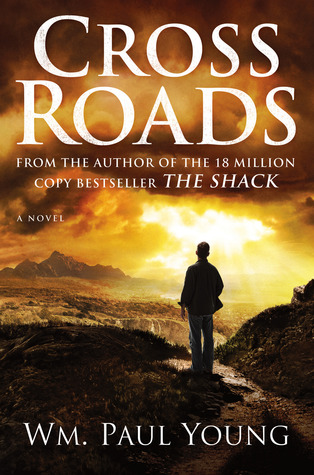
    Many anticipated Cross Roads, Wm Paul Young’s novel following his huge success with The Shack. Me? Not so much. I reviewed The Shack in the Woman Alive book club in 2008, and although it had more reader reviews than any other book in our half-dozen years of the book club, I didn’t love it. Some of his theology concerned me (bordering on universalism), and I thought the opening fifty pages was wrought with purple prose. And yet I couldn’t discount the way God used The Shack to bring grace and healing into the lives of many. So when Cross Roads arrived through the post, I thought, “Hmm.” I wasn’t keen to drop everything and read it. But some of our Facebook group wanted me to do so, and thus here I am.

    15789399Again the opening pages scream with adverbs and adjectives as the author is at pains to set the scene. Because this book was published traditionally, and not self-published as The Shack was initially, I hoped the publishers would have reigned in the prose. An example: “He had been birthed in an explosion of life, an inner expanding universe coalescing in its own internal solar systems and galaxies with unimagined symmetry and elegance” (p.4). But eventually the descriptions eased as the action got going, and I didn’t have to force myself to continue reading.

    The author has a fantastic imagination, and I enjoyed the worlds we traversed as Tony, the protagonist, lies in a coma, given one chance by Jesus and the Holy Spirit to physically heal one person. Tony slides into the head of another person (this is all on the dust jacket – I won’t give away too much!) and starts to see the world through their eyes. Compassion, empathy, grace, and mercy become real to him as he moves away from his self-centred focus. The reader too gains empathy for him, the once crusty businessman whose aim had been only to win, as we learn why he erected the towering walls of protection.

    Should you read Cross Roads? I don’t know if you should, but I think many will, especially those who loved The Shack. If you can make it past the early plodding pages, you’ll enter an imaginary world that may enlarge your view of God and your fellow men and women. Like me, you might find yourself irritated by certain quirks of the author (for instance, I wasn’t convinced by his CS Lewis character, and I found the idea that members of the Trinity could be sarcastic as falling outside of God’s character). But yes, it’s worth reading for a glimpse of what the soul could look like, and the relational view of God in his three persons, who always wants to interact with us.

    Have you read it? If so, what did you think?

    Cross Roads, Wm Paul Young (Hodder, ISBN 978-1444745979)

  • Review: A favorite novel by Elizabeth Goudge

    9781598568417oI first read The Scent of Water in my late twenties, when I was longing for a husband. Little did I know that I would marry an Englishman when I was thirty and be transported to the setting of this novel. Or that the quick “yes” I said to moving to his country would become an act of obedience when I was missing family, friends, and good plumbing. I couldn’t know that this novel was in some way preparing me, for one of its main themes is obedience.

    Elizabeth Goudge wrote during and after the Second World War, when the country was reeling from hardship and loss of life. Her yearnings for a simpler time – for a pastoral idyll without machines or motorcars – are apparent in the novel, for the main character, Mary, moves from chaotic London to the quiet Chilterns to live in the cottage she inherited from her namesake cousin. This uprooting provides the setting for Mary’s growth, not only spiritually but in learning how to love and be loved.

    When I reread the novel for the third or fourth time recently, again I was struck by the author’s startling insights, such as the corrosive effect of sin on a person; how when we strengthen our will and follow God, ignoring our emotions, we grow and flourish; the masks we don and why; how faith can flourish through suffering; the importance of wonder and gratitude. Some of her writing is a bit clunky or rooted in its time – for instance, I cringed when she said that a character could “run like a Red Indian.” But the truths she conveys are worth the sometimes awkward characterizations or phrases.

    This time of reading, I was touched most by the author’s descriptions of the depression suffered by Cousin Mary, the woman from whom Mary inherited the cottage, and whom she got to know through her journals. Cousin Mary would have long periods of falling into the blackness of despair, when she would fear losing her reason forever. She wrote in her journal of meeting an odd old man who came to tea and gave her advice that changed her life forever: “‘My dear,’ he said, ‘love, your God, is a trinity. There are three necessary prayers and they have three words each. They are these, “Lord have mercy. Thee I adore. Into Thy Hands.” Not difficult to remember. If in times of distress you hold to these you will do well’” (pp. 94-95).

    I was glad to learn that this prayer was first uttered by Thomas Traherne, the seventeenth-century English clergyman and poet. Lately I’ve benefited by praying this trinity to the Trinity, especially at night if I can’t sleep.

    Why not pick up one of Elizabeth Goudge’s books? She will challenge you even as she transports you to a gentler time of village life in England.


    The Scent of Water by Elizabeth Goudge (Hendrickson, ISBN 978-1598568417). This is a recent version published in the States; I have to admit I found it a bit jarring to have the text Americanized!