Category: Interviews

  • Interview with Sheridan Voysey

    Another in my series of interviews with authors, as published originally in Woman Alive. Here′s another ex-pat living in the UK, but from a different colony than the one I originate from…
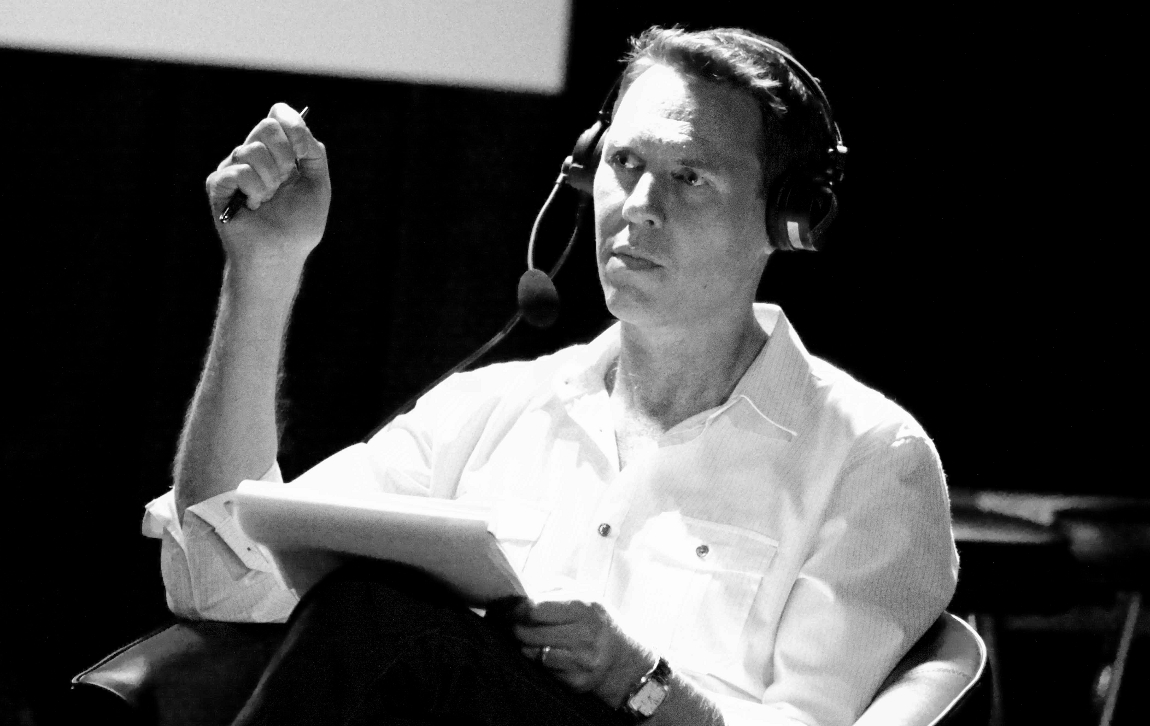
    103.2 Open House Finale 2010Your latest book recounts a year of resurrection. Tell us about the writing process; how was it? Surprises? Joys? Challenges?

    Apart from the sheer surprise of the project itself (writing a memoir on recovering from broken dreams was never in my plans), there were three main emotional responses. One was sadness. Resurrection Year tells the story of my wife Merryn and me starting again after our dream of starting a family ended. Writing that story required me to read through ten years worth of personal journals, reliving all those experiences of raised and dashed hopes. Most of that story is told in the first chapter, and few who’ve read it have done so with dry eyes.

    But I also experienced a sense of grace in writing this book that I’ve never felt before. Writing is never easy, especially if you’re attempting to write richly, with metaphor, simile and symbol. But I had a sense of ‘flow’ writing Resurrection Year. The metaphors came, paragraphs flowed, and very little of the original manuscript was jettisoned in the editing process.

    Thirdly, there was a sense of expectation. Resurrection Year was written in real time, during our first year here in the UK. How was the book going to end? I really didn’t know. The answer came literally within days of that chronological year ending.


    You and your wife faced the question of suffering and a good God particularly when at L’Abri. Which book(s) helped you most in this quest?

    During the toughest moments of our infertility journey Merryn described God as like ‘an old friend who no longer returns my calls’. Our stay at Swiss L’Abri gave her time to work out whether He is, in fact, good. One of the books that was most helpful in this was Greg Boyd’s Is God to Blame?—not because we agreed with it, but because it provoked so many questions about God’s control of the world, forcing us to think. Another helpful book was Philip Yancey’s Disappointment with God. I should add, though, that some of the books that held the most theological promise were sometimes the least accessible to read. Theologians can sometimes end up talking only amongst themselves.


    Resurrection-Year-3D-Main-124x170Adrian and Bridget Plass play a key role in the birthing of Resurrection Year. Which book of his has made the biggest impact on you?

    I can thank Adrian for both the phrase ‘Resurrection Year’ and the book’s creation. He gave me the phrase while talking off-air after an interview on my radio show. He suggested the book while staying with him and Bridget one weekend. Merryn and I owe a lot to this beautiful couple. I’ve enjoyed all of Adrian’s books, but special mention goes to The Horizontal Epistles of Andromeda Veal and Looking Good, Being Bad—both full of wisdom and whimsy.


    You’ve interviewed thousands of authors in your role of radio presenter in Australia. Can you relay to us a scintillating or funny or moving story from one of them?

    That question is always difficult to answer as there have been so many memorable moments, many of which are getting a second airing through my podcast. I’ll never forget author Bryce Courtenay singing the song he sang as his son died in his arms, or singer Gloria Gaynor recounting how she had fame and success but no meaning until she came to faith, or the actor Brian Deacon who played Jesus in The Jesus Film telling me why he didn’t believe. (It was a strange experience evangelising ‘Jesus’ on the air.) Some of the most memorable stories have come from my listeners—like ‘Samara’ who called in one night and said, ‘I don’t know why I’m telling you this as I’ve never told anyone this before. But I’m working as a prostitute, and this life is eating me up. I need a new life, and I need to find God again.’


    How has living in Oxford enriched your reading of Lewis and the other Inklings?

    Anyone who comes to Oxford should visit Lewis’s old home The Kilns, sit at his desk upstairs where he wrote his classics, and at the table in the living room downstairs with the view of the forest that likely inspired Narnia’s landscape. And anyone who’s experienced a broken dream should read The Great Divorce one Christmas Day afternoon and have God speak to them through it… like I did.


    Sheridan Voysey is a writer, speaker and broadcaster on faith and spirituality. He is the author of five books, including his memoir Resurrection Year: Turning Broken Dreams into New Beginnings.
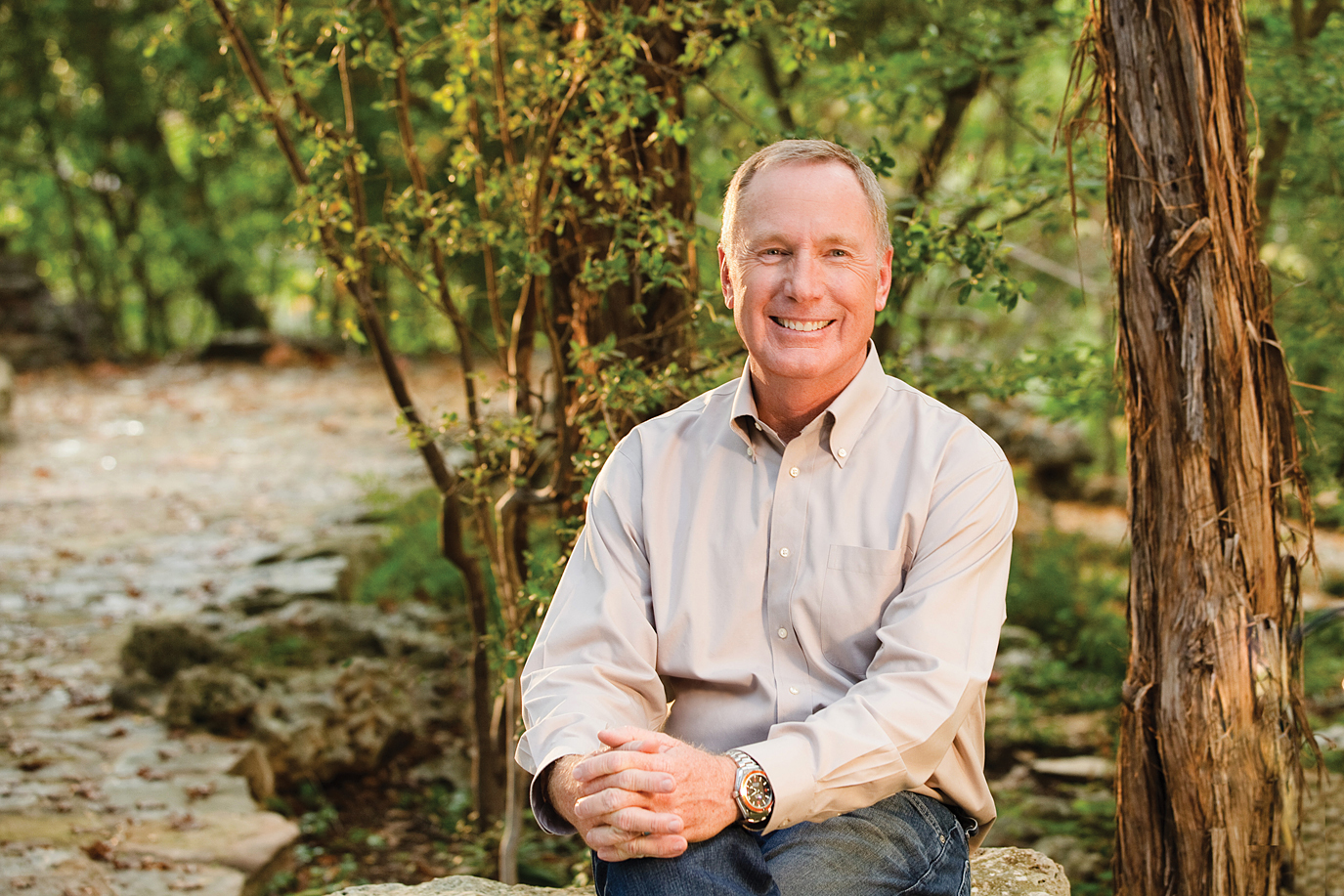
  • Interview with Max Lucado

    I love books and reading, and in running the Woman Alive Book Club I get to interview some great authors. Here’s an uncut interview with the legendary writer Max Lucado.

    Lucado_750_WPGABP: Writing seems to just flow out of you. Is that true? Or do you ever hit a writer’s block?

    ML: It’s as not as true as people might assume, but on the other hand, I’ve never hit a writer’s block and so the bad news is that I find writing to be very difficult. It takes a lot work; it’s agonizing and challenging. Some days I hate it! But the good news is that all these years God has provided and I’ll just put forth the least amount of effort he seems to bless it with a rewarding thought.


    ABP: How do you stay humble, being dubbed America’s Pastor and with over 100 million products sold?

    ML: I don’t know if I always do! I wrestle with humility or lack thereof. I can tend to put myself first. Even though I’ve written a book called, It’s Not About Me, there are many times I think it is! And so I don’t think I deserve a high grade for humility, and I’m not sure how you measure someone’s humility anyway. You know that story about the boy who got the badge for being most humble and then he got it taken away because he wore it!


    ABP: Can you share any stories of how your children’s books have changed lives?

    ML: The book You Are Special has in my life provided the most rewarding story. Specifically the distribution of this book in China. There is a ministry called “You Are Special China” and it exists just to distribute that story among orphanages and schools in all the provinces in China. And they send back some wonderful stories. One in particular regards a school for the deaf. As they were being read this story, the story tells them that they were made by God and that God has a special place for them. The person who shared the story said that he heard the children start to wail. Start to cry. Because they’d never been told that before. And it touched such a deep, deep longing in their hearts. I wish I could have been there to see those kids with this particular response to that book.


    ABP: When you’re in glory, how would you like to be remembered?

    ML: Hmm. I think what brings me the most joy is that my three daughters all walk with God. When I first got into ministry, a good friend said, “Don’t sacrifice your family on the altar of Christian service.” And through the years I have seen how that could happen because ministry has its unique demand and stresses and many children and marriages suffer because of ministry. But I’m over 30 years into this ministry stuff (started in 1979) and my marriage has never been stronger and my children are all walking with the Lord. And for that I am most grateful.


    ABP: Besides the Bible, what books have influenced you most?  Are there specific books you turn to in a crisis?

    ML: I’ve always got a lot of encouragement from the writings of John Stott. I feel like he had such a grip on Scripture. His is not the writing that I necessarily turn to for inspiration but more for careful dissection of Scripture. Of all the writers, I’ve really enjoyed him. There’s another commentary, another writer by the name of Dale Bruner. And he’s written commentaries on Matthew and John, and there’s just something about the way he studies that I find inspiring. Again they aren’t inspirational books. You won’t find them on the lower level of a bookstore, but for people who are serious about getting into a Bible study, I’ve often recommended those two writers.


    Max Lucado is an author, pastor, minister and dad. With more than 100 million products in print, he is one of America’s most widely read authors. He and his wife, Denalyn, live in San Antonio, Texas, where he serves the Oak Hills Church.

  • An interview with a favorite author, Conrad Gempf

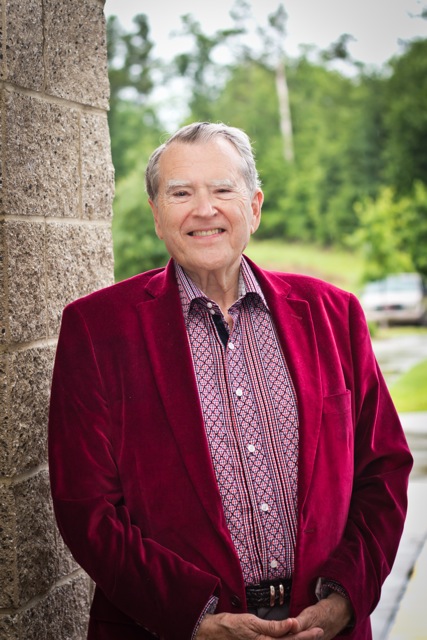
    ConradImageI got to know Conrad Gempf back when I worked for Zondervan, publishing fantastic UK authors. Although Conrad’s not a “UK author,” even though he got branded as such. He’s an American (from Jersey!) who has lived here a lot longer than I have. And I’m happy to report that he’s not lost his Yankee accent. He’s wry; he’s observant; he’s funny; he’s caring. All around a great guy. We’ve spent a couple of Thanksgivings together as families; his cranberry nut bread is to write home about.

    Professionally I love working with him because he’s got the ability to communicate the deep truths of the gospel in a clear, succinct and witty way. He’s an academic but doesn’t live in any ivory tower. After a few years of not working together, last year we, through Authentic Media, got to produce his fabulous book on the Apostle Paul: How to Like Paul Again. I can’t recommend it highly enough.

    Here’s a short interview with him focused on his reading interests (he’s the one who, many years ago, put me on to Malcolm Gladwell):


    Some Christians of my generation can’t believe anyone wouldn’t like Paul. But many, perhaps most, of my students have real trouble with him, particularly with his views – or what they think are his views – about gender issues and other “hot potato” topics. But it’s short-sighted to decide whether to like someone by whether they agree with you, or what they can do for you. Probably all of us have one or two people that we love to bits even though they hold some pretty dumb opinions. You really want to make such decisions on the basis of a person’s underlying integrity and values and motives.

    I’ve written popular-level books about Jesus, and now on Paul. My next project will probably be a more academic piece. One of the areas I’m interested in is in Jesus’ predictions about the End Times, a hotly debated area in my field. If it goes well, perhaps there would be room for a popular-level book on the same subject. Because Paul often uses “armour of God” imagery when he’s talking about End Times, a title I’m considering is: The End of the Universe: What to Wear.

    One of the characteristics I most want my writing to display is that I take Him seriously but don’t take myself seriously. I’ve actually learned a lot from comedy writers – how to emphasize the profound and cosmic by placing it with not just the ordinary but with the particular. Woody Allen once said he believed in a Deity who was in control of the universe except for certain parts of New Jersey. So my books about the New Testament bring in examples like John Deere tractors, Clark Kent, and a World War I aeroplane called a Nieuport 27. Even if you don’t know these names, the use of something so particular can be humorous. And if, by chance, you do know, well, author and reader share a warm private chuckle.

    I count a variety of authors as influences and favorites. Some are obvious choices, like CS Lewis, who writes so simply but with boundless intelligence and imagination. How I long to be like that! But I’ve also been fascinated by the writing styles of Raymond Chandler, Woody Allen, Malcolm Gladwell, Aaron Sorkin, Robert Farrar Capon, and Abraham Joshua Heschel. What a lively conversation a room full of them would be!

    I think I’ve used a different word processor for every major project I’ve written. The first chapters of my PhD thesis at Aberdeen were written on a word processor I programmed myself and the files were stored on cassette tapes! Lately, I enjoy writing on my iPhone with a small flat Apple keyboard on a simple word processor called WriteRoom. On the Mac itself, Scrivener is wonderful.

    I’m often asked why an author who is as ‘into’ technology as I am doesn’t make use of tools like Facebook. My answer may sound familiar. I think it’s short-sighted to align yourself with companies and services based solely on what they can do for you. I really want to make such decisions on the basis of a company’s or service’s underlying integrity and values and motives.

    Conrad Gempf is a Christian, husband, father, writer, teacher, speaker, introvert and idealist. His latest book is How To Like Paul Again: The Apostle You Never Knew. His website is gempf.com.

  • Tragedy and hope – living in the Philippines


    10695613325_c14074b6f1_z

    The recent typhoon that hit the Philippines has shocked and moved us. I watched as day by day the angry colors on the meteorological map of the BBC website move closer and closer toward the island where one of my dear friends has lived for decades. Knowing someone there makes the crisis more personable; it’s a land filled with people we’ve prayed for since she and her family moved there (she was one of my roommates at university, and one of my friends since junior-high school). I was relieved to hear via Facebook that my friend and her family were south of where the typhoon hit, and thus not in harm’s way. My heart goes out to all those who have been affected.

    I wanted to put a human face to the Philippines, so below is an interview with Lynette Tillman (she has lived their since 1992). She also shared with me the incredibly moving story of fellow missionaries, who live in Tacloban, where the typhoon hit. They went back to their home before the typhoon arrived, feeling called to be an incarnational presence there even though they were putting themselves in danger. Don’t miss their story of floating inside their house on a mattress while the 235 mile winds blew out their windows. I love that cans of Dr. Pepper floated over to them to slake their thirst…


    A Blonde in the Philippines

    Typhoon Haiyan hit the Philippines on November 8, and went through the middle part of the country. Several small towns were hit, but the hardest hit city was Tacloban City. I have not been there since the typhoon hit, but the images are jarring. Whole subdivisions of cement houses have been flattened. In as much as I would like to go and help with the recovery, it is not yet time for that. Right now, what is needed is for experts to go in and clear the areas of debris (and, unfortunately, dead bodies), and to get the initial aid of food and water out to the survivors. I hope to go in a few months to help either with debriefing the survivors, or to help in the rebuilding.

    image-1
    Andy and Lynette Tillman

    I felt a call to be a missionary since I was a young teenager. My husband, Andy, felt the same call. When we applied with a missionary-sending organization, we did not specify where we would like to go. At the time, however, there was a need in the Philippines as many missionaries were at retirement age. We have been involved in traditional church planting, and now reaching out to those of other religions (animism, Muslim, etc.).

    Being blonde – with three blonde kids – in my country means we are always looked at, always noticed, usually stared at. One gets used to it. When I was newly married I received more attention; once I had children, much of the attention transferred to them. Now that my children are heading off to university in the USA, they are having to adjust to not being noticed so much!

    Right now I have three jobs. I am a high-school science teacher at Faith Academy Mindanao. Faith Academy Mindanao is a small international school in Davao city in the southern Philippines. We have approximately 150 students, with 60 in the upper level (high school). We exist primarily to educate the children of missionaries, but also are the only international school in our city, so we have several children of business people as well. I teach freshman science (physical science) as well as chemistry and physics. Second, I run a guest house for workers who are reaching out into difficult areas in this country. We provide an inexpensive (US$3.50 per night) accommodation for these people, who come into the city for meetings, in transit, or just to get away and rest. We provide a venue for trainings, as well as member care for these hard-working missionaries. Third, I am the child safety officer at Faith Academy Mindanao. As we are in the two-thirds world, and generally educate foreign students, we are not adequately held accountable for reporting suspicion of child abuse. A group of like-minded mission organizations have banded together to hold each other accountable in this area. So I work to keep our campus (and community) safe for child and adult alike.

    One of the dinners hosted by the Tillmans
    One of the dinners hosted by the Tillmans

    Filipinos are some of the most hospitable, loving people in the world. Currently we are working with the unreached peoples in this area. It is heartbreaking to realize that although there are many in this country who call themselves believers, they do not share their faith. The rich culture of these unreached peoples will only be enhanced as they come to know Jesus as the Messiah.

    We are now experiencing one of the costs of being a missionary in the Philippines – our eldest child, Marisa, is away at university in the USA. It is difficult to be so far away from her, especially as she struggles to find places where she feels comfortable spending holidays (such as the upcoming Thanksgiving break which she will spend with 3 different sets of people, as she does not feel that she should stay at any one of these places for more than a day or two), and when she is just not feeling well (she has had a fever and cold this recently, and it is difficult not being there to mother her). Another cost is that if we were in our home country, we would not be able to live off of our current salary. Monetarily it is difficult, and as we are looking at retirement age not too far off, we do not have the means to retire.

    image-2But there are so many joys. We are able to see the joy on the faces of people that are helped. We have seen many come to know Jesus. We have seen people fed, and clothed. An example is that in early December we will host a Christmas party with any local missionary who is reaching out to the unreached in our area. This annual event is such a joy. For several who attend, this is the only chance they have to freely celebrate Christmas. We are able to also give gifts to the children of the workers. A simple doll or other toy (which may be their only gift for Christmas) brings such joy to these children.

    I hope you’ve been able to support the disaster-relief projects through prayer and finances – Tearfund or Compassion or World Vision are good organizations to give through. If you’d like more information on Lynette and Andy Tillman’s work in the Philippines, you can visit here.


  • Talking about books with RT Kendall

    You may know that I run the Woman Alive Book Club. This month’s interview (reproduced here, uncut, with thanks to Woman Alive) is with the prolific writer, RT Kendall (author of over 50 books). He was the senior minister of Westminster Chapel in London for 25 years. He lives with his wife in Tennessee, and continues to preach, teach, and write.

    RT KendallI pray a lot about writing books and seek the leadership of the Holy Spirit in the entire process. I refuse to write until I am gripped. Some of my books were sermons. My book God Meant it for Good was a series of Sunday-night sermons on the life of Joseph from Genesis 37-50. They were originally typed from a tape recorder, then edited to make them more readable. The same is true of  All’s Well that Ends Well (life of Jacob) and A Man After God’s Own Heart  (life of David). But other books I type at my computer. Sometimes a publisher will ask for a particular subject, sometimes I will get inspired to write on a subject. I like to think that at the bottom of all this is the anointing of the Holy Spirit. But at the end of the day no matter how inspired I may feel if people don’t purchase the books they won’t get read!

    Total Forgiveness has sold the most copies (also in 20 languages) of my books and I have received the most letters from people who read it. That book has apparently healed marriages, got family members speaking to each other. I could almost have a book made up of testimonies of readers.

    There is not a pastor who does not have people say, “I know God forgives me but I cannot forgive myself.” Totally Forgiving Ourselves has set people free in a wonderful way, but I give God all the glory for this. It’s not me. I have had to do what I tell people to do – I had to forgive myself for not being the good parent I should have been when the children were growing up. I put my church and sermon preparation first thinking I was putting God first. I now believe if I had put my family first I would have preached just as well but I can’t get those years back. I have forgiven myself – I really have! And this has helped others to do the same.

    I have been criticized for the title of my latest book – Totally Forgiving God – and  I understand this. It sounds like God is guilty of something. But he is absolutely pure, just, and righteous. That said, he allows things to happen which he could have stopped (since he is omnipotent). We have to forgive him – set him free, let him off the hook – for the things he allowed to happen. The book is largely an exposition of the Book of Habakkuk and demonstrates how we must wait until the Last Day for God to clear his Name. I have received testimonies of people who said that book set them free.

    We love Britain and would live there tomorrow if we could. It is too expensive. My best friends are in Britain; my happiest memories are in Britain. It was at Oxford I received my research degree; it was in London I was given an international platform. I would never have written a book had I been pastor elsewhere. So I am grateful to God for the privilege of having lived in England. Louise and I take every opportunity to visit when we can. The nostalgia is deep in us.

    When I was young I identified with Joseph. Now that I am old I identify with Jacob. When I read about Jonah I say “I am Jonah” – the Jonah who went the opposite direction from what he was told to do; I am also the carnal Jonah who pouted from not being vindicated. My latest book to be published in the USA is on Elijah. I identify with him – a very self-centered man who took himself too seriously.

    My book on David is called A Man After God’s Own Heart. I identify with him in many ways, especially in his days of preparation before he became King. But what I admire most about David was how he handled himself when in exile and let God do the vindicating.

    Although I have not written a book on Paul – only preached from his letters – he is the one I look forward to talking with in heaven. I want to see what marks he will give me for how well I interpreted Romans, Galatians and all his Epistles. I will also ask him, “Did you write Hebrews?” (I think he did, but nobody agrees with me).


  • Interview with Joni Eareckson Tada, and review of Joni and Ken

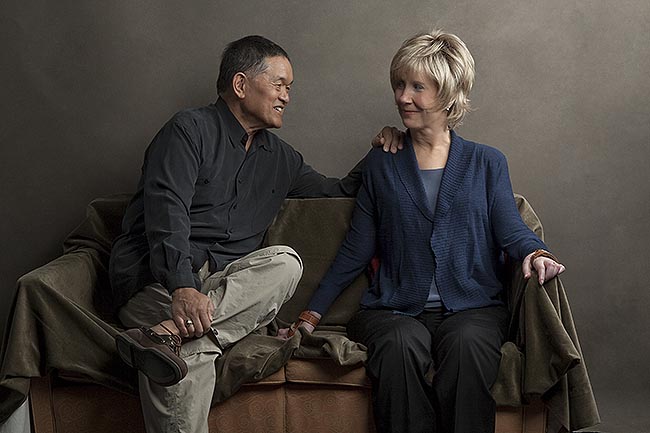
    A couple of months ago I had the privilege of interviewing Joni Eareckson Tada in connection with her new book, Joni & Ken: An Untold Love Story (Zondervan). I’ve long admired her, and got to meet her and her husband one year when I was working for her publisher. She exudes God’s grace and love in person and online. And in her new book, detailing the story of her and her husband’s thirty-year marriage, she and Ken share so honestly about their challenges, struggles, and joys.

    12_JONI_KENANDJONI_0015

    For when Ken Tada made his wedding vows, he knew he would especially have to live up to the phrase “in sickness and in health.” After all, he was marrying a quadriplegic. He also knew his life would hold particular challenges and joys, for he was marrying the internationally known author and speaker, Joni Eareckson. But he didn’t reckon on the debilitating sameness of her daily routines, such as her toileting challenges or the need to reposition her several times each night.

    Their book journeys through their 30 years of marriage, warts and all. It chronicles the early days of romance and international travel along with the crushing middle years of depression, excruciating chronic pain, and a growing distance between them. The severe mercy of breast cancer a couple of years ago was the agent to bring them back to a full dependence on Jesus – and to union with each other.

    Not many biographies of people in the public eye are so searching and honest. I can’t recommend this book highly enough, not only for people who hope for a closer marriage, but for anyone wanting to witness how God can change lives – even those who have been following him for years.

    Run, do not walk, to your local Christian bookshop to get a copy of this book; I loved it! It’s real, gritty and honest – and dripping with God’s hope and redeeming love.

    In Joni’s Words

    9780310314691_30

    Here is Joni sharing her love of books, an interview that appeared in the May 2013 issue of Woman Alive (the book club that I run); reprinted with permission.

    There are lots of surprises in Joni & Ken, not the least of which is Ken’s part of the story. How does a strong, handsome, virile man keep passion alive when he’s married for three decades to a quadriplegic woman? For years, Ken has gotten up every night to “re-position” me in bed (I can only lay in one position for four hours). So how does he manage that with such a good attitude? Or does he have a good attitude?! This book reveals all.

    The Liberty of Obedience by Elisabeth Elliot remains a favorite book of mine. I first read it when I was released from the hospital after the diving accident in which I broke my neck. Suddenly I was expected to trust God in the midst of utterly overwhelming circumstances. This little book gave insight and wisdom as to how I could embrace the Lord in the midst of total quadriplegia. If Elisabeth Elliot could do it amidst the Acua Indians after they killed her husband… then I could, by God’s grace, do the same.

    The saints of old, such as Amy Carmichael and George Muller, inspire me. One of the dangers of the Christian life is that we too often imagine it – we imagine we’re walking closely to the Lord or that we’re being obedient or kind or loving. But trials – such as the kind faced by Amy Carmichael and George Muller – put our love for God and for each other to the test. What we believe about the Christian faith must be lived out in reality and tough trials are the best way of forcing our faith to be real.

    I resonate with Paul and Silas [from the Bible], deep in a dark jail cell at midnight singing praises to God… loudly! These two inspire me to always ask God every morning for “a hymn in my heart” so that I might follow their example. And throughout the day, it’s the melody I keep humming, like “praying without ceasing.”

    Runaway Home is one of the children’s books that I love. It’s a marvelous series about a family who packed up all their belongings in a trailer and set out to find adventure across the United States. Since I have always loved geography and maps, even as a child, I thrilled at all their new discoveries on every page. The book series may be out of print, but, to me, it’s a classic.

    You asked if I could only save one book from your burning house, which would it be and why? After the Bible, my family’s photo album – with my parents long gone to heaven, these old photos are precious memories I would never want to lose!

    Joni Eareckson Tada, founder and CEO of Joni and Friends, is an international advocate for people with disabilities. She’s the author of over 50 books, including her bestsellers Joni, When God Weeps and A Step Further. She and her husband Ken Tada have been married for 30 years.


    So tell me, have you read any of Joni’s books, or watched the film of her life? Has her ministry made an impact on you?

  • Encouraging women — an interview with Liz Curtis Higgs

    photo of LCH‘I absolutely love encouraging women. It makes everything inside me sing.’

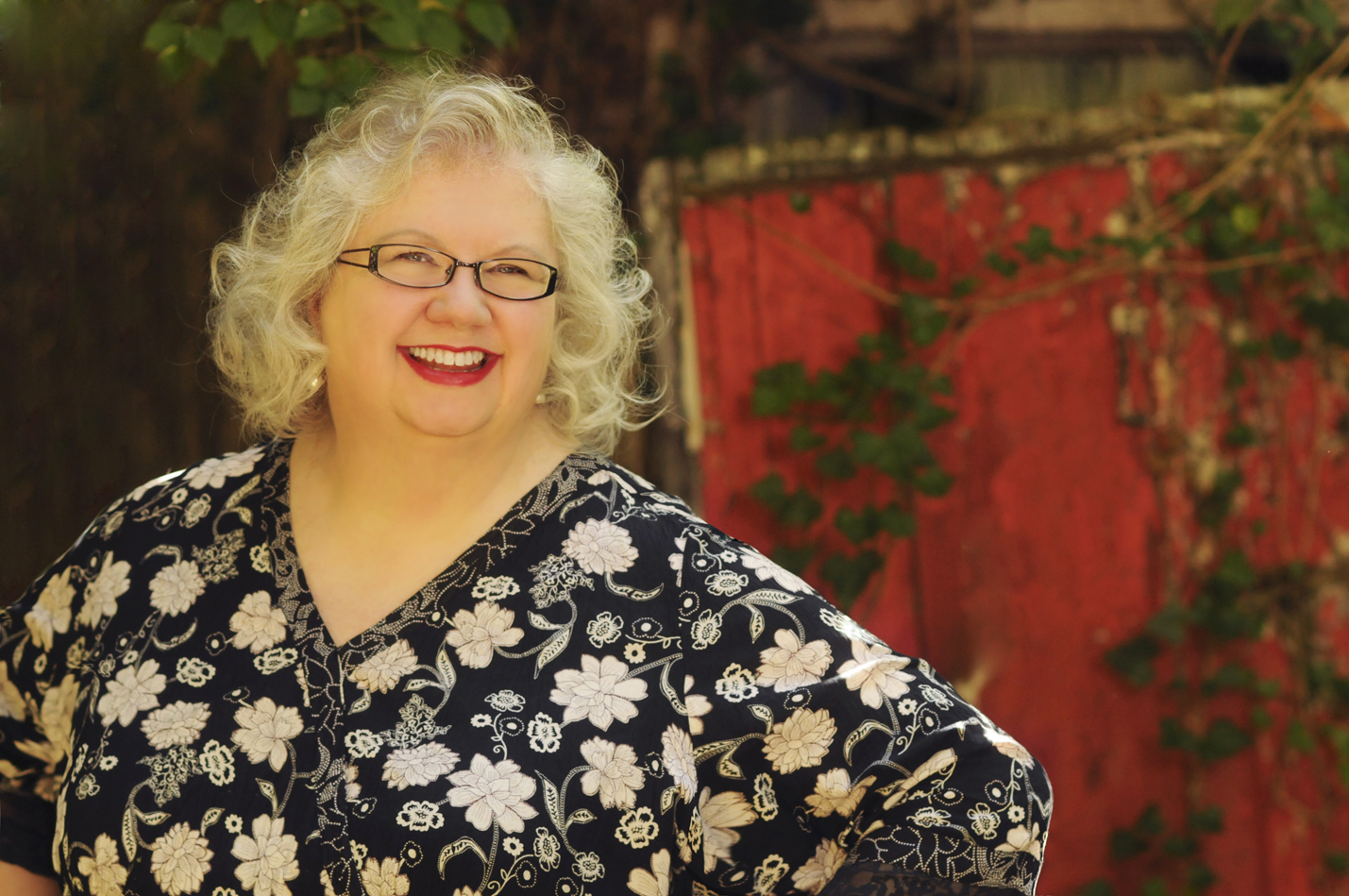
    I recently chatted with Liz Curtis Higgs, the popular speaker and author who has written 30 books with more than 4 million copies in print. This engaging interview appeared in the June 2013 edition of Woman Alive, and is reprinted with their kind permission. (I get to interview quite a few writers for the Book Club I run in Woman Alive, and Liz must be one of the most gracious… Read on!)


    I grew up in small-town America, the quintessential Good Girl. Then I turned sixteen, got my driver’s license, and strapped on my Bad Girl shoes. For me the 1970s were a blur of sex, drugs, booze, and rock’n’roll. In 1981 I met two Christian colleagues who hugged me regularly and loved me unconditionally. Little by little my heart softened toward God. Later I showed up at their church, determined to see if there were any others like those two: funny, loving, nonjudgmental, Bible-toting Christians. There were whole pews full of them. Then I heard God’s Word. And I knew why I’d come.

    When I gave my heart to Christ a few weeks later, he gave it right back to me, good as new. The first verse I memorized will always be my favorite: “Therefore, if anyone is in Christ, he is a new creation; the old has gone, the new has come!” (2 Corinthians 5:17)


    I have something in common with all of the Bad Girls of the Bible. Many of my readers say the same. Most sin has pride at its root—something I understand all too well—so it’s easy to relate to their struggles, their temptations, their failings.

    The sinful woman of Luke 7:36-50, who bathed Christ’s feet with her tears, dried them with her hair, kissed them with her mouth, and anointed them with her perfume, is my favorite of the Bad Girls. I think it’s because she worships the Lord completely, without worrying what others think of her. That level of devotion is breathtaking. And convicting. Yet, it’s also inspiring.


    I met my husband Bill at a wedding (you’ll be happy to know, not our own!). He worked as an engineer at the local Christian radio station, and I had my own show at a secular station in town. We began chatting after the ceremony, and I liked him immediately. Smart, kind, attentive, funny—all the things a woman might hope to find in a man. Of all the earthly blessings God has brought my way, my husband is at the very top of the list.

    How do we keep our marriage strong? We spend as much time together as possible, yet nurture a few individual interests. Bill enjoys tinkering with his amateur radio equipment, I love going to the movies or getting lost in a novel. And we pray together, often.


    Every Friday and Saturday, I’m likely to be speaking at a Christian women’s event. I love people, and mingle about from the moment I arrive until the last woman waves goodbye. Then I go home and collapse—though still with a smile on my face! Then I do the work of a writer in my Sunday through Thursday life, when I stay home and recharge and pour words onto the page instead of across a stage. I love those quiet, solitary hours, surrounded by my Scottish research books and translations of the Bible. Writing is how I’ve always expressed myself. Come Thursday evening, I’m ready to head out the door again, and eager to be with my sisters in Christ. It’s an odd, hybrid sort of life, but it seems to work.


    MineIstheNight_mechFor as far back as I can remember, I’ve loved the music, stories, and folklore of Scotland. But that affection grew much deeper in 1995, when God whispered three words in my heart that made little sense at the time: Scottish historical fiction. Pretty daunting, when I had yet to visit Scotland, was a so-so history student during my university days, and had never written a novel!

    Less than a year later, my husband and I made our first of many trips to Scotland. I quickly found the setting for my first series of novels, nestled in bonny Dumfries and Galloway, then began collecting the research books that serve as the backbone for my stories.

    Now I travel to Scotland annually, either to do research, visit friends, lead a tour group, speak in churches, or explore a new part of the country. I’ve had the joy of traveling to many foreign lands, but I’m still happiest when the plane touches down in Glasgow or Edinburgh.


    I enjoy period films for the same reason I prefer historical novels: I love to be swept away to another time and place, to imagine how people lived and worked, how they dressed and dined, how they spent their days and nights. Every detail of every decade interests me—Elizabethan, Georgian, Victorian, Edwardian.

    Favorite period films? A few I can watch again and again: Sense and Sensibility, Little Women, The Count of Monte Cristo, Emma, The King’s Speech, not to mention some of the marvelous BBC productions of recent years, including Bleak House, Cranfor, and Little Dorrit. And yes, we are serious Downton Abbey fans at the Higgs house. The first season remains my favorite. Midway through the third season we almost bought “Free Bates” T-shirts. We’re still in mourning for you-know-who.


    Woman Alive reader Ellen asked what’s my favorite part of a book to write. I could be cheeky and say the last word on the last page, but that’s actually not true. In a novel, things start getting really fun at about the halfway point, when the characters take over, and it’s my job simply to keep up with the drama and write it all down. With nonfiction, my favorite part is when I discover something in a biblical story that I’ve never noticed before. It’s like finding hidden treasure.


    If we keep our eyes open and our hearts softened and our thoughts in tune with the One who made us, we will discover him constantly at work in our lives, day in and day out. A friend calls at just the right time. An unexpected check arrives when we need it most. A relative facing cancer gets a promising report from the doctor.

    Luck and coincidence are not in God’s vocabulary, so they aren’t in mine either. Instead I look for blessings and…uh…opportunities for growth! (The optimist in me avoids the word “challenges,” though sometimes that’s the best description.)

    Selkirk, Scottish Borders. A photo taken by Liz on one of her trips. @ Liz Curtis Higgs
    Selkirk, Scottish Borders. A photo taken by Liz on one of her trips. @ Liz Curtis Higgs

    One God-incidence that comes to mind happened in Scotland a dozen years ago. I was tramping about Glen Trool, snapping photos with my brand-new Canon. Suddenly my foot slipped, and gravity took over. Down I went, tumbling over some sharp rocks, my camera leading the way.

    By the time I came to a stop, my lens was covered with dirt, my foot was pinned underneath me, and I was in a good deal of pain. I was also entirely alone. The Visitor Centre hadn’t opened for the season, and no one was anywhere in sight.

    I called out for help, feeling more than a little foolish. But I had to do something.

    Out of the blue appeared an older man with a shock of silvery hair and a sturdy build. “Och! What’s happened here, lass? Have ye taken a tumble?” He helped me to my feet, plucked the camera from my hands, deftly brushed off the dirt, and examined the lens with a practiced eye. “A scratch or two on the case. Nothing to fret about.” He made a minor adjustment, then handed the camera back to me. “Good as new.”

    That’s when I noticed the professional-looking equipment draped around his neck. “Are you a…”

    “Photographer,” he said with a nod, then cupped my elbow. “Come, let’s get you onto level ground.” Minutes later, he disappeared from view round a bend in the road.

    Imagine, in that vast, empty glen, a man with camera know-how and strong arms showing up at the precise moment I was desperate for both. God at work, I’d say.


    Challenges I face? Finding time to hang out with friends, to relax without feeling guilty, to keep up with my extended family scattered all over the U.S. I take on too much, sleep too little, fret too often. All the usual anthills of everyday life.

    Joys in life? It isn’t the awards and the accolades, though of course, such things are a blessing. What I treasure most are the letters and emails and Facebook posts from readers or audience members who pour out their hearts to me and show me what God is teaching them. I absolutely love encouraging women. It makes everything inside me sing.


    + Liz has three upcoming UK speaking engagements: 20 June in Surrey; 25 June in Inverness and 2 July in Edinburgh. For more information see Liz’s website.