Category: Devotionals

  • Devotional of the week: Philippians 2:5

    The Great Dance


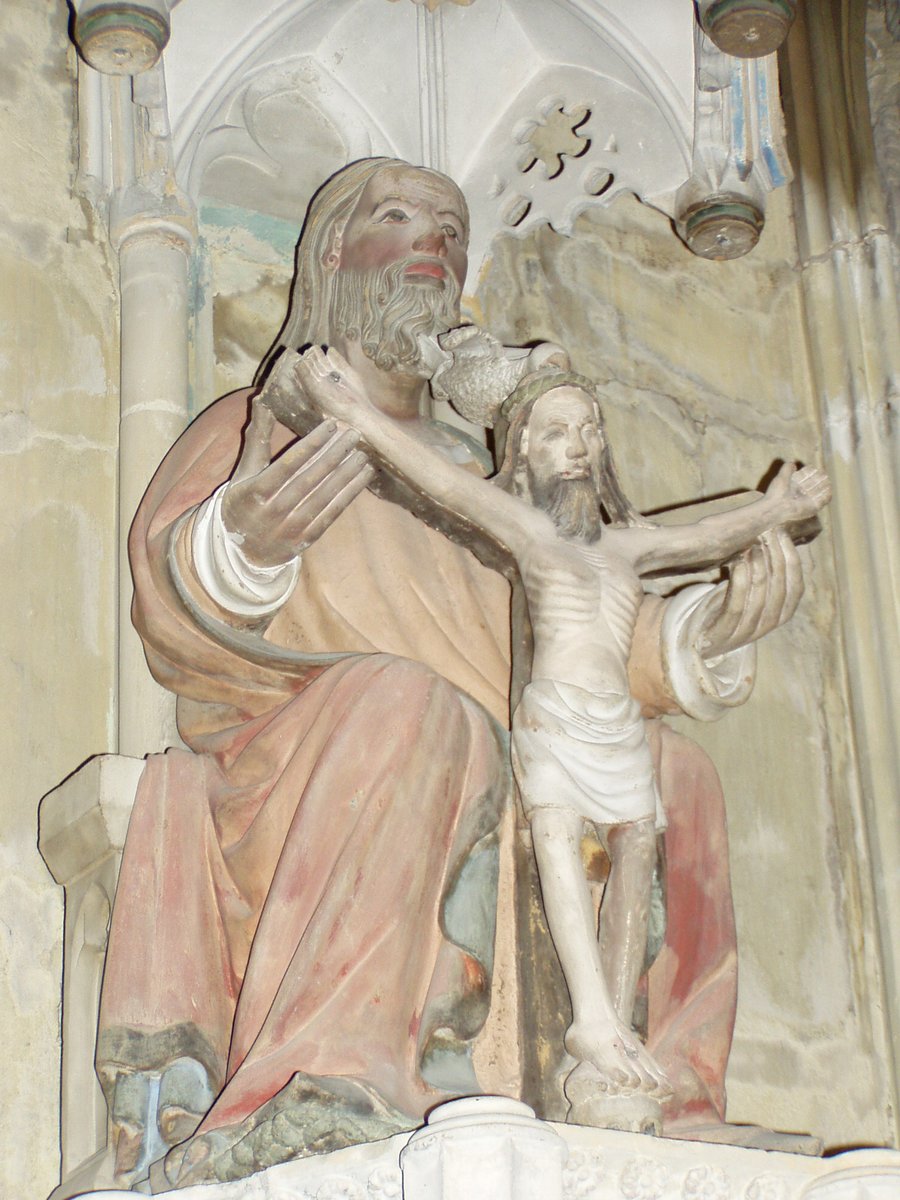
    A statue from a cathedral in Germany (sorry, can't remember which one), depicting the Trinity.
    A statue from a cathedral in Germany (sorry, can’t remember which one), depicting the Trinity.

    “In your relationships with one another, have the same mindset as Christ Jesus…” Philippians 2:5


    How can fallen human beings have the same mindset of Christ, he who was without sin? “Impossible!” we might think. And it would be impossible, but for the mystery of Christ’s incarnation and for the filling of the Holy Spirit in the life of the believer. Paul writes of this truth in another epistle, “Christ in you, the hope of glory” (Colossians 1:27), or as Jesus prayed for his disciples – and for us – on the night before he died, “I in them and you in me” (John 17:23). Jesus dwells in us, just as he dwells in the Father. This is the wonderful embracing dance of the Trinity, who welcomes us into their circle of love.

    When we learn to continually call to mind the amazing truth that God lives in us, our outlook changes and we begin to see the world through God’s eyes. A thought drops into our head from seemingly nowhere, filled with insight and wisdom that we would have to admit is beyond us. Peace washes over us in the midst of harsh circumstances. We find the strength to forgive the friend who betrayed us. We humble ourselves and put first the needs of our spouse, friend, stranger or child. We receive help at the precise moment of our need.

    How might having Christ’s mind change your world today?


    Lord Jesus Christ, help us to remain in you even as you remain in us. May we keep your commandments and remain in your love. Amen.

  • Devotional of the week: Philippians 2:3–4

    Upside-down World


    “Do nothing out of selfish ambition or vain conceit. Rather, in humility value others above yourselves, not looking to your own interests but each of you to the interests of the others.” Philippians 2:3–4

    He washes their feet... he prepares to die for them. The exemplar of true humility.
    He washes their feet… he prepares to die for them. The exemplar of true humility.


    To value humility today is to act counterculturally. We’re told by endless advertising campaigns that we’re worth it, and that we should treat ourselves to the things we desire – even if we have to step over others to get them. In the cut-throat world of business, humility can be viewed as weakness. That’s certainly portrayed in Hollywood films as well. But Jesus exemplifies true strength. Though the strongest man in the world, he became the weakest – and in the process turned the wisdom of the world on its head.

    Paul wanted the church at Philippi to stop bickering and acting selfishly. Later in the letter (4:2–3) he names two women who had been sparring, pleading with them to stop, for he knew that the infighting was detracting from the mission of the church.

    So too with us. I could recount many stories where I put myself first. No doubt my husband could corroborate, and dig out some anecdotes that I forgot. But I take comfort knowing that God is in the business of transformation. When he leads us to value others more than ourselves, we begin to see their needs and discover opportunities to serve. And when we open our eyes and our hearts to those around us, God pours out his blessings on us. He still turns that worldly wisdom upside down.


    Lord God, forgive us for putting our own needs first. Help us to rejoice at the success of others. Amen.


  • Devotional of the week: Philippians 2:2

    Like Minded


    “…then make my joy complete by being like-minded, having the same love, being one in spirit and of one mind.” Philippians 2:2

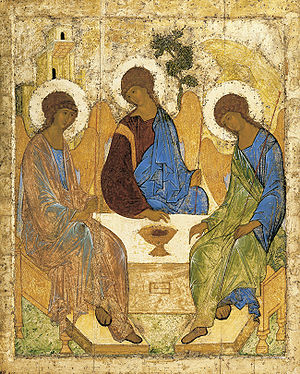
    300px-Angelsatmamre-trinity-rublev-1410
    Rublev’s icon of the Trinity – the gold standard of like-mindedness

    “What do you have in mind?” one friend asks the others as they decide where to go out to eat. A trivial example, admittedly, but when friends reach a common mind, the chosen restaurant can foster a setting for rich conversation and communion. Whereas if one person claims not to care, or doesn’t voice their desires out of fear, he or she may end up stewing all evening, affecting the mood of everyone.

    Here the apostle Paul tells the believers at Philippi to put aside their individual agendas and concerns in favor of those of their neighbours. As they each seek the mind of Christ, they will be brought together in a common purpose. With the Holy Spirit living and breathing through them, they will find unity with each other. The comfort, compassion, tenderness, and love they receive from God is what they can pass on to strangers and neighbors.

    Being like-minded with those whom we live or work or worship can, of course, be a challenge. We all have our own ideas about what constitutes right living, and often we don’t hold back from sharing with others – whether which is the right way to fold the clothes or mow the lawn or manage a project.

    Is there a “difficult” person in your life? If so, perhaps this week you could challenge yourself to seek unity with them on just one issue.


    Father God, in you we live and move and have our being. May we gain the mind of Christ. Amen.

  • Devotional of the week: Philippians 2:1

    Clothed in Christ


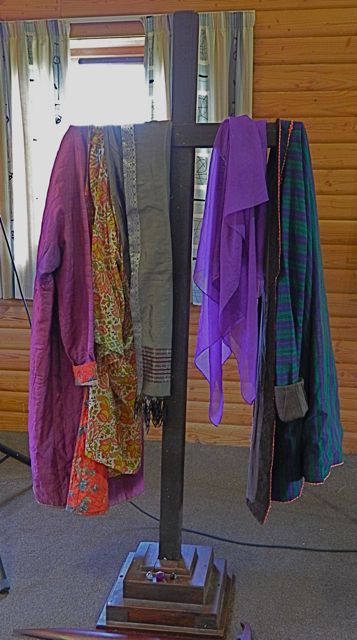
    DSCN0732
    The robes of righteousness – bestowed to us via the cross of Christ

    “Therefore if you have any encouragement from being united with Christ, if any comfort from his love, if any common sharing in the Spirit, if any tenderness and compassion…” Philippians 2:1 (NIV)

    Union with Christ – an unattainable mystery or a life-changing reality? The apostle Paul would argue for the latter; this gift of Jesus dwelling in us appears throughout his letters to the churches, including this letter to Philippi. As we slough off the old self – that which is prone to anger, bitterness, jealousy, greed – and put on the new – that which is marked by peace, faithfulness, goodness, self-control – we put on Jesus. As Paul said to the Romans, we clothe ourselves with Jesus (13:14), outside and in.

    In this crisp passage we’ll be focusing on for the next few weeks, Paul is concerned with the unity of believers that springs forth from our union in Christ. Though he was away from the church at Philippi, held in a prison for his beliefs, yet he pours himself out for those whom he is concerned, imploring them to live as new creations.

    Have you enjoyed a friendship with someone who, like Paul, champions you and your faith, even when sometimes that feels uncomfortable? When I’ve been on the receiving end of admonition or constructive criticism, I’ve felt an initial sting. But after prayer and reflection, and maybe just a bit of controlled ranting, I can see how God has used that person to challenge me to be more authentically the person he has made me to be.

    May we too, be open to speaking God’s words of love and wisdom.


    Triune God, may we put off the old self today and live clothed in Jesus. Amen.


  • Devotional of the week: Hebrews 12:1–3 (8 in series)

    Our Crown


    Therefore, since we are surrounded by such a great cloud of witnesses, let us throw off everything that hinders and the sin that so easily entangles. And let us run with perseverance the race marked out for us, fixing our eyes on Jesus, the pioneer and perfecter of faith. (Hebrews 12:1–3)

    OLYMPUS DIGITAL CAMERA
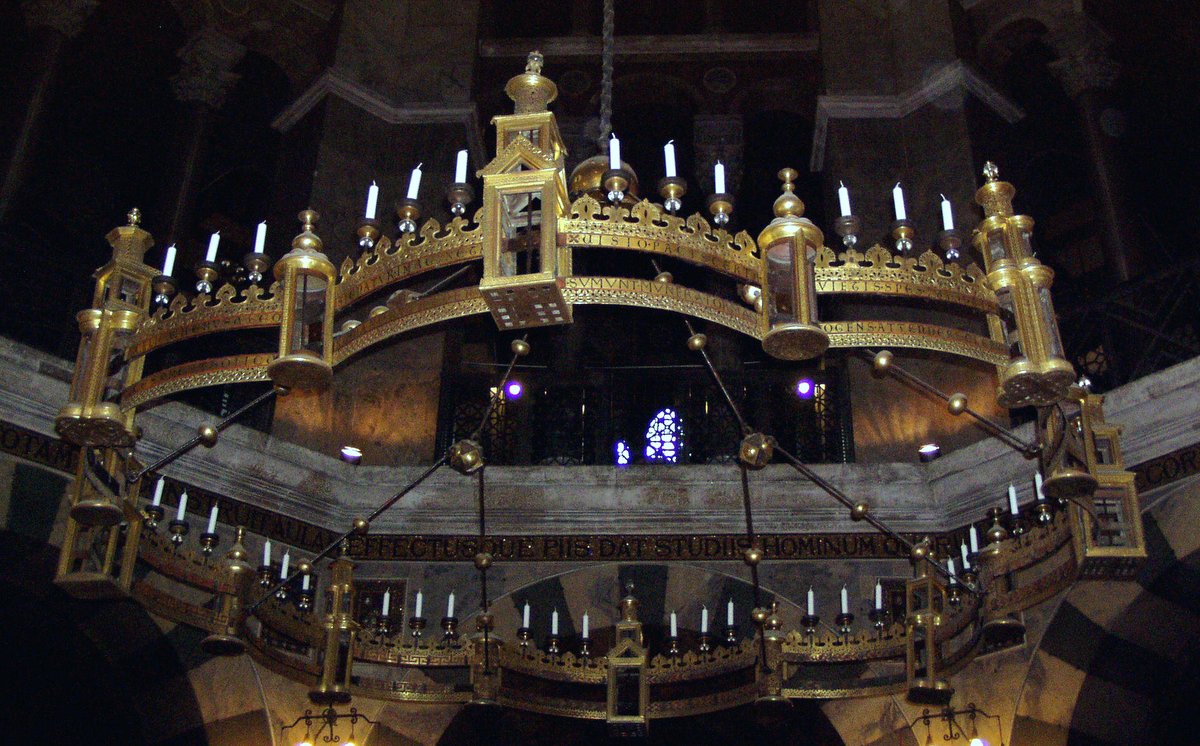
    The Carolingian octagon from Aachen Cathedral in Germany. A grand crown indeed, but must pale in comparison with the one that awaits us in heaven…

    By faith the saints lived and thrived. By faith they built an ark, made their home in a foreign land, bore a child in old age, left Egypt, passed through the Red Sea, made the walls of Jericho to tumble. All of this build up from Hebrews 11 – the rhetorical device of the “example list,” which ancient writers employed to call their listeners to action – leads to a great “therefore.”

    Therefore, says the writer to the Hebrews, let us run our race with perseverance as we fix our eyes on Jesus. He is the ultimate hero of our faith. He is the culmination of the amazing acts and supernatural feats. He endured the shame of the cross to draw us close to his Father, that we might enjoy a life of fruitfulness, joy, and peace.

    What race are you running? Perhaps you are young, and you haven’t yet made life-shaping choices – such as travels, marriage, a professional qualification. Maybe you are in midlife, with your path deeply cut in the earth but with many miles yet to traverse. Or perhaps you are nearing the end of your journey, looking back over a life that had its share of potholes but also buried treasure in the road as well.

    Wherever we are, may we slough off whatever is keeping us from running with joy and appropriate speed. In times of weariness may we look to Jesus to refresh us in body, mind, and spirit. In times of joy may we share our wonder and gratitude with him, the author and perfecter of our faith. And with the saints of old, may we too finish our race in a way to get the prize, the crown that lasts forever (see 1 Corinthians 9:24-25).


    For prayer and reflection: “And when the Chief Shepherd appears, you will receive the crown of glory that will never fade away.” (1 Peter 5:4)


  • Devotional of the week: Hebrews 11:32–40 (7 in series)

    Delayed gratification

    These were all commended for their faith, yet none of them received what had been promised, since God had planned something better for us so that only together with us would they be made perfect. (Hebrews 11:32–40)


    Suffering because of skin color. A statue to commemorate the people sold as slaves in Zanzibar, at what is now an Anglican Cathedral but used to be the site of a slave market.
    Suffering because of skin color. A statue to commemorate the people sold as slaves in Zanzibar, at what is now an Anglican Cathedral but used to be the site of a slave market.

    The writer to the Hebrews wraps up his discussion of the heroes of faith in this hodgepodge list of people, triumphs, and tragedies. Through faith they did some amazing feats, such as shutting the mouths of lions and quenching the fury of flames. But they also faced torture, chains, imprisonment, persecution, and mistreatment. And horrible deaths: by stoning, being sawn in two, by the sword.

    Not exactly a list of experiences we’re eager to embrace. Nor to advertise to people who are curious about the Christian faith. “Yes, become a Christian and you too could endure ridicule and maltreatment!” Sometimes instead we highlight only the amazing promises of God – that he will never leave us, that when we walk through the river the waves will not submerge us, that he loves us with an everlasting love.

    But because we live in a fallen world, which is not as God intended it, we may experience house fires and breast cancer. We may lose our jobs or our spouses to a roving eye and hand. God doesn’t cause these horrible experiences, but he allows them. Why? We just don’t know. At these times, perhaps more than ever, we need to cling to God’s faith-building promises while sinking back into his everlasting arms. And to know that God has something better for us planned, such as our home in heaven.

    None of these heroes – Abraham and Moses nor Gideon and David – received what they had been promised. But they welcomed it from a distance. May we who have the gift of the triune God – Father, Son, and Holy Spirit – live in a manner worthy of our callings. May God increase in us our faith, that we too may be heroes who welcome God’s promises, perhaps also at a distance.


    For prayer and reflection: “God wants you to understand that it is a life of faith, not a life of emotional enjoyment of his blessings…. Faith by its very nature must be tested and true.” Oswald Chambers


  • Devotional of the week: Hebrews 11:20-31 (6 in series)

    Invisible One


    By faith [Moses] left Egypt, not fearing the king’s anger; he persevered because he saw him who is invisible. By faith he kept the Passover and the application of blood, so that the destroyer of the firstborn would not touch the firstborn of Israel. (Hebrews 11:20-31)

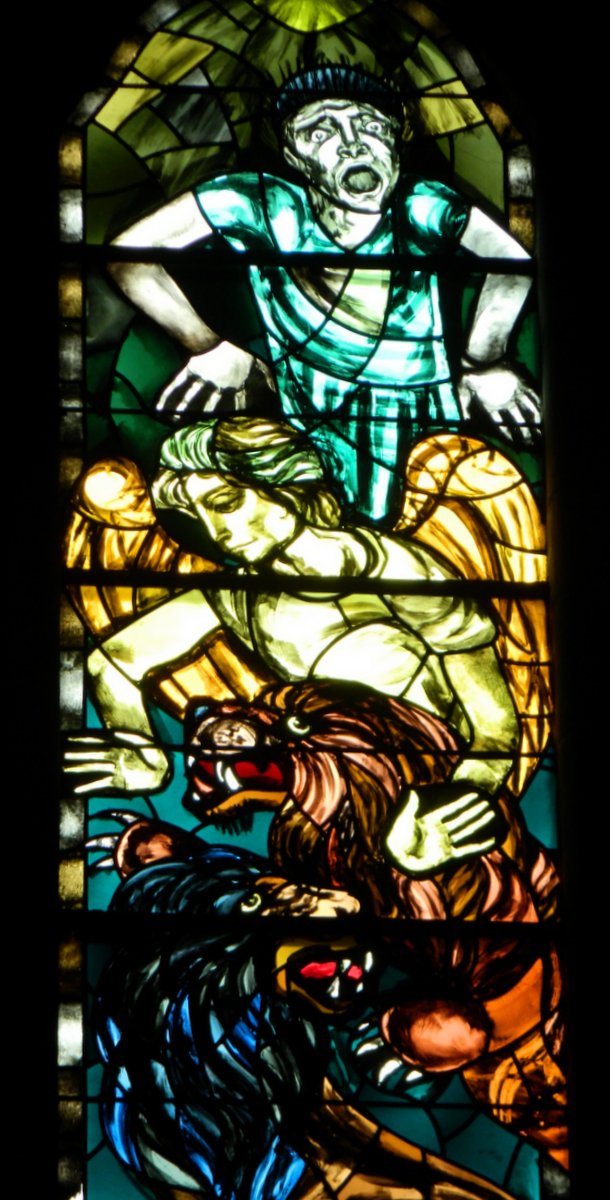
    A stained-glass window from Galway Cathedral, depicting some of the unseen realm.
    A stained-glass window from Galway Cathedral, depicting some of the unseen realm.

    A couple of years ago I was praying with a friend, whose father died not long before. She told me how her sister and mother visited a medium and had “called up” her father. Being fairly new in her faith, my friend was unsure whether this was really her father or not.

    She and I spoke about the unseen realm, and how Satan uses his powers to make otherwise unexplainable things happen. I warned that things like mediums and horoscopes are his tool. Having edited a book about a woman who nearly committed suicide after being embroiled in the occult, I told my friend of the dark power of these tools, but also of our God’s ultimate victory. (And I know I’m being controversial in making such statements…)

    Our passage today reminds us of God’s power in the unseen realm. When God first called Moses to be his leader, Moses was reticent and fearful, saying that Pharaoh wouldn’t listen to him.  Over time, Moses’ faith was built strong and firm as he witnessed God’s faithfulness through plague after plague on the Egyptians, when Pharaoh wouldn’t let the Israelites go. Finally by the time of this tenth plague of the firstborn, Moses knew without a doubt that God was real, even though Moses couldn’t see him.

    I sometimes wonder why God had to send so many plagues, especially when he kept hardening Pharaoh’s heart time after time. Maybe it was partly to show Moses that he was faithful and in control. To hone Moses’ leadership skills and teach him to follow God so that he could in turn lead God’s people.

    My friend’s father loved Jesus, so one day she will be reunited with him in heaven. May she, like Moses, persevere because she sees the one who is invisible. And may our eyes be open to see his face this day.


    Have you come in contact with things of the occult? Consider how you can know when spiritual practices are from God or from the evil one.

  • Devotional of the week: Hebrews 11:13–19 (5 in series)

    Our biggest test


    By faith Abraham, when God tested him, offered Isaac as a sacrifice. He who had embraced the promises was about to sacrifice his one and only son, even though God had said to him, “It is through Isaac that your offspring will be reckoned.” (Hebrews 11:13–19)

    DSCN4699-001
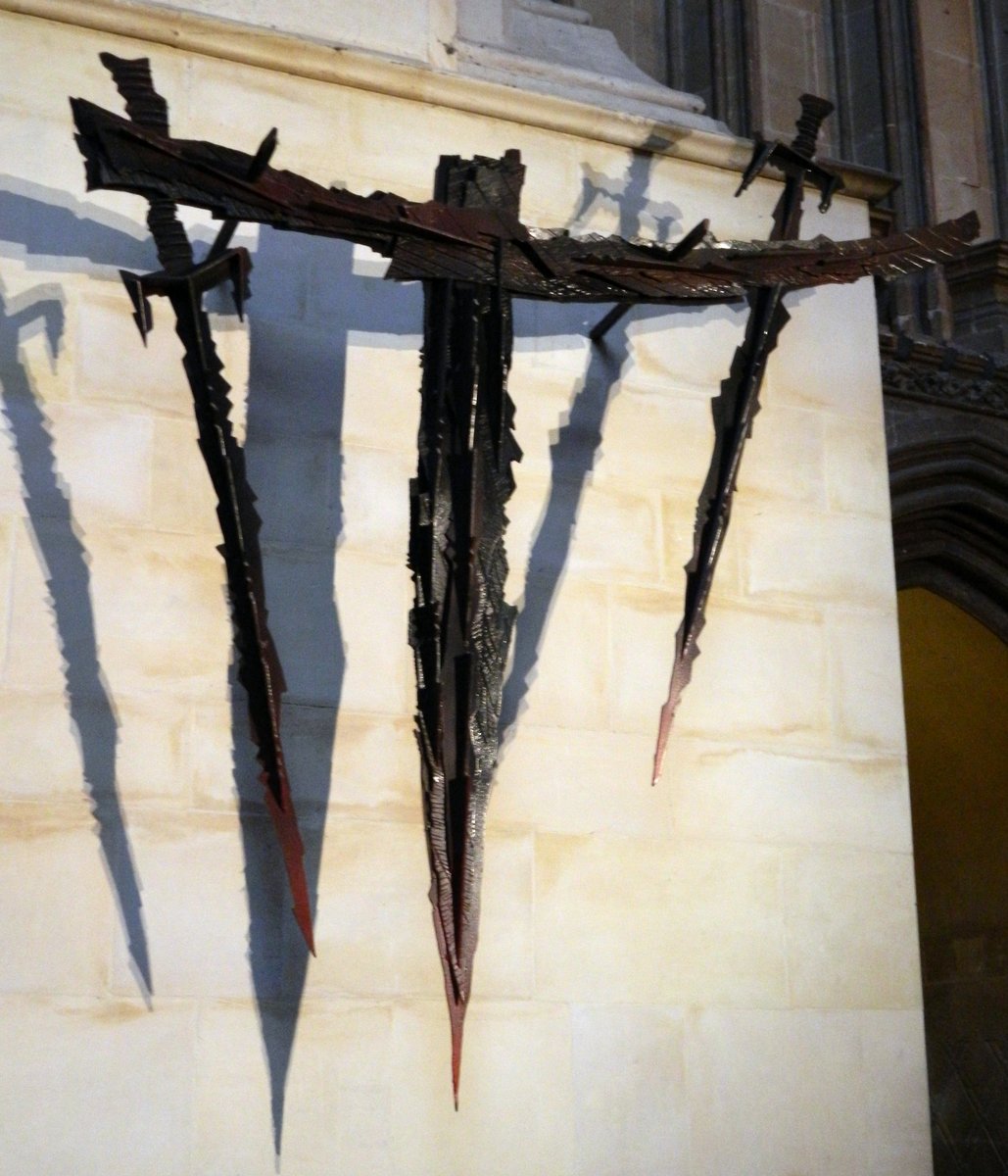
    A cross from Canterbury Cathedral, marking the spot where Thomas Becket was murdered. Makes me wonder what sort of implement Abraham held over Isaac. His son was saved, but the Father God’s was not.


    Our passage in Hebrews doesn’t gloss over the challenges that the heroes of the faith endured. One of the most moving is Abraham’s test in relinquishing his firstborn son, Isaac. Here God seems to be asking the impossible of Abraham – to sacrifice what Abraham thought fulfilled God’s promises. Abraham couldn’t conceive of how God would rectify matters, but went ahead in building the altar and arranging the wood, and even in binding up Isaac. What fear father and son must have felt when Abraham drew back his knife in obedience.

    But God didn’t make Abraham follow through, promising instead that Abraham would have as many descendents as the stars in the sky or the sand on the seashore. By faith Abraham passed God’s test, having followed God for many years. He had learned how to obey God’s instructions, even when he didn’t understand why or how God would make things right.

    What about us? Have we learned how to discern God’s voice that we might obey with a willing heart, like Abraham did? What’s our greatest point of need? We might be praying for a wayward child. We might long to marry or have children or grandchildren. We might yearn for some strong and healthy friendships. We might be hoping for a home that will bring peace and refreshment to our family and visitors. We might be seeking paid employment that employs our passions and our gifts.

    In all these things God wants to meet our needs, “according to his glorious riches in Christ Jesus” (Philippians 4:19). He might test us to hone our listening skills, that we may hear his voice more clearly. But he will never fail us – he who sacrificed his only son that we might live.


    Father God, you didn’t stop your son being slain on the altar, a worthy sacrifice for our sins. Thank you.

  • Devotional of the week: Hebrews 11:8–12 (4 in series)

    Strangers and foreigners


    By faith Abraham, when called to go to a place he would later receive as his inheritance, obeyed and went, even though he did not know where he was going. By faith he made his home in the promised land like a stranger in a foreign country… (Hebrews 11:8–12)

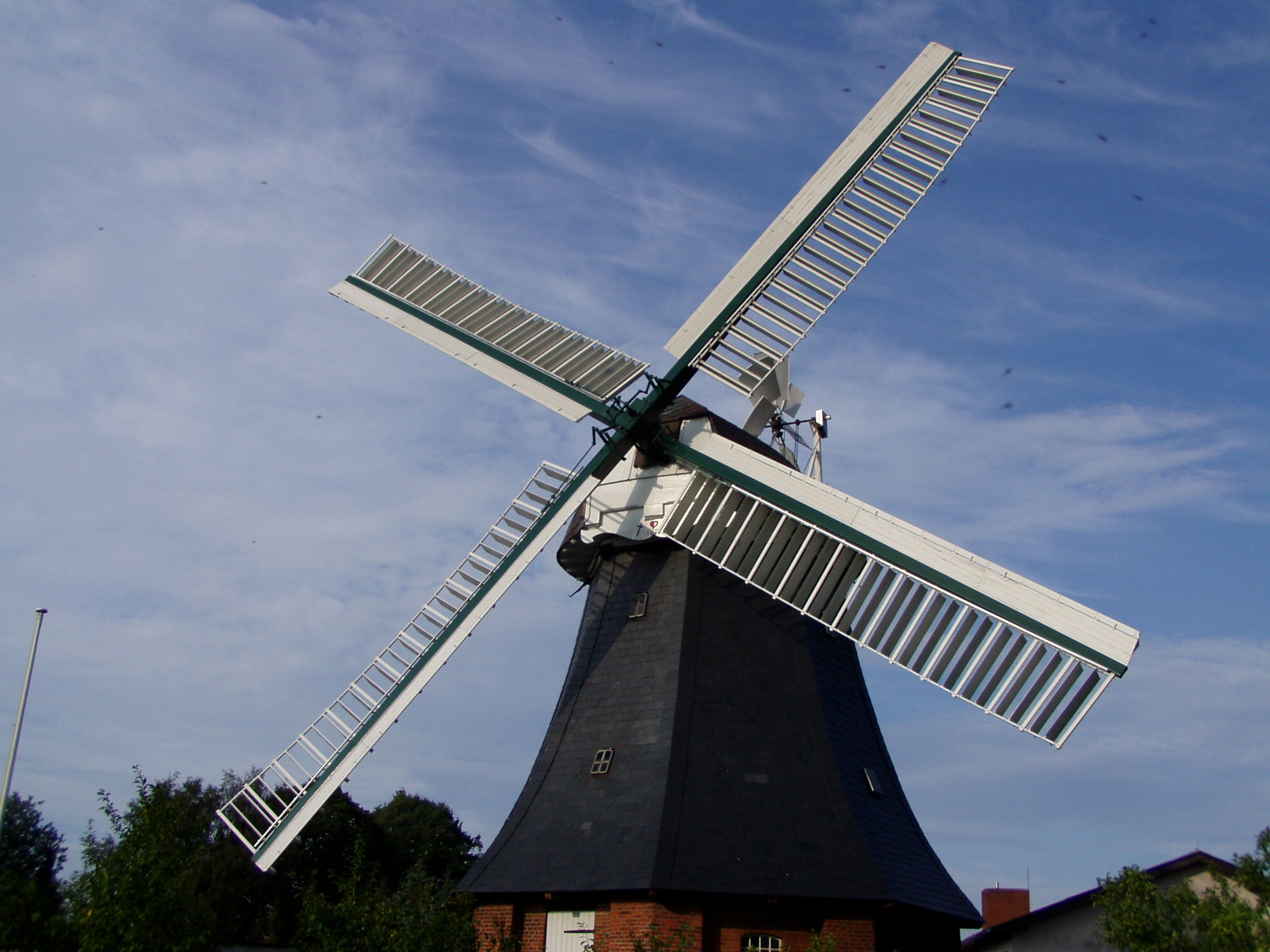
    My great-grandfather was a pilgrim to a strange land. In 1898 he left Germany for America, having to renounce his German citizenship. This windmill was built in the village he lived in before he was born, which we visited in 2006.
    My great-grandfather was a pilgrim to a strange land. In 1898 he left Germany for America, having to renounce his German citizenship. This windmill was built in the village he lived in before he left, which we visited in 2006.


    A closeup from the windmill - faith, hope, and love.
    A closeup from the windmill – faith, hope, and love.


    One US Independence Day, I was ending a silent retreat at an Anglican convent before traveling back to Washington, DC to watch the fireworks by the Lincoln Memorial. While on retreat God had impressed on my heart the story of Abraham, especially from these verses in the book of Hebrews. Here was one who left his home and became a stranger living in a foreign land.

    I felt like the Lord was speaking to me through Abraham’s story. For I had been asking God to confirm whether it was right to marry the Englishman I had been dating. I sensed that the marriage was right, but I was starting to see that it would not be without cost. I also caught the irony – as I was celebrating our nation’s independence from the British, I was also affirming that eventually I would become a subject of the Queen.

    Abraham obeyed and went, not knowing where he was going. For me, in my excitement to marry my beau, I hadn’t considered that I might have to obey God in this union. For although I had visited the UK, I didn’t know where we would be living. I would not have guessed that we would move three times in our first five years. Or of the crushing homesickness that I would feel for my family. I didn’t know it then, but by faith I too would need to make my home in this promised land.

    And though the UK is now home, I often with Abraham long for the heavenly city. When I’m missing my American people or links, I try to cast my mind on the city where there will be no more mourning or crying or pain, where we will live in amazing unity and joy. Come, Lord Jesus.


    Father God, we often feel like strangers here on earth, whether in the country of our birth or another. Take this dissonance and use it for your glory.


  • Devotional of the week: Hebrews 11:4–7 (3 in series)

    Holy fear

    By faith Noah, when warned about things not yet seen, in holy fear built an ark to save his family. By his faith he condemned the world and became heir of the righteousness that is in keeping with faith. (Hebrews 11:4–7, TNIV)


    DSCN0382
    St Michael defeating Satan, a sculpture at Coventry Cathedral

    The unknown writer of the book of Hebrews was warning his readers, who were Jewish converts to Christianity, not to give up on their new faith. The first flowering of their enthusiasm had died down, and now they were wondering if the sometimes hard life of faith was worth the slog. Yes, says the writer resoundingly.

    Just look at Noah, he says. Here’s a man who acted in holy fear, obeying God’s instructions. The flood was far away, and yet Noah endured the whispering campaigns of the townspeople who thought he had gone crazy or was weirdly overzealous for his faith. Noah kept on building, gathering the materials and then the animals for the great escape. By obeying – by an active exercise of faith – he became an heir of righteousness. That is, he and his family inherited the good things that God had set aside for them.

    Holy fear – just two words, but they seem to shout out from this passage. Often today we don’t think of holy fear when we think of God, as we join our children in singing that “Jesus is my best friend” or when we see God as the lover of our souls. I don’t want to dismiss intimacy with God through these and other expressions, but rather to hold them in tension with a holy reverence for the God who is without blemish or impurity. When we worship God in his holiness, we bow down in humility and offer up our hearts to him in obedience.

    Today may we fall on our knees before God, literally or figuratively. Though his holiness could consume us, yet he beckons us onto holy ground, drawing us near. May his purity fill and transform us this day.


    Think and pray over Genesis 6:9: “Noah was a righteous man, blameless among the people of his time, and he walked faithfully with God.”

    DSCN0388DSCN0387 new