“How can someone be born when they are old?” Nicodemus asked. “Surely they cannot enter a second time into their mother’s womb to be born!” Jesus answered, “Very truly I tell you, no one can enter the kingdom of God unless they are born of water and the Spirit. Flesh gives birth to flesh, but the Spirit gives birth to spirit. You should not be surprised at my saying, “You must be born again.” The wind blows wherever it pleases. You hear its sound, but you cannot tell where it comes from or where it is going. So it is with everyone born of the Spirit” (John 3:4–8).
Photo credit: Waiting for the Word, found on flikr
An older friend of mine speaks freely of being “born again” to those whom she meets – shop assistants, taxi drivers, professional contacts. Part of me cringes as she employs this language, for the term has fallen out of fashion. It’s even become tainted, bringing up images of over-zealous fundamentalist Christians shouting, “Ye must be born again”!
But I shouldn’t be embarrassed, for the source of the words is Jesus. When Nicodemus, a Pharisee who was on the Jewish ruling council, conversed with Jesus, he seems to be taking Jesus literally and not understanding the role of the Spirit in birthing a new person. We might not be able to see the Spirit physically, as perhaps Nicodemus was trying to do, but we will witness its evidence in our lives and in the lives of others – as with the wind blowing through the trees.
John doesn’t tell us here if Nicodemus was born of the Spirit (later we learn that he joined Joseph of Arimathea to bury Jesus’ body so we can guess that his earlier encounter brought life). Instead John moves on to some of the most famous verses in the Bible, about God so loving the world that he gave his one and only Son (John 3:16)… Our new birth comes from the transforming work of God through Jesus on the cross, that we might escape condemnation and enter the light.
Prayer: Heavenly Father, we don’t fully understand how your Spirit works in our lives. Reveal to us your transforming nature, that we might know and believe.
“It is not for your sake, people of Israel, that I am going to do these things, but for the sake of my holy name, which you have profaned among the nations where you have gone… I will sprinkle clean water on you, and you will be clean; I will cleanse you from all your impurities and from all your idols. I will give you a new heart and put a new spirit in you; I will remove from you your heart of stone and give you a heart of flesh. And I will put my Spirit in you and move you to follow my decrees and be careful to keep my laws.” (Ezekiel 36:22, 25–27)
We might think that the Holy Spirit is absent in the Old Testament, but he is alive – if sometimes hidden. Here God says that he will give the Holy Spirit to his people, to live and move amongst them and to lead them to holiness.
In Ezekiel’s words we see turning from the old self to the new as a process of conversion. First is an outward cleansing (purification); second is a heart transplant (renovation); third is a filling with the Holy Spirit and the right living that results (sanctification). Of course people will have different experiences of coming to faith in the triune God, but these steps reveal the total level of transformation it entails. God changes our hearts and our spirits, which in the Hebrew understanding meant not just our emotions but also our wills.
And why does God go to these lengths to restore his fallen people? For his glory, for his name was being profaned as they lived outside of the Promised Land. As the neighboring nations witness God saving his people, they will realize his power and grace.
A heart of stone is a cold, lifeless, often bitter thing. The Lord would remove any pebbles or rocks that lodge in our hearts, that his Spirit might flow through us. Heart surgery is painful, but as God unclogs our arteries and cleans out any built-up muck, we reap physical, emotional, and spiritual rewards.
For reflection: “Create in me a pure heart, O God, and renew a steadfast spirit within me” (Psalm 51:10).
“My people come to you, as they usually do, and sit before you to hear your words, but they do not put them into practice. Their mouths speak of love, but their hearts are greedy for unjust gain. Indeed, to them you are nothing more than one who sings love songs with a beautiful voice and plays an instrument well, for they hear your words but do not put them into practice” (Ezekiel 33:31–32).
I’m sure this organ could make some clanging noises – or beautiful music. Photo taken in a church in Gloucestershire; wish I could remember which one!
The prophet Ezekiel wrote after the fall of Jerusalem, when the Jewish people were exiled to Babylon. The unthinkable happened and no longer could they worship in the temple or live in their familiar city. In their anguish they must have wondered if the Lord had abandoned them. But they also allowed their pain to seep into a growing distance from God. They became complacent and removed from the cares of the Lord.
The Lord tells Ezekiel that his prophecies are not penetrating the facades of his people; the words only waft above them as beautiful but meaningless music. For greedy hearts hide under their proclamations of love. Their spiritual state sounds similar to that of the church at Sardis, to whom Jesus wrote through the apostle John: “I know your deeds; you have a reputation of being alive, but you are dead. Wake up!” (Revelation 3:1–2). Or indeed to the church at Laodicea, whom he called lukewarm (Revelation 3:16).
Sloughing off the old self and living out of the new entails our whole lives. In the birthing process, the baby bird grows stronger and more sure of itself as it pecks through its shell. So too will our souls gain weight and wisdom as we dedicate our everything to the Lord – our thoughts, words, and actions. Whatever stage of life we’re in, whether we’re in the process of breaking through the shell or soaring through the air with fully developed wings, may we lean on God as our source of everlasting strength and hope.
Prayer: Lord Jesus, like the disciples in the Garden of Gethsemane, we struggle to stay awake. Stir us, we pray, that we might not become smug spiritually or unconcerned for the world around us.
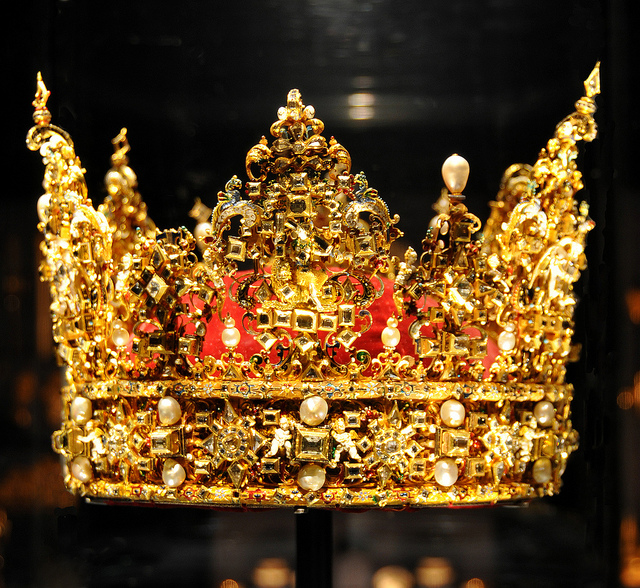
“The nations will see your vindication, and all kings your glory; you will be called by a new name that the mouth of the Lord will bestow. You will be a crown of splendor in the Lord’s hand, a royal diadem in the hand of your God. No longer will they call you Deserted, or name your land Desolate. But you will be called Hephzibah,and your land Beulah; for the Lord will take delight in you, and your land will be married. As a young man marries a young woman, so will your Builder marry you; as a bridegroom rejoices over his bride, so will your God rejoice over you” (Isaiah 62:2–5 NIV).
Photo credit: found on flickr by archer11.
We might feel uncomfortable applying the language of the prophet Isaiah to our lives, and men in particular might struggle to call themselves a royal diadem or the bride of Christ. But as CS Lewis said, God is so masculine that we are all feminine in response to him. And so male or female, we can ask God to reveal how his loving words from centuries ago can speak into our spirits and souls today.
Being a crown of splendor in the Lord’s hand makes me think of Jesus on the cross, wearing his crown of thorns. He who could take the place of the righteous king yet endured pain for our sakes. So that we too can be sons and daughters of the King, wearing a jewel-encrusted crown as bestowed by our heavenly Father.
No longer do we have to endure desolate lives of emptiness. For God reassures his people that he dwells with us and delights in us. He who has created us – the Builder – who has set our foundations into place, will rejoice over us even as a bridegroom on his wedding day.
Living out of the new self entails embracing our identity as the beloved. Our new name reflects joy, rejoicing, delight, and love. What name could you claim today?
For reflection: “‘Come, I will show you the bride, the wife of the Lamb’… It shone with the glory of God, and its brilliance was like that of a very precious jewel, like a jasper, clear as crystal” (Revelation 21:9, 11).
When pride comes, then comes disgrace, but with humility comes wisdom… Whoever derides their neighbour has no sense, but the one who has understanding holds their tongue. A gossip betrays a confidence, but a trustworthy person keeps a secret… A wicked person earns deceptive wages, but the one who sows righteousness reaps a sure reward. Truly the righteous attain life, but whoever pursues evil finds death… A generous person will prosper; whoever refreshes others will be refreshed… Whoever brings ruin on their family will inherit only wind, and the fool will be servant to the wise. (Proverbs 11:2, 12–13, 18–19, 25, 29)
“Tension” by erix! as found on flickr.
In this chapter of Proverbs the sage gives a contrasting picture between the wicked and the wise. The former fall into pride and disgrace, while the latter find refreshment and righteousness. Those who seek evil will experience ruin, deception, betrayal, and ultimately death. Whereas the righteous will be humble, prosperous, and will find life.
Reading these sayings of opposites can lead us to think that we are one or the other – wicked or wise. We can despair that we will always be beholden to our sin nature and we’ll never find victory over temptation or addictions. Or we can puff ourselves up, thinking with pride that we have this spiritual life sussed and conquered – we have arrived. Whereas the truth probably lies in the tension of the “already but not yet.” As Christians we’ve been redeemed by Jesus’ sacrifice but we’re not yet fully transformed. We still fall into sinful patterns of behaving. Yet as we live empowered by the Holy Spirit, we can enjoy more freedom and more grace to become increasingly like the righteous whom we see in these proverbs.
Humility; holding one’s tongue; wisdom; keeping confidences; sowing righteousness; pursuing life; displaying generosity; bringing refreshment… all characteristics of the new self. Why not join me in asking God to help us live out these qualities this day, this month, and this year?
Prayer: Triune God, I know that on my own I quickly fall into patterns of the old self. Come and live in and through me, that I might reveal your love, generosity and grace to those whom I meet.
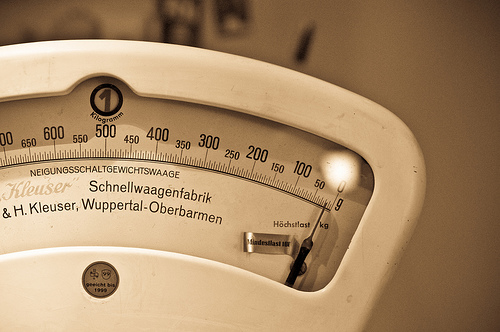
January strikes a cold note in the hearts of many. After the excesses of December with its celebrations and feasts, the new year dawns and we wonder if we’d rather just stay under the covers. We drag ourselves to what in an image-obsessed culture might be the ultimate reality check – the scale – and see what sort of havoc our overindulgence has wreaked. “It’s time for new resolutions!” we cry, horrified at the number appearing below us.Our biblical readings to start 2014 fit well with new beginnings, for we will examine the theme of our old and new selves – how at conversion we leave behind the old and embrace the new identity that is being formed in Christ. Of course, we could explore this theme at any time of the year, for the new birth is foundational to our lives as redeemed people. But looking at it now may help us to infuse any New Year’s resolutions with the riches of spiritual depth we find in the Bible. For as we shed the old self and put on the new, living empowered by the triune God, we are able to leave behind our former ways of life, perhaps those invaded by bitterness, anger, hurt or rage. When we put on our new self, our lives will show forth the fruits of the Spirit – love, joy, peace, patience, kindness, goodness, faithfulness, gentleness and self-control.
Our readings come from the Old Testament and the New, starting at the beginning in the Garden of Eden, where the choices of our first parents effected the need for a New Adam – namely Jesus Christ. We move through some of the prophets and see how they called the Israelites to have a new name and a new heart. Then we engage with Jesus and the teachings of the early church. The apostle Paul especially writes on the new birth and life that we can enjoy after we submit ourselves to God. He who was changed so radically on the road to Damascus writes with a passion and urgency that exceeds any bland New Year’s resolution. For if we put to death what used to cling to our earthly nature, we will move forward in the freedom of light and life.
Dead in Adam; alive in Christ
“You will not certainly die,” the serpent said to the woman. “For God knows that when you eat from it your eyes will be opened, and you will be like God, knowing good and evil.” When the woman saw that the fruit of the tree was good for food and pleasing to the eye, and also desirable for gaining wisdom, she took some and ate it. She also gave some to her husband, who was with her, and he ate it. Then the eyes of both of them were opened, and they realized they were naked. (Genesis 3:4–7, NIV)
Adam and Eve. Photo by Svetlana Byaka, as found on flikr
As I deliberated about where to start our thematic look at old self/new self, I realized the obvious, that our best jumping-off point is at the fall of humanity. For here in the Garden of Eden is where we first experienced the need for a new self. When Adam and Eve disobeyed God’s instructions, instead following the serpent’s tempting invitation to come and eat, they introduced sin into the world and into our hearts. No longer would we walk freely, without shame. Now men would be governed by the need to work and women would pine for their husbands.
But the triune God in his graciousness doesn’t leave us in the garden, hopeless and helpless. He covers their (and our) shame not only practically – with garments of skin – but spiritually through Jesus’ death on the cross. We are born fallen through the effects of our first parents’ disobedience, but we can be redeemed by the New Adam who was the perfect sacrifice. As the Apostle Paul said in his first letter to the Corinthians, “For as in Adam all die, so in Christ all will be made alive” (1 Corinthians 15:22).
We may be making resolutions as we’ve entered 2014. But true and lasting change comes through living in Christ. As he dwells in us through his Holy Spirit, he will help us to leave behind our sinful patterns of behavior and travel a more fruitful path of new life.
Prayer: Father, Son and Holy Spirit, we dedicate our lives in 2014 to your glory. Help us to shed the old and embrace the new. (We wouldn’t mind losing a few pounds/kilos too.)
Regular followers of this blog (love ya, Dad!) will note that I’ve been silent since Thanksgiving. Advent can be a shockingly busy time, which is ironic I know. Regular service here will resume in January, but here’s an Advent poem I recently came across, which I wrote in 1997. It’s admittedly on the twee side, but written with heartfelt devotion.
“…that at the name of Jesus every knee should bow, in heaven and on earth and under the earth, and every tongue acknowledge that Jesus Christ is Lord, to the glory of God the Father.” Philippians 2:10–11
As I looked around at the multicultural faces on London’s Tube recently, I stood in wonder for a moment at the great diversity of the people created by God. I noticed different colors of skin; some who were short and others tall; those who were old and those who were young; all at different stages of life. As I paused just before hearing that my desired station was closed because of a security alert, I breathed a prayer that this myriad of faces would one day reflect that of Jesus.
It’s mind-boggling to think that indeed, one day every knee will bow and every tongue proclaim that Jesus is Lord. We don’t know how God will bring about this proclamation; we aren’t the judge or arbiter for the souls of others. But we can do our part to spread the saving news of the gospel – that Jesus through his death and resurrection can make us free.
I’m generally not brave enough to speak to strangers on the Tube about Jesus, unless matters of faith come up naturally in conversation, but I do sometimes remember to pray for the people crammed into the carriages. And I’m gaining courage in sharing my faith with those in my community – at the school gate or among newcomers at church, for instance.
Jesus asks us to be his hands and feet. Whom might you meet this day?
Triune God, thank you for that Jesus came to earth to stand in our place. Help us and save us. Amen.
“Therefore God exalted him to the highest place and gave him the name that is above every name…” Philippians 2:9
A year or so ago, CutiePyeGirl uttered “Jesus” as the world often does (or in this case, some of the pupils at her school). My shocked and strong reaction communicated unreservedly that we as Christians prize the name of Jesus. She had parroted another, not understanding what she was saying. Perhaps I responded too strongly, but when I heard her even unknowingly take the Lord’s name in vain, I felt like I had been punched in the stomach. After our discussion, she understood why Jesus is the name above every other name.
Jesus humbled himself completely by following his Father’s will that he should die on a cross; he was then exalted to the highest place in heaven and earth. And this is why his name is so precious. We’re saved by it. There’s power in it. To the Christian, even its mention brings peace, succor, love, and release.
Often when I can’t fall asleep, I’ll sing the name of Jesus in my head. This silent prayer stills my inner turmoil and gives me a sense of peace. Or I’ll pray the Jesus prayer: “Lord Jesus Christ, Son of the living God, have mercy on me, a sinner.”
How will you use the name of Jesus today?
Lord Jesus Christ, may our lips always bring you glory and praise. Forgive us when we malign you. Amen.
“Who, being in very nature God,did not consider equality with God something to be used to his own advantage; rather, he made himself nothing by taking the very nature of a servant, being made in human likeness. And being found in appearance as a man, he humbled himself by becoming obedient to death—even death on a cross!” Philippians 2:6–8
I love this modern sculpture of the human Jesus, held by his mother. From a cathedral in Germany – wish I took better notes back then! Think it was in Dresden.
We have come to one of the most well-known and well-loved passages from Paul’s letters, the humiliation and exaltation of Christ. Over the centuries, scholars have debated whether Paul based this part of his letter on an hymn of the early church. We can’t be sure, but we know that Paul longs that the church at Philippi would die to their own agendas and squabbles so that they could have the same mindset as Christ.
As Paul sits in chains, probably wondering if he’ll be executed, he emphasizes to the church at Philippi the saving and freeing work of Jesus. Though Jesus was of the same nature as God – they were of the same divine substance – he humbled himself and became a man. That Jesus became fully human while still being fully God meant that he could become a bridge between us and God; he lowered himself so that we could have union with God.
We’ll never be able to humble ourselves as much as Jesus did. But because he emptied himself, as we grow in his likeness, we too can grow in humility and servanthood. Our old self, marked by pride and ambition, recedes in the background as we increasingly exude gentleness and humility.
Ponder the deep sacrifice Jesus made in taking human form.
Lord Jesus Christ, you emptied yourself so that I might be free. May I share this freedom with others. Amen.