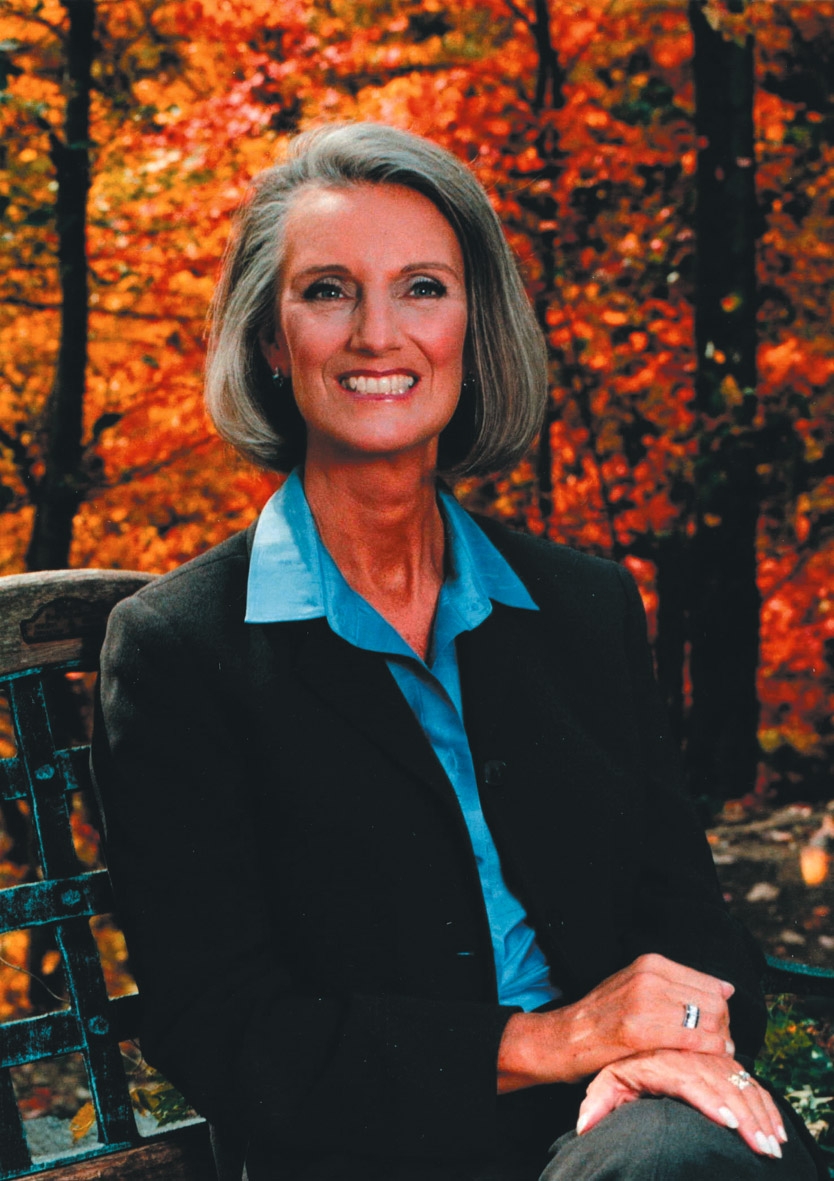
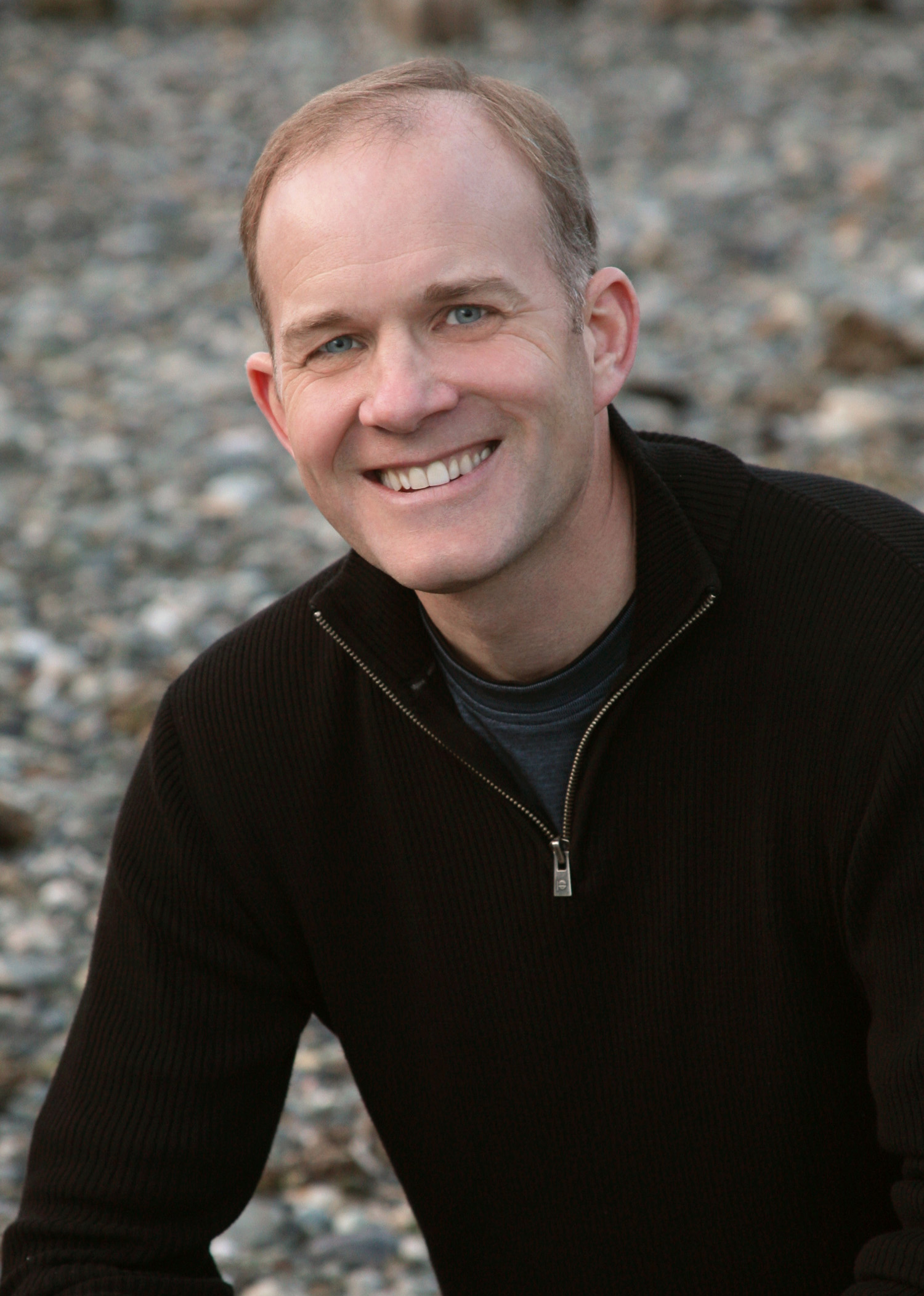
Gary Thomas is a bestselling author in Houston, Texas, where he is a Writer in Residence at Second Baptist Church. An avid runner who has completed eleven marathons, he is married and has three children.
I wrote Every Body Matters because I was struck by how often gluttony and sloth are addressed in the ancient devotional books, but rarely even mentioned from today’s pulpit. It’s also been a natural progression in my own walk with the Lord. As a young man, my metabolism and penchant for running hid a lot of food-based indulgence, but while it didn’t show physically, it was having spiritual consequences. The church should be in the forefront of addressing this issue, not struggling to catch up.
A man once came up to me and explained how his wife had decided to leave him. As she was packing up to move out the next day, she knocked over his copy of Sacred Marriage and saw the subtitle (What If God Designed Marriage to Make Us Holy More Than to Make Us Happy?). It intrigued her, so she started reading, then woke up her husband in the middle of the night and said she wanted to give it another try. The man had an 18-month-old girl and a 4-year-old boy. I was moved by how God could use a book subtitle, and a few chapters, to change the course of a marriage and to provide a more stable home life for these two kids.
I appreciate Francis De Sales for the way he makes spirituality so practical for laypeople; Brother Lawrence for renewing my desire to bask in God’s presence; Fenelon for his ability to communicate about the spiritual life; and Henry Drummond for applying his brilliant mind to unlock practical aspects of spiritual growth. Brother Lawrence’s Practicing the Presence of God is probably the easiest for people to read. I wrote Thirsting for God to introduce the writings of the Christian classics, so that’s another place to start.
I read some of my book’s reviews, because there are always things to learn, and because the reviews are usually encouraging more than discouraging. But then there are the crazy ones that seem so unfair—not that long ago, a man gave one of my books a poor rating saying, “I haven’t actually read it yet, but I flipped through it and I’m suspicious.” What’s the point of that? Some reviews point out blind spots (many said I’m harder on men in Sacred Marriage than women, which is true); others tell me more about the reviewer than anything else.
I love to read. I love to study. I love to write, and even re-write. And morning is my favorite time of the day. Put that together, and I can honestly say, though I’ve been actively writing/publishing for almost 20 years now, I have never suffered from significant “writer’s block.” Now, because of my duties as a teaching pastor, I don’t have all day to write like I used to; it’s compacted into a couple hours in the morning, but that’s enough if you’re faithful with it.
Susan Howatch is among my favorite novelists, though she isn’t writing too much these days. I lean toward literary fiction more than commercial fiction, but I also read a good bit of history. Because I’m an avid runner, I usually read a few running-related books every year as well.
“Sometimes what we see as rejection is, in truth, sacrificial love.”
An interview with bestselling author Francine Rivers, who shares her heart for God and love for her readers. (Appeared originally in the June 2014 issue of Woman Alive.)
I thought being born into a Christian family and raised in the faith made me a Christian. It didn’t. Each person makes their own choice, and it took me years to surrender to Jesus – not until after I’d gone through college, married, had children and started a writing career. My husband Rick and I went to church, but came away dissatisfied and knowing there must be something more. We both had personal issues that brought us close to divorce several times. As a child, I’d asked Jesus to be my Savior. What I didn’t understand is I needed to surrender my life to Him and allow Him to be Lord of my life as well.
Studying the Bible changed our lives. Our hearts and minds opened to Christ. Rick and I both accepted Jesus as Savior and Lord and were baptized in May 1986. Since then, God has been changing our lives from the inside out. The Lord also healed our marriage – we recently celebrated our forty-fourth wedding anniversary.
From the time I was a child, I knew I would be a writer. On a dare from Rick, I decided to write a combination of my favourite genres and wrote a “western-gothic-romance.” Romance novels were booming in the general market, publishers were on the look-out for new writers. My first manuscript sold and was published. I was hooked! I followed with eight or nine more of what I call my B.C. (before Christ) books. They are all now out of print, are never to be reprinted, and are not recommended.
When I turned my life over to Jesus, I couldn’t write for three years. I tried, but nothing worked. I struggled against God because writing was my “identity.” It took that period of suffering writer’s block to bring me to my senses. God was trying to open my eyes to how writing had become an idol in my life. It was the place I ran to escape, the one area of my life where I thought I was in complete control. My priorities were all wrong and needed to be put right. God first, husband and children second and third, work. My love for writing and reading novels waned and my passion for reading and studying God’s Word grew.
Every year I go on a “pray, plot and play” retreat. There are eleven of us, all professional writers, one of whom is retired, in her nineties and no longer able to make the trip to Idaho. She is a mighty prayer warrior who served with her husband as a missionary in India. She remains an inspiration to us all. Our group always starts our daily session with a devotional presented by one of the members. We sing hymns. I can carry a tune, but three of our ladies have beautiful voices and could go on the road as professionals. I love to listen to the harmony; it’s a sweet taste of heaven. Our roundtable discussions and “twenty-question” plotting sessions have produced numerous published novels. We laugh a lot; cry together. We’re in constant contact through the year and support and encourage one another. All of us have faced or are facing major challenges: cancer, death of a spouse, children struggling with addictions, contracts and publishers, adopting children, moving from one state to another, caring for aging parents, writer’s block, loss of job, moving into a new publishing arena (online direct). We pray and pull together. We encourage and build up one another’s faith through whatever trials this life throws at us. And we keep writing stories to glorify our Lord and Savior, Jesus Christ.
A few years back, while in a writing competition, I saw the effect of the awards on a dear friend. She was happy I had received the award, but she longed for affirmation for her work. This writer had published far more novels than I had and is a wonderful writer. Seeing how hurt she was crushed me. Hence, I decided not to compete again. Why do we do it? We are one in Christ, and I don’t want anything to come in the way of that. And I don’t believe there is any such thing as a “best book” (unless it’s the Bible). If a novel or nonfiction work changes someone, encourages them, or opens their hearts to Christ, that is their best book of the year whether it sold ten copies or a million.
I don’t read reviews if I can avoid them. Good ones tend to stir pride and the bad ones crush the spirit, neither of which is good for my faith walk. Reviews are one person’s opinion. God is the one we want to please. I’m one of those people who would love to please everyone, so it’s better if I keep my audience to One. All I can do is put heart and soul into my work and leave what happens with it to Him.
I hope the stories I write will increase readers’ hunger and thirst for Jesus, and the characters will inspire them to be more like Him. It’s so easy to follow the ways of the world, to get sucked into following the herd rather than be among the flock. I want to encourage readers to trust in the Lord always and to remember only His Word is truth.
In Bridge to Haven, I wanted to explore how people can be bridges. Jesus is the ultimate bridge that takes us across the chasm over hell and into heaven to be in the presence of God. Each character in the novel plays a part as a bridge builder or bridge destroyer. Sometimes the characters begin as one and become the other.
The story started as an allegory about the character of God and Jesus, but how can anyone capture the immensity of God, His all-consuming love and passion for each of us? I certainly couldn’t. His love is so immense, cleansing, healing, restorative. It’s beyond human understanding. I dumped my first attempt and started over. In this rendition, two of the main characters, Zeke and Joshua, strive to be like Jesus, and often fail. The protagonist Abra represents those who turn away from the love offered, looking in all the wrong places for what they had from the beginning. It is a leap of faith to believe God’s grace is not earned, but freely given.
The Golden Years of Hollywood seemed to fit the story better than other eras. Many of the stars people idolized had miserable lives and tragic ends. I think of Marilyn Monroe in particular, who spent her life searching for love. James Dean, another Hollywood icon, died at 24 in a fiery car crash. Hollywood reeked of scandal; affairs, broken marriages, suicide, fortunes made and lost. It was also a time when girls believed all they had to do was show up in Hollywood to have all their dreams come true. Abra’s dream is to be loved, to be someone of importance. The challenge for me was interweaving the characters through World War II, the Korean War into the Cold War as well as a time of prosperity and showing how what happens in the world also impacts how we think, act and live. Only He is unchanging. Truth love and peace can’t be found anywhere else but in Him – in any era.
Children are deeply affected by early trauma. Abra focuses on the facts, believing she has been rejected by the only father she knew. She retaliates by rejecting him as well as the God he loves and serves. The seeds of bitterness and rebellion are planted at five, and Abra only sees through the eyes of a hurt child. This happens so often in life. What we see is only the surface. This was a theme in my two previous novels, Her Mother’s Hope and Her Daughter’s Dream. Sometimes what we see as rejection is, in truth, sacrificial love. It takes growing up and God’s intervention to bring truth, and for some that journey takes years and even deeper heartache before we fall to our knees and seek God’s perspective.
I was like Abra for many years. Despite the truth I was taught as a child, I took hold of a wrong view of God as a constant critical eye, a Being just waiting to condemn me to everlasting hell. When I turned to God, I felt like Paul when the scales fell away from his eyes. In a sense, I awakened and knew God loved me despite everything I had done and mistakenly believed. My stubborn pride had to be broken. There were always people around me who loved me and pointed the way to Jesus. That is true of everyone. God makes ambassadors and scatters them everywhere. When we open our hearts, usually out of desperation, God pours in His Holy Spirit and opens our eyes and ears to who He is and to those He has called to help us cross that bridge of faith God uses.
Before I started writing Redeeming Love, when I was still rather new at loving God with my whole heart, I got the idea to start using what I called a God Box – an inbox for God. I would write out prayers and put the papers into the God Box. This practice helped me to let go of the issues, to put them into God’s hands by physically putting them into the box. Every few months I would read the papers and marvel at how God had answered the prayers, often in unexpected ways.
What amazing things are our five grandchildren doing? Growing up! We have one grandson learning to drive and talking about joining the Air Force, another playing secondary-school basketball and winning spelling bees, and the youngest getting ready to enter kindergarten. One fourteen-year-old granddaughter is becoming a poised young woman and our eight-year-old granddaughter is one of two girls on a Christian basketball team and excelling in school. They’re all busy and happy and making their parents and grandparents proud (in a good way). The whole family was together at our place for Christmas Eve and the house was rocking!
“Trust in the Lord with all your heart; lean not on your own understanding. Acknowledge Him in all your ways, and He will make your path straight” (Proverbs 3:5-6). These are the Scriptures I go back to over and over again. The prince of the air has free run of this world, and he is the father of lies. Satan hates God and attacks Him by wounding and destroying His children. Even so, God reigns. Only God can take the worst we experience or bring on ourselves and use it to His good purpose in drawing us closer to Him as well as offering a light to others.
For me, trust has always been difficult. I trust and then I worry (doubt) and then, by submission and prayer, trust again. Our work is to believe and walk in faith one day at a time. And that is hard work at times. Some of us have to learn the hard way that life in this world is too painful to live any other way. Only in Christ do we have peace and a love that fills us up so much that we have a wellspring to pour out to others.
God gives me strength and stamina every day. Over the recent months, my husband has had two bouts of pneumonia by aspiration; it’s exactly what my daddy has had. Danny is out of the hospital now, but has home healthcare and a team of friends to help. I don’t feel rested or refreshed, but I’m in good health. And God gives me droplets of blessings; words from his Word.
This has made me think of Moses asking to see God’s glory (in Exodus 33). God puts him in the crest of the rock and has his hand on him. And then God removes his hand. So in a very hard place, Moses feels abandoned. And then God passes by, but Moses only sees the backside of it.
God has put me in a hard place, and at times I don’t feel his presence at all, but I can look back on yesterday, or last week, or the hospitalization – the two months Danny was in hospital and rehabilitation – and I can see how God has brought us the right doctors and nurses, and how he’s taught me so much. Like Moses I see God’s character and his faithfulness; his goodness and strength. Faith doesn’t go on feelings; faith is rooted in the word of God.
I didn’t intend to write Woundedby God’s Peopleso personally. When I finished The Magnificent Obsession, which is my book on Abraham, the story of Hagar stayed with me. And so I went back and did a Bible study on it, and felt impressed that God wanted me to write on Hagar. I ended up taking four years to write it, going deeper and deeper in my understanding not only of being wounded but being a wounder.
While I was writing, I was deeply wounded. I waited for about two months to do an act of kindness, because I was so stunned by the wounding. But God clearly popped something very precious into my mind that I could do for her. About a month later I received a perfunctory note on her business letterhead, in which she barely thanked me. But I knew that my act had set me free – I can still be surprised at what she did, but the pain is gone and I live in my forgiveness.
If you don’t deal with your sin, then you cover it up; you keep blaming; you build a wall. And that’s something I’ve seen since I’ve written Wounded: very few people have the courage to look at themselves and see when it’s their fault. We’re so self-deceived and have such a positive image of ourselves! Some might pray for the Lord to show them their spiritual blindspots, but they do so with one eye squeezed shut while rationalizing their actions.
I want to learn from people backpedalling and defending themselves, for I want to be wide open and honest before the Lord, so that when I’ve hurt someone I can see it and know it and do my best to set it right.
If you told me during my year of exile, when I wasn’t attending church, that I had to go back to church, I would have bucked. I wasn’t ready. But when the time was right, my husband and I went back, and it’s been a blessing. There’s a time we need to get out and catch our breath and get a good perspective, but when God sends us back, then we say, “Yes Sir.” Maybe not to the same congregation, but we can be obstinate in our exile if we ignore God’s prompts.
Pastors and people on staff at church have been devastated by those in their congregations. It’s not just people in the pew. I don’t know what in the world we’re thinking when we treat each other like this – it’s heart-breaking to hear the stories. But I know God can use it. And I know what he’s taught me in the story of Hagar. We can get free of the bitterness, and from being bogged down in the mire of resentment and anger and all those imaginary conversations.
One of my friends read Wounded after she caught her husband having an affair. They were working things through in counselling when she asked me whether she had to offer the woman forgiveness. I said no, there are boundaries. You can forgive him – and living with a man who betrayed her, her days are filled with acts of kindness – but not to approach the woman, for she hadn’t acknowledged her wickedness and was still trying to seduce the husband.
Jesus offers us forgiveness of every and any sin, but we have to confess our sins, saying the same thing about them that he does – we have to be brutally honest. Then we’re forgiven of all that sin and unrighteousness. But there’s only so much he can do when we’re rationalizing and defending. You’re not going to have an intimate relationship with a holy God as long as you’re excusing your sin. The same thing is true with another person.
Women speaking and praying in church? I make an application from John 20, John and Peter at the empty tomb. You can hear their sandals running out of the garden when Mary Magdalene comes along. She’s weeping and the angel says that Jesus isn’t here, and then she sees a gardener who calls her by name. And it’s Jesus. But Jesus was there all along; he withheld himself from Simon and John, revealing himself first to Mary and then the other women. He instructs Mary to tell the disciples what she’s seen and heard. He wants the women to share their testimony, their encounter with the risen Christ, giving his disciples the instructions to meet him in Galilee. His disciples are a group of men behind locked doors in Jerusalem. Mary goes right back to tell them, but they think she’s a hysterical woman. So they postpone God’s blessing in their lives.
Jesus makes a poignant lesson that the church seems to have missed – that women can be disciples; that he reveals himself to them in fresh and significant ways; that he himself commissions them to share not only their testimony but also his word. But we have to be careful to let God give us a ministry and not try to make one for ourselves because we want the position or prestige.
Books I love? Joel Rosenberg’s novels.He’s a converted Jew who writes biblical prophecy in novel form and then it comes true! One of his latest is The Damascus Countdown. He teaches us about the Shiites and Sunnis and the Muslim culture. Another is Tom Doyle, Dreams and Visions. Every chapter tells a different story of a Muslim to whom Jesus just shows up. It seems to be the untold story of tremendous revival in the Middle East. Another is The Forgotten Blessing by a Jewish rabbi who is now a believer, Aaron Fruh, about the blessing that fathers give their children and wives. I know people who put it into practice and what a difference it makes in the home. And I love Davis Bunn’s novels. One of the best was Lion of Babylon. I wrote him to thank him for it, and he wrote back and said, “Anne, did you see it was dedicated to you?” I said no! I had seen an early manuscript, so I bought a copy and there it was! I was very moved by that.
My interview with the well-known Bible teacher appeared first in Woman Alive in April. With thanks to my friends there for permission to include on my blog.
I’m just back from two days at a Christian publishing industry retreat. Two days of meeting up with people I’ve known a long time, and also seeing in real life many friends whom I enjoy chatting with online. The gathering is unique, bringing together booksellers, book, music and video publishers, suppliers of gifts/cards/T-shirts/churchy things/etc/etc, authors and others from the Christian industry in the UK.
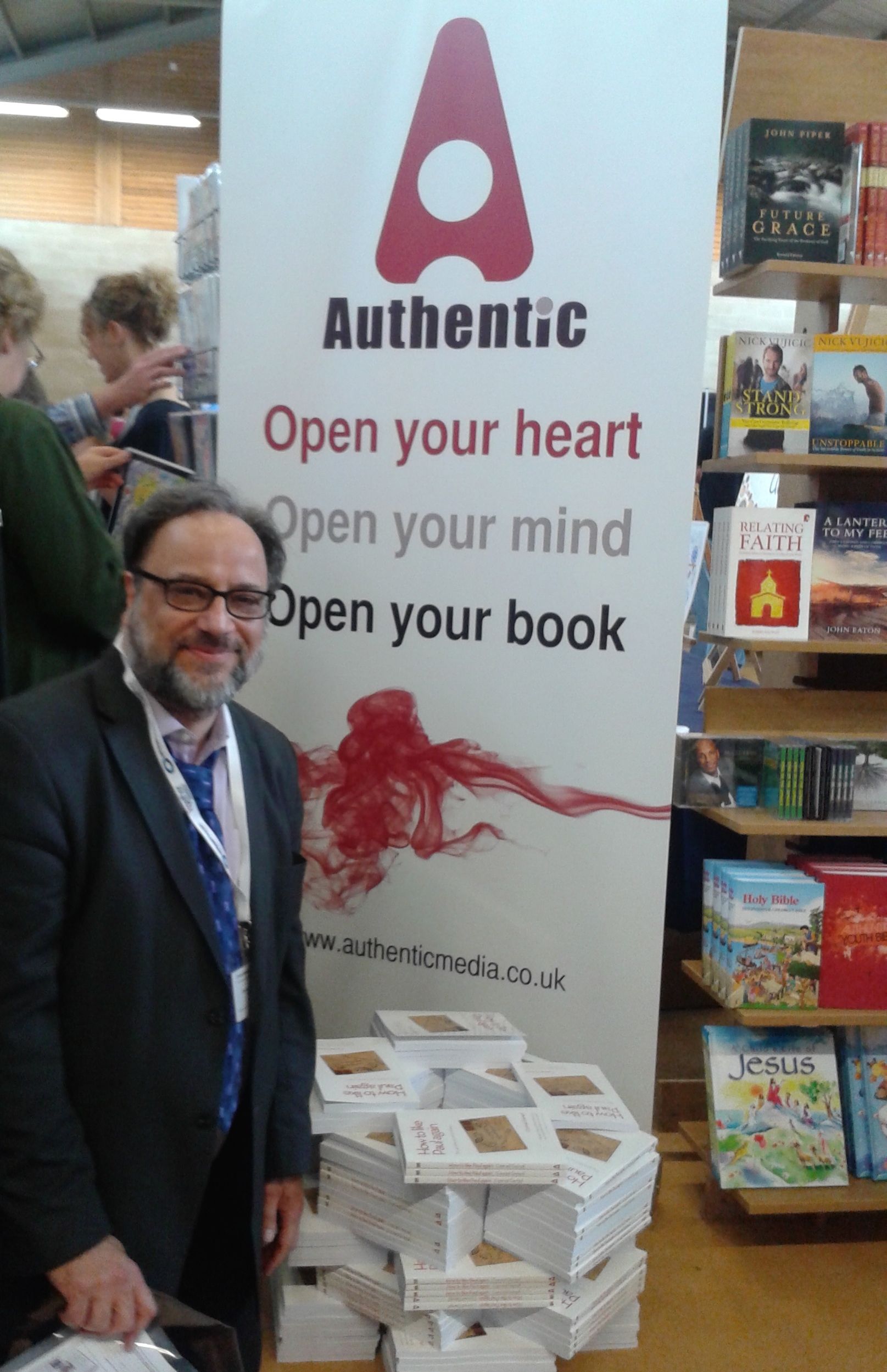
Conrad Gempf, ready to give out the 200 copies of his book.
The talks were inspirational. The three were all given, interestingly, by men from the former colonies – two from America and one from Australia. Conrad Gempf and Bob Hartman could hardly believe the parallels between their talks – they mentioned how they both are from roughly the same part of the world (New Jersey and Pennsylvania), they both had German fathers who raised them with delicacies such as liverwurst and mustard sandwiches, both their German fathers loved Studebakers, and both Conrad and Bob chose the same passage to speak on – Philippians 2! Amazing synergy, divinely inspired, I reckon. (Family commitments meant I missed the last talk by Sheridan Voysey, but I did get to hear him step in for Adrian Plass with his excellent seminar sharing pointers on how authors can spread the word about their books.)
What did I learn? What was affirmed?
The Christian publishing industry isn’t dead.
It may feel battered, and changes abound, especially with Trust Media folding last month, but booksellers are selling, publishers are publishing, authors are writing, musicians are making music, and other distributors are distributing.
Booksellers are passionate.
The couple who won the longserving award – 38 years – seemed to ooze humility. The dedication and creativity of people like them is what keeps bookshops alive. (And of course, us using bookstores!)
Books change lives.
Several times throughout the retreat I heard stories of people’s lives changing when they were given a book. New life in Christ; new hope. One moving story of just the right book purchased before a diagnosis of terminal illness (it’s not my story to share, but my word, what a story).
Creators need to keep creating.
We need great stories, fresh worship songs, moving memoir, thoughtful biblical helps. No longer are we in a world where creators cannot be involved with the marketing of their books. One way to spread the word is through this retreat, and indeed, authors were represented there through the Association of Christian Writers, of which I’m a member. I only wish more ACW members and other authors were able to attend – where else can authors have such unfettered access to industry professionals?
I learned some other things too… Such as how to engage the audience by master speakers Conrad and Bob (not, of course, that I can replicate!).
That we need to keep encouraging female speakers, even if that means positive discrimination, following the good example of Youthwork, who turn down some great blokes so that they can have women and men equally represented on the platform.
That I never will like a full English breakfast.
Do you attend industry events? If so, what do you gain from them? If not, why?
Want to know why I write? Last week I explored those questions while continuing the Monday Blog Tour, which you can find on Anita Mathias’ blog. This week I’m hosting Cathy Le Feuvre. She’s one of “my” authors, for as you’ll read below, I’ve just commissioned her and Debbie Duncan to write a book, Life Lines, for Authentic Media. It’s a fab fictionalized account of two friends doing life together, of which Michele Guinness says, “Embedded in this wry, witty and revealingly frank correspondence is many a buried gem of wisdom on the basic, gritty issues of life that make us laugh and make us cry, and that we survive by sharing.” Look for it this autumn!
And now, over to Cathy.
Thanks to Amy for nominating me for the Monday Blog Tour. It’s been great getting to know Amy these past few months, since we first met in her home in North London over lunch and a very long chat. Amy is the editor for my latest book, which I’m co-authoring with Debbie Duncan…but more of that later!
As with the other Monday blog hoppers before me, I’ve been presented with a series of questions to answer. Just between us, this is a little strange for me. I’ve been a journalist for thirty odd years, off and on, so I’m usually the one asking the questions.
However … here goes!
What I am working on?
Right now? I’m researching and writing a new book for Lion Hudson publishers which is due to be completed by early autumn and is scheduled for publication next spring. It means I’m spending half my time in Victorian England.
It feels really strange seeing those words in print – ‘I’m researching and writing a book’ – because I think ever since I can remember I’ve had stories in my head and have been telling stories – to my teddies, my dollies, school mates in the dorm (I went to boarding school) and then various nieces, nephews, godchildren and anyone else who would listen. Ever since I can remember I’ve yearned to be a ‘writer’, an ‘author’, but secretly I was always a little scared to take that leap of faith. Although I don’t consider myself a natural crowd pleaser, I suppose I was always worried about whether I would cut the mustard. What would people think of my writing, my ‘ambition’? Would people think me arrogant? If I made my ‘dream life’ a reality would it all come crashing down? And then where would I be?
So, I became a journalist! Local newspapers, local radio then news and current affairs reporting and presenting in regional television and a career as a producer in network TV where I worked mostly in ‘religious’ broadcasting. Finally I found myself in PR and working for The Salvation Army UK church and charity organization – The Salvation Army also happens to be my church of choice. I was Head of Media in charge of a press office, reputation management and so much more.
I was writing. Every day. I wrote news stories and reports and TV and radio scripts. I wrote press releases and official business reports. I helped others to write. I learned to write with purpose. And in my ‘spare time’ I still scribbled my stories and poems, and scripts for church plays and presentations, and started and sometimes completed numerous stories, novels and books. I was shortlisted in a national Children’s Short Story competition and began to think “maybe I CAN DO THIS!”
To cut a long story short, finally, five years ago I took a deep breath and stepped out in faith and quit my full-time job. Within months of going freelance, I was commissioned by Lion Hudson publishers to produce a book about The Salvation Army in advance of the Christian movement’s 150th anniversary next year – 2015. I said ‘Yes!” Obviously.
Of course, I still work in PR, journalism, broadcasting and training to pay the bills but the creative writing has developed beyond my wildest dreams even if it doesn’t yet pay much. I’m learning to live on trust. Sometimes it’s touch-and-go at the end of the month, but God has been good. More writing projects/books are coming in and doors have opened for some paid work which keeps me afloat, is extraordinary interesting and has introduced me to new friends and opportunities. There’s a passage from the Bible which has popped up time and again over the past years and I live with the words in my heart – ‘For I know the plans I have for you,’ declares the Lord, ‘plans to prosper you and not to harm you, plans to give you hope and a future.’ (Jeremiah Ch 29 v 11 NIV)
In September 2013 my first book was published. William and Catherine, the love story of the founders of The Salvation Army told through their letters (Monarch books).
The second book is on the horizon. This autumn Debbie (Deborah) Duncan and I will publish a book called Life Lines – which is basically an online/email ‘conversation’ between two fictional friends, both Christians, both of a ‘certain age’, one married with family, one single. This started out as a fun project based on conversations Debbie and I had while commuting together into London. We live near each other at the moment so when travelling into work we often shared a vehicle to the station and took the train together into the city. We swapped life stories and laughed so much we decided to write something down in the form of a fictional story of friendship. And, thanks to Authentic Publishers and the magnificent Amy Boucher Pye we have a book which, we hope, will make people laugh but will also provide moments of reflection as we all think about why we do what we do, as Christians, women, and friends. Life Lines has been great fun to write and we’re very excited about its upcoming publication.
As I said at the start of this question, I’m currently researching and writing my next book for Lion. It’s the story of a scandalous and intriguing court case in Victorian England – a court case which highlighted an evil of the times and ultimately helped to change the course of history. It means I’m spending a good deal of my time in Victorian England and the Old Bailey. Fascinating!
Why do I write what I do?
WHY do I write? Because it’s my living and my passion. Simple!
I write every day – either for magazines (articles) or clients (ghost writing/press and media/reports/social media). I have also thoroughly enjoyed writing devotional material – Bible Reading Notes – for Scripture Union’s Closer to God series over the past three years which has also encouraged me to delve more deeply myself into God’s word.
Over the past three years I’ve also learned to build basic websites and I write (sometimes rather intermittently) on my own website and blog and daily on my own social media networks (various Facebook sites, and Twitter @CathyLeFeuvre). I also write articles for various online sites, like Hub Pages, which is good fun and keeps my tight writing skills up to spec.
How does my work differ from others in its genre?
The publication of William and Catherine was very special for this first-time author. Experiencing my first book launch last September, seeing my book in bookshops, and featured on online sales sites like Amazon, attending promotional events and actually signing copies and running events/evenings/afternoons where I talk about the Booths and how the book came about is a great honour. Next weekend (Sat May 31st – 10am) I’ll be speaking at the Bloxham Festival of Faith and Literature. What a buzz!
The fact that I’ve been first commissioned to write ‘serious’ historical-based narratives is great for me because it’s well within my skillset as a journalist. I love to research! I’m current loving my digging around into life in the under-belly of Victorian society!
But even with my ‘serious’ work I aim to make it ‘user friendly’ and to incorporate my creative writing skills whenever possible. William and Catherine is a biography of the founders of The Salvation Army, William and Catherine Booth. But the word ‘biography’ sometimes puts people off reading, so I wanted to come at it from a different perspective. I leave the very serious, theological stuff to others more learned than myself. As the full title of the book implies, I used the personal letters of William and Catherine Booth to build their story. The letters are held in trust in the British Library and I loved spending time in the library in London pouring over the hand-written notes and letters which they exchanged over nearly 40 years, from their first meeting until Catherine’s death in 1890. What a privilege to read their inner-most thoughts and to experience something of the deep love they shared for God and each other over a lifetime.
Alongside edited extracts from the Booth letters I also included historical narrative – explaining their lives and times, the background to what they are saying in the letters. But, in addition, I included ‘creative’ cameos, little stories in which I attempted to draw the reader into the Booth’s world. Many of these stories included information I’d gleaned through research, except it was presented from either William and Catherine’s or other perspectives. People have been kind enough to say that William and Catherine has helped them to get to know the founders of this great international Christian movement, which today impacts millions of lives across the world, as ‘real’ human beings. That’s what I wanted and I’m aiming for my next Lion book to incorporate similar elements – extracts from contemporaneous documents, historical narrative and explanation and ‘creative stories’ to help transport my readers back to 1885 and Victorian London.
I’m also still writing creative stories although finding time can be a challenge. I have a couple of full length children’s stories which I hope one day will also be out there in the world. Re-writing is a big thing with me and these are being re-written quite a lot at the moment! And, of course, there is Life Lines.
I don’t really have a master plan on what type of books/writing I want to be ‘known’ for but I don’t particularly want to get ‘pigeon-holed’. I know some ‘experts’ say one should become known for one particular ‘genre’ but now I’ve started (almost) full time writing I find the ideas come thick and fast and the opportunities for different kinds of writing just keep opening up. Those stories which have always been inside my head are now being allowed to have lives of their own.
How does my writing process work?
Sometimes I’m rather tied up with working for clients as part of the ‘day job’ but I always try to write something ‘creative’ every day even if it’s just some notes on my latest project or an online piece. I do try to ‘timetable’ my activities, to ensure that all essential work is completed on time. I even have a whiteboard! But ultimately when there’s a deadline looming or the creative juices are flowing I can, like most writers, spend many hours in front of the computer, with the obligatory short breaks. I think my longest stint was 18 hours before I had to lie down for a bit.
I work mostly from home and have my ‘office’ in my little ‘Spare ‘Oom’. It’s not always as tidy as I’d like it to be, especially when I have all my research laid out on the spare bed, so sometimes I set up on the kitchen table, from where I have a good window view to the gardens below. When I have a writing project to complete, I try not to get too distracted by squirrels, birds, social media and emails. I heard recently from an eminent pastor and theologian that one is 20% less efficient when ‘multi-tasking’ and certainly when completing William and Catherine I learned to switch off my email. Thus I avoided being suddenly distracted by an in-coming ‘ping’ on my computer which alerted me to a message and sucked the next hour out of my life when I should have been working. I check emails during ‘breaks’ and, as I learned to do during my fulltime journalism days, I try to prioritise my responses. However, I do sometimes listen online to music and to the radio (my ‘home station’ BBC Jersey is my favoured station of choice, along with BBC Radio 4) especially when I’m researching.
By Waddington. Reproduced by permission.
I find being outside helps to clear my thoughts … The rhythm of walking somehow helps me to sort out any writing issues. While stepping out I find I can see more clearly where the structure of my story needs to go or how a character might want to speak to my reader.
When working on a big writing project, I often find myself stopping to chat to God…I guess it’s praying…especially when the words won’t come or I get myself into a fix. When I was a child The Chronicles of Narnia were among my favourite books. You might have picked that up from the ‘Spare ‘Oom’ reference (Mr Tumnus/The Lion, the Witch and the Wardrobe). CS Lewis is one of my favourite writers. Many years ago I became aware of a quote attributed to him – “The world does not need more Christian literature. What it needs is more Christians writing good literature” – and this has lived with me and is part of my motivation. Not all my writing is ‘overtly Christian’ but I very much see my writing and would-be creativity as part of my faith life and I give it to God every day, for him to use.
So that’s me. Now, to continue the blog tour, of course I nominate my fabulous friend and writing partner Debbie Duncan.
Recently a vicar (no, not that vicar) asked me to contribute a sermon on proclaiming the gospel message through writing. Happy to be asked, I said yes. Then I wondered whichever passage I would preach on. “Of the making of books there is no end”? Jeremiah’s “Eat this scroll”? My husband suggested looking at Colossians, for Paul never visited that church but ministered through the written word.
Photo: Written in Gold, Flickr
I remained stuck, asking God for direction. That leading came through Facebook, for when I posed the question on my wall and in a Christian writer’s group, I received enough responses to write a book: Habakkuk 2:2: “Write the vision.” Or John 1, “In the beginning was the Word…” Or Psalm 45:1: “My tongue is the pen of a ready writer.” All rich with possibility, but the passage I settled on was Luke 1:1-4 as suggested by a writer who said it makes “clear that the words are written to communicate Christ to the reader.”
Do you remember that bit at the beginning of the gospel? Luke uses it to tell Theophilus why he’s writing, but he’s also employing a literary convention that historians such as Josephus used to prove their authenticity and merit. So too Luke says that although “many have undertaken to draw up an account,” yet he “too decided to write an orderly account.” Why? Because “I myself have carefully investigated everything from the beginning.” He’s not implying that the earlier accounts were hopeless and thus he needs to pen his own. Rather he wants to build on and enlarge their work through his careful research and eyewitness interviews. Primarily, he wants to reassure Theophilus: “So that you may know the certainty of the things you have been taught.”
Encouragement for us to write too, don’t you think? Of course we won’t be creating Holy Writ. But if we are writing an historical account, for instance, we can follow Luke’s example of careful documentation to produce a trustworthy account. We can share his passion to tell the stories of God transforming lives. We can encourage our readers in the foundations of their faith.
As I looked out on the congregation, clustered at the back in a cavernous and chilly Anglican church, I prayed that my words might spark some interest in the gift and discipline of writing. Conscious that many might not see themselves as writers, I emphasized the numerous ways we can write today, such through letters, emails, texts, social-networking sites, blogs. As we communicate, we can be a transformative presence. For instance, deciding never to act out a conflict over email. Or posting a handwritten letter as a surprise. Or texting a Scripture to encourage.
I spoke about other places to write without seeking publication, such as keeping a prayer journal, which could become a treasured record of God’s working in our lives. Or documenting our family history. Or creating poems as a meaningful gift. And I spoke about writing for publication, such as letters to the editor, features in the local newspaper, writing for a charitable organization. And columns, articles, stories, Bible reading notes, books… the places where we can write are many.
Did my words accomplish what I hoped as I unpacked one short passage in Scripture? Only God knows. I felt slightly disheartened as I glimpsed some frozen faces in the congregation. But God’s breath can bring life and warmth into even a cold church on a rainy day. And just as I don’t know the true effect of that sermon, neither do we of our written words. We ask God for the seeds to sow, and with his strength we fling them as far and wide as we’re able. Then we ask him to provide rain, sunshine, and protection from hungry birds or constricting weeds.
May the Lord refill our stock of seed, that we may help to produce a harvest of righteousness.
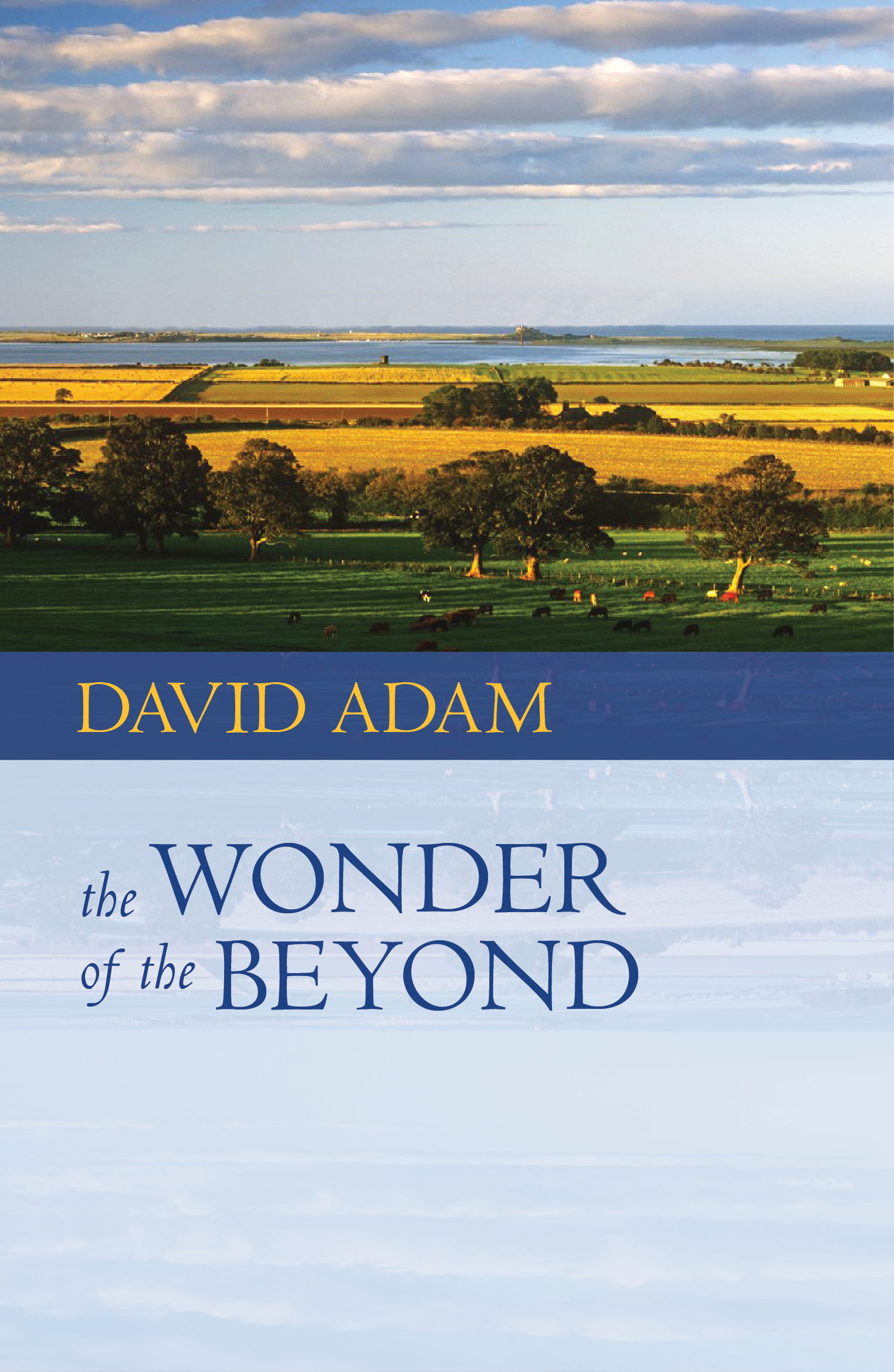
Recently I became submerged in the writings of David Adam. A Church of England clergyman, he was for many years vicar on the Holy Island of Lindisfarne. Inspired by the Celtic people of Britain and Ireland, he writes poems, prayers, and reflections on the triune God who is with us.
One of the things that struck me most about his writing is his emphasis on wonder. As we open our eyes to creation and those around us, we live in the moment and learn to experience God’s presence. For as he says in The Wonder of the Beyond, “God is here, God is with us, and above all, God is.” And yet, so often we find ourselves preoccupied, caught up in this or that as we flit from one thing to another – to our detriment. The result, as he says in The Path of Life, affects the whole of our lives: “A short attention span makes for shallow relationships, for poor perception and reception. This is as true with God as it is with each other.”
The two books I’ve chosen are a good place to start with his writings. In The Wonder of the Beyond he tells stories from his life, from working in a coal mine at the age of fifteen, to his decision to become a vicar, to his whirlwind romance with this wife (they met and married within a week). But he recounts his stories for the purpose of waking up the reader to “a wonder-full world” – to the world that hosts the glory of God in our midst. He challenges us to really see the people and objects of creation in front of us – to give them our undivided attention. Then through creation and others we will see God.
The Path of Life is a series of meditations on prayers from the Celtic tradition, and is thus helpful in personal and corporate prayer. Recently I used his meditations on Rune Before Prayer (rune meaning poem) during a retreat as a focusing prayer. I love how he meditates on each member of the Trinity and their unique attributes, bringing them alive to us.
In closing, a quotation from The Path of Life to ponder: “If you are insensitive to the things that are around you, how can you hope to be sensitive to the unseen God?”
The Wonder of the Beyond (SPCK, ISBN 978-0281063307)
The Path of Life (SPCK, ISBN978-0281060702)
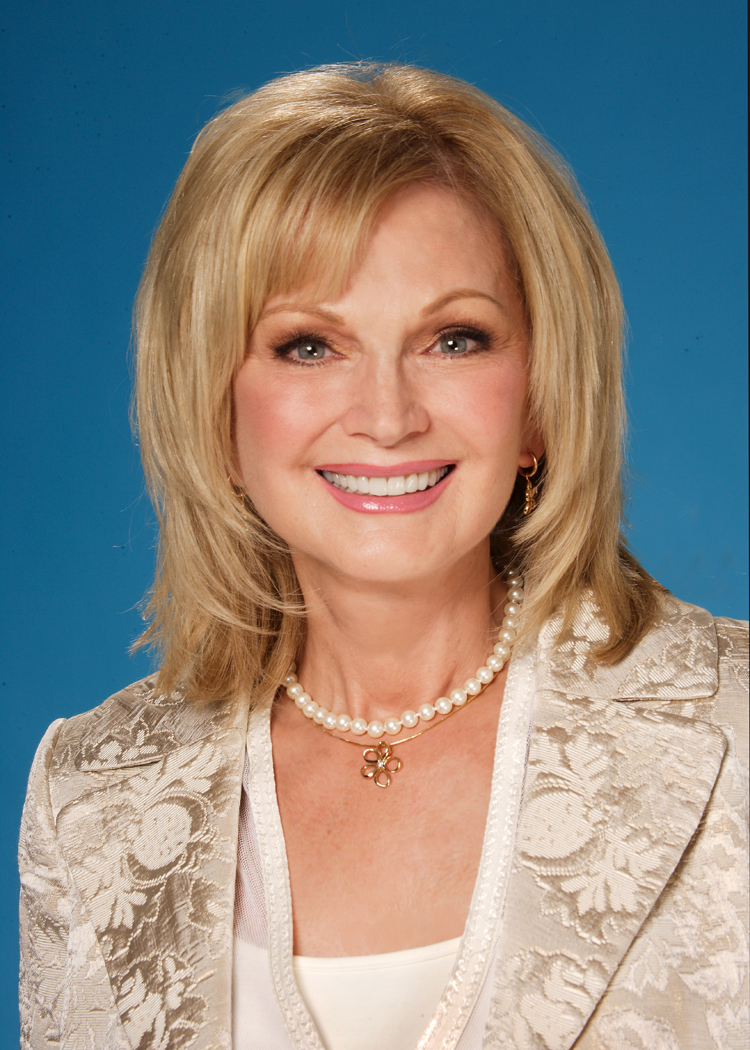
A rerelease from Woman Alive, when I caught up with best-selling author Stormie Ormartian, who has impacted millions with her The Power of Praying books. Books have been profoundly important for her too…
Amy: I understand that three books were vital to your conversion, including the Gospel of John. What were they and how did they help set you free?
Stormie Ormartian: The pastor who led me to the Lord knew which books I should read because they contained exactly what I needed to understand in order for my heart to be opened to the truth. He gave me the Gospel of John in a small book form which told me everything I needed to know as to who Jesus is and what He did for me and why I needed Him.
The second book was The Screwtape Letters by C.S. Lewis, about the reality of evil and the enemy’s plan for our lives. It, too, was exactly what I need to read because I was involved with occult practices and new age religions that denied the reality of evil.
The third book was on the Holy Spirit, and that book was discontinued around the same time that I received the Lord. I know this because I gave my copy to a friend when she couldn’t find it in the stores and they told her it was no longer available. I don’t recall the name of the book, but having no prior knowledge or understanding of the Holy Spirit, it was eye opening for me to know that when I received Jesus the Holy Spirit would come to dwell in me and change me from the inside out. I wrote my book Lead Me, Holy Spirit on that very subject because I could not find one that talked specifically about how the Holy Spirit leads and transforms us. When I read those three books I had never heard any of that before and I knew what I was reading was the truth.
After I read the books, my pastor asked me if I wanted to receive Jesus and I told him yes. Right away, I noticed a difference in my life. I had a feeling of peace, of being accepted, of being cleansed from all my past failure, of starting over with a clean slate. And I felt love, joy, and hope for the first time. I also had a growing sense of purpose, and I began to see a future for my life. As I grew in God’s Word, I learned to walk in His way. I became better able to make right choices. And with the Holy Spirit’s leading and enablement, I could resist falling back into old habits of doing things that were not God’s will for my life. As I moved into the deliverance and freedom He had for me, I gradually became free from depression, anxiety, and fear.
Amy:The Power of a Praying Wife has been a bestseller for ten amazing years. How was the experience of writing that book? Did you ever think it would make such an impact for God’s glory?
Stormie: I never dreamed when I was writing The Power of a Praying Wife that it would have the impact, sales, longevity, and life-transforming effect that it has had. Talk about the Lord having more for us than we can even think or imagine. I never imagined all this. When the book went number one on the bestseller list I called the president of Harvest House Publishing to thank him for all the hard work the company had done to make that happen and he immediately said, “We didn’t make that happen. No one can. Only God can do that.”
It was a hard book to write because I had to share details about my marriage that I didn’t know if my husband was going to agree to. When he read it he asked me if I had to include the part about his anger. I said yes because that was the biggest issue in our marriage. I couldn’t pretend that it wasn’t. I was not writing a book about how to make a perfect marriage more perfect. Where would my credibility be if I left out the greatest struggle we had. And to his credit he willingly gave the okay to leave everything in as I wrote it.
What amazed me about the book was although I knew that this way of praying worked for me, I was concerned about whether it would work for other women. That’s because it is a sacrifice on the wife’s part and I wasn’t certain that many women would be willing to make that sacrifice. But I was thrilled to see how they took to it immediately and were so willing to do whatever it took to make their marriages better and lasting. I thank God for all those precious women.
Amy: I’m assuming your painful childhood wasn’t conducive to much reading; is that right? Do you have any childhood favorites in terms of books, or those you read to your children?
Stormie: I don’t remember being read to much as a young child, except for the Cinderella story. But when I started school I was extremely eager to learn how to read. And once I could read books on my own I never stopped reading every book I could get my hands on. My favorites were fairy tales, which I read one after another. I loved them. I lived in them. In fact, fiction became my way of escape from the sadness of my life, even on into adult years. After I came to the Lord, all I wanted was the truth. So I read only non-fiction from then on and started writing non-fiction books as well.
I read to my children from the time they could sit up on my lap and be interested in the pictures. I read them every book I thought was appropriate for their age. Two of their favorites were The Little Engine that Could and Winnie the Pooh as well as little Bible stories that were just right for their ages. I read to them nearly every day of their childhood and they would always pick the books they wanted to hear. After they were skilled enough to read on their own they would have a quiet time with their books, reading some of them over and over again.
Amy: Have you ever considered writing fiction?
Stormie: I have been asked to write fiction from different companies and I haven’t done it yet because I have had so many non-fiction books on my heart that I had to get them written first. And I do love writing dialogue and description and telling a story. But I also love true stories like I wrote in The Miracle of Christmas about the birth of Christ. I have been praying about writing fiction in the future, so I am curious to see how the Lord leads me on this.
Amy: Imagine you’re going on an upcoming journey and your only activity can be reading. What books would you read?
Stormie: I don’t have to do much imagining about that because I am leaving on a much needed vacation with my husband for a week. And my absolute favorite activity is reading. I love books. I love to read. So I am planning what books I am going to take. I like autobiographies and biographies of political figures or great men or women of history, and books that help me to better understand the Bible. I also enjoy books on healthy living, especially the newest discoveries about how to eat right and take care of our bodies. I am allowing myself one hardback, one paperback, and a couple of books on my Kindle. I love the feel of a book, but I can take more if I put one or two on the Kindle as well.
In honor of Sheila Walsh’s new book releasing this week, The Storm Inside, here’s an interview previously published in Woman Alive with this speaker and writer who powerfully communicates the truths of the Bible in a grace-filled way.
You’re a Scot who has lived in the States for something like 25 years. Do you ever get homesick for Scotland? If so, do you reach for any favorite Scottish authors?
I do miss Scotland. I miss Marks and Spencer’s Christmas cake and good chocolate but most of all I miss my family so I try and get home as often as I can. I also miss London as I spent so many years there. I love the poems of Robert Burns and the writings of Thomas Hardy.
My young daughter adores Gigi [the main character in Sheila’s books and videos for young girls]. Recently she said that these were her favorite books, and as someone who works in publishing, I have stacks and stacks of books for her to choose from. I’m also slightly embarrassed to admit that CutiePyeGirl is a blonde who usually doesn’t go for brunettes – she prefers Cinderella to Snow White, and so on. But [brown-haired] Gigi speaks to her. How did you come up with the idea of Gigi – and Will? What’s behind the stories?
One morning when my son, Christian was five and I was dropping him off at kindergarten I watched a dad with his daughter. She was not what we think of as the traditional Disney Princess. She had bruises on her knees and her hair looked a little wild but her daddy took her face in his hands and told her she was beautiful and she believed him. I lost my dad when I was five and never saw myself as anything but awkward and clumsy. After watching that dad with his daughter I drove straight to Starbucks and wrote the first Gigi story on napkins. I want every little girl to know that she is precious and treasured by God.
What’s behind your book God Loves Broken People?
I have spent so much of my life trying to “fix” myself, to make myself more acceptable to God. It seems to me now that it’s when we realize that we can’t fix ourselves, that we are broken and lost without Christ that we begin to understand the heart of the gospel. I passionately believe that it is through the window of our brokenness that we see the face of God.
Tell us about how you engage with your favorite commentaries when you’re writing or teaching about the Bible.
One of my favourite things in the world to do is to take a passage of scripture and dig deep. I use Logos software on my computer, which gives me access to a whole theological library. I can choose a passage and read what my 5 favourite commentaries say then do a word study to unpack a word in Hebrew or Greek. The more I dive into God’s Word the more there is to know. It’s as C. S. Lewis wrote, “It’s as if we are children splashing around in a puddle when God has said, come swim in the ocean.”
Escape with any novels in the bath?
That’s a funny thought to me! I love having a bath at night but that’s when I love to be quiet and reflect on the day with the Lord. Every morning when I get up I always say, “Good morning Lord, I don’t know where you are going today but wherever you’re going, I’m coming with you.” At the end of the day I love to reflect on that.
As a dog-lover do you enjoy books about dogs? Prefer the real thing instead?
I think I have read everything James Herriot has written! One of my favorite books is the story of “Greyfriars Bobby” a little dog who refused to leave his master’s grave. My dog Belle is just like that. Wherever I am, there she is.
Have you ever thrown a book across the room in disgust?
I never knew that was an option! I’m pretty careful about what I read but will now by looking for opportunities to do just that :).
Sheila Walsh is a powerful Bible teacher and best-selling author from Scotland with over 4 million books sold. Currently completing her Masters in Theology, Sheila lives in Texas with her husband, Barry, her son, Christian, and her two little dogs, Belle and Tink.
Another in my series of interviews with authors, as published originally in Woman Alive. Here′s another ex-pat living in the UK, but from a different colony than the one I originate from…
Your latest book recounts a year of resurrection. Tell us about the writing process; how was it? Surprises? Joys? Challenges?
Apart from the sheer surprise of the project itself (writing a memoir on recovering from broken dreams was never in my plans), there were three main emotional responses. One was sadness. Resurrection Year tells the story of my wife Merryn and me starting again after our dream of starting a family ended. Writing that story required me to read through ten years worth of personal journals, reliving all those experiences of raised and dashed hopes. Most of that story is told in the first chapter, and few who’ve read it have done so with dry eyes.
But I also experienced a sense of grace in writing this book that I’ve never felt before. Writing is never easy, especially if you’re attempting to write richly, with metaphor, simile and symbol. But I had a sense of ‘flow’ writing Resurrection Year. The metaphors came, paragraphs flowed, and very little of the original manuscript was jettisoned in the editing process.
Thirdly, there was a sense of expectation. Resurrection Year was written in real time, during our first year here in the UK. How was the book going to end? I really didn’t know. The answer came literally within days of that chronological year ending.
You and your wife faced the question of suffering and a good God particularly when at L’Abri. Which book(s) helped you most in this quest?
During the toughest moments of our infertility journey Merryn described God as like ‘an old friend who no longer returns my calls’. Our stay at Swiss L’Abri gave her time to work out whether He is, in fact, good. One of the books that was most helpful in this was Greg Boyd’s Is God to Blame?—not because we agreed with it, but because it provoked so many questions about God’s control of the world, forcing us to think. Another helpful book was Philip Yancey’s Disappointment with God. I should add, though, that some of the books that held the most theological promise were sometimes the least accessible to read. Theologians can sometimes end up talking only amongst themselves.
Adrian and Bridget Plass play a key role in the birthing of Resurrection Year. Which book of his has made the biggest impact on you?
I can thank Adrian for both the phrase ‘Resurrection Year’ and the book’s creation. He gave me the phrase while talking off-air after an interview on my radio show. He suggested the book while staying with him and Bridget one weekend. Merryn and I owe a lot to this beautiful couple. I’ve enjoyed all of Adrian’s books, but special mention goes to The Horizontal Epistles of Andromeda Veal and Looking Good, Being Bad—both full of wisdom and whimsy.
You’ve interviewed thousands of authors in your role of radio presenter in Australia. Can you relay to us a scintillating or funny or moving story from one of them?
That question is always difficult to answer as there have been so many memorable moments, many of which are getting a second airing through my podcast. I’ll never forget author Bryce Courtenay singing the song he sang as his son died in his arms, or singer Gloria Gaynor recounting how she had fame and success but no meaning until she came to faith, or the actor Brian Deacon who played Jesus in The Jesus Film telling me why he didn’t believe. (It was a strange experience evangelising ‘Jesus’ on the air.) Some of the most memorable stories have come from my listeners—like ‘Samara’ who called in one night and said, ‘I don’t know why I’m telling you this as I’ve never told anyone this before. But I’m working as a prostitute, and this life is eating me up. I need a new life, and I need to find God again.’
How has living in Oxford enriched your reading of Lewis and the other Inklings?
Anyone who comes to Oxford should visit Lewis’s old home The Kilns, sit at his desk upstairs where he wrote his classics, and at the table in the living room downstairs with the view of the forest that likely inspired Narnia’s landscape. And anyone who’s experienced a broken dream should read The Great Divorce one Christmas Day afternoon and have God speak to them through it… like I did.
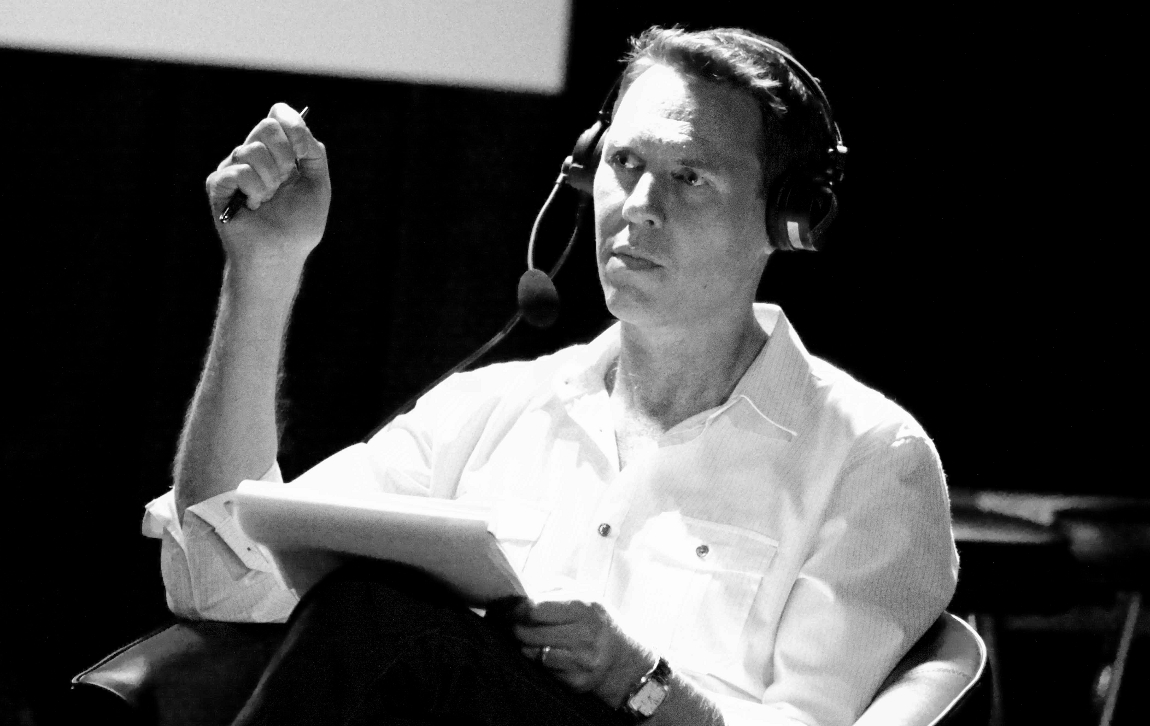
Sheridan Voysey is a writer, speaker and broadcaster on faith and spirituality. He is the author of five books, including his memoir Resurrection Year: Turning Broken Dreams into New Beginnings.
 I wrote Every Body Matters because I was struck by how often gluttony and sloth are addressed in the ancient devotional books, but rarely even mentioned from today’s pulpit. It’s also been a natural progression in my own walk with the Lord. As a young man, my metabolism and penchant for running hid a lot of food-based indulgence, but while it didn’t show physically, it was having spiritual consequences. The church should be in the forefront of addressing this issue, not struggling to catch up.